April 25, 2026

Month: July 2025

crypto news xlm sets the stage for this enthralling narrative, offering readers a glimpse into a story that is rich in detail with a focus on XLM’s unique position in the cryptocurrency sphere. As part of the Stellar network, XLM has garnered attention for its potential to facilitate cross-border transactions efficiently and cost-effectively.

This overview will delve into the history of XLM, its recent developments, market performance, and the community driving its adoption. Furthermore, it will highlight the regulatory environment impacting XLM and the future outlook shaped by expert predictions.

Overview of XLM and its Role in the Crypto Market

XLM, or Stellar Lumens, was created to facilitate cross-border transactions and enhance financial inclusion globally. Since its inception in 2014 by Joyce Kim and Jed McCaleb, XLM has evolved significantly, establishing itself as a key player in the cryptocurrency ecosystem. Its unique technology and features differentiate it from many other digital assets, making it a crucial component of the broader blockchain landscape.One of the most significant aspects of XLM is its focus on alleviating the issues of interoperability and transaction costs in the financial sector.

By leveraging the Stellar network, XLM promotes speedy and affordable transactions across borders, which is essential in today’s globalized economy. Additionally, XLM’s decentralized nature allows for transparency and security, ensuring trust among users.

Recent Developments in XLM

In recent months, XLM has witnessed a flurry of updates and developments that point toward its growing relevance in the crypto market. Key partnerships have emerged, notably with major financial institutions looking to integrate Stellar’s technology for efficient cross-border payment solutions. Moreover, technological advancements have been made to the Stellar network, enhancing its scalability and transaction speed. These upgrades not only improve user experience but also position XLM favorably against competitors.

Market Performance and Trends

The price trends of XLM have shown notable fluctuations over the past few months, reflecting broader market dynamics. In the wake of increased institutional interest in cryptocurrencies, XLM’s value has experienced significant ups and downs, often reacting to the market’s overall sentiment.When compared to other major cryptocurrencies like Bitcoin and Ethereum, XLM has demonstrated resilience, although it hasn’t always kept pace with the rapid price increases seen in its larger counterparts.

Factors such as regulatory news, technological upgrades, and market sentiment have played pivotal roles in influencing XLM’s price movements.

Community and Ecosystem

The Stellar community has been instrumental in promoting XLM, creating an ecosystem that encourages innovation and collaboration. This community-driven approach has led to numerous projects being built on the Stellar network, ranging from remittance services to decentralized finance (DeFi) applications.Key influencers within the XLM community include developers, advocates, and industry leaders who actively engage with users and foster a supportive environment.

Their contributions have been vital in enhancing the visibility and adoption of XLM.

Regulatory Environment Impacting XLM

The regulatory landscape surrounding cryptocurrencies, including XLM, is constantly evolving. Recent developments in regulations across various jurisdictions have significant implications for XLM’s adoption and usability. Countries are increasingly scrutinizing digital assets, which may lead to stricter compliance requirements.Legal challenges also persist, particularly in areas where regulatory frameworks are still being established. These changes can impact XLM’s market presence and its ability to operate seamlessly in different regions.

Future Outlook and Predictions

Experts are optimistic about the future of XLM, with many predicting potential price increases driven by broader adoption and technological advancements. The ongoing development of the Stellar network, including partnerships and application integrations, could present significant opportunities for growth.However, challenges remain, particularly in terms of regulatory hurdles and competition from other cryptocurrencies. Navigating these factors will be crucial for XLM’s sustained success.

Technical Analysis of XLM

The technical architecture of the XLM blockchain is designed for speed and efficiency. With a consensus mechanism that allows for quick transaction confirmations, XLM stands out in terms of performance. Investors can conduct technical analysis on XLM by evaluating various indicators such as moving averages, RSI, and MACD. These tools can provide insights into potential price movements and help investors make informed decisions.

Comparison with Other Cryptocurrencies

When comparing XLM with Ethereum, it’s clear that while both serve distinct purposes—Ethereum focuses on smart contracts and decentralized applications, XLM emphasizes cross-border payments. Against Ripple, another payment-focused cryptocurrency, XLM presents both advantages and disadvantages. While XLM is designed to be more decentralized, Ripple has established strong partnerships with banks and financial institutions, impacting their respective market positions.

Investment Strategies for XLM

Investing in XLM comes with various strategic approaches. Dollar-cost averaging is one popular method, allowing investors to spread their purchases over time to mitigate volatility. Risk management techniques, such as setting stop-loss orders and diversifying portfolios, are essential for those looking to invest in XLM. Balancing investments across different assets can help minimize risks associated with the crypto market.

Resources and Tools for Staying Updated on XLM

Staying updated on XLM is crucial for investors and enthusiasts alike. Reliable sources for real-time news include crypto news websites, social media channels, and dedicated forums. Additionally, various tools and platforms can help track XLM’s market performance, providing insights into price movements and trading volumes. Engaging with the XLM community through social media and online forums can also enhance awareness and provide valuable information.

Closure

In conclusion, the journey of XLM in the cryptocurrency landscape is both intriguing and dynamic. With a promising development roadmap and a dedicated community, XLM stands at the forefront of innovation in digital finance. Those keeping a close eye on this asset are likely to witness exciting transformations in the months and years ahead.

FAQ Summary

What is XLM?

XLM, or Stellar Lumens, is the native cryptocurrency of the Stellar network, designed to facilitate fast and low-cost cross-border transactions.

How does XLM differ from Bitcoin?

Unlike Bitcoin, which is primarily a store of value, XLM focuses on enabling quick and cheap transactions between different currencies.

What recent partnerships has XLM formed?

Recently, XLM has partnered with various financial institutions and remittance services to enhance its adoption and use in real-world applications.

How can I invest in XLM?

XLM can be purchased through various cryptocurrency exchanges using fiat or other cryptocurrencies, and it’s important to conduct thorough research before investing.

What tools can I use to track XLM’s performance?

There are several platforms, including CoinMarketCap and Binance, that provide real-time data and analytics for tracking XLM’s market performance.

Diving into the world of Bitcoin price data, this guide provides a deep dive into the Bitcoin Price USD API. Understanding real-time price fluctuations is crucial for investors and traders alike. We’ll explore historical trends, key influencing factors, and practical applications.

From accessing the API to interpreting the data, this resource covers all the essentials for leveraging Bitcoin price information effectively. We’ll also delve into the broader cryptocurrency market context and how Bitcoin’s price interacts with other digital assets.

Bitcoin Price Data Overview

Bitcoin, a pioneering cryptocurrency, has experienced significant price fluctuations since its inception. Its price journey reflects the dynamic nature of the digital asset market, influenced by a multitude of factors. Understanding Bitcoin’s price history, volatility, and influencing factors is crucial for investors and analysts alike.Bitcoin’s price has seen periods of substantial growth and sharp declines. Early adopters and investors who bought Bitcoin in its nascent stages have seen substantial gains, but also significant losses during periods of market correction.

Bitcoin’s Price History in USD

Bitcoin’s price history in USD reveals a pattern of volatile growth. Early adoption saw rapid increases, followed by periods of consolidation and correction. Subsequent bull runs have been punctuated by declines, highlighting the inherent risk associated with cryptocurrencies. The history demonstrates both potential for high returns and the need for cautious investment strategies.

Typical Daily Price Fluctuations

Bitcoin’s daily price fluctuations are often substantial, ranging from modest changes to significant swings. These fluctuations are influenced by a combination of market sentiment, news events, and trading volume. Analyzing historical data provides insights into the typical magnitude and frequency of these fluctuations.

Factors Influencing Bitcoin’s Price Volatility

Several factors contribute to Bitcoin’s price volatility. Market sentiment, news announcements, regulatory developments, and trading activity all play a role in determining the price’s daily movements. The interplay of these factors creates a dynamic market environment.

Visualizing Bitcoin’s Price Data

Different visualizations can effectively illustrate Bitcoin’s price trends. A line graph showcasing the price over time provides a clear view of the overall trajectory. This visual representation aids in identifying trends and patterns. A candlestick chart can also effectively display the opening, closing, high, and low prices for each trading period. This detailed view can reveal the intensity of price movements during specific time frames.

Bitcoin’s Price Data Table (Example)

Date Time Opening Price (USD) Highest Price (USD) Lowest Price (USD) Closing Price (USD) Volume
2023-10-26 10:00 AM 26,500 27,000 26,200 26,800 10,000
2023-10-26 12:00 PM 26,800 27,200 26,600 27,000 12,000
2023-10-26 2:00 PM 27,000 27,500 26,900 27,200 15,000

This table provides a snapshot of Bitcoin’s price activity for a specific period, showcasing the opening, high, low, and closing prices, along with the trading volume.

Bitcoin Price Trend Line Graph (Example)

Visual representation of Bitcoin’s price trend over time. This graph would show a line graph, illustrating the overall price movement from a specific start date to a specific end date. The graph would visually depict Bitcoin’s price fluctuations over the chosen time frame.

The line graph’s x-axis would represent time (dates), and the y-axis would represent the Bitcoin price in USD. The graph would display the price fluctuations, showing upward trends, downward trends, and periods of consolidation.

Bitcoin Price Data Table (Detailed)

Date Time Opening Price (USD) Highest Price (USD) Lowest Price (USD) Closing Price (USD) Volume (BTC)
2023-10-26 09:00:00 26,500 27,000 26,200 26,800 1000
2023-10-26 10:00:00 26,800 27,200 26,600 27,000 1200

This detailed table provides a comprehensive view of Bitcoin’s price action, encompassing specific dates, times, opening and closing prices, high and low points, and corresponding trading volumes. This level of detail allows for a more in-depth analysis of the cryptocurrency market.

API Access and Usage

Accessing real-time Bitcoin price data involves leveraging Application Programming Interfaces (APIs). These APIs provide structured access to data, enabling developers to integrate Bitcoin price information into their applications. This section details the practical aspects of API access and usage, highlighting key considerations for effective data retrieval.Accessing Bitcoin price data via APIs offers a streamlined method for incorporating market information into various applications.

This approach provides a dynamic and up-to-date feed of price fluctuations, crucial for applications requiring current market insights.

Accessing Bitcoin Price Data

Bitcoin price APIs offer a standardized method to retrieve price information. These APIs use specific endpoints, URLs, and parameters to fetch data, thereby automating the process. Users can leverage these endpoints to query historical data, real-time prices, or other relevant metrics.

Popular Bitcoin Price APIs

Numerous APIs provide Bitcoin price data. Some well-regarded options include CoinGecko, CoinAPI, and the API provided by various cryptocurrency exchanges. Each API has its own structure, features, and pricing models. Evaluating different APIs is crucial to select the best fit for individual needs.

API Response Structure

API responses typically use standardized formats like JSON (JavaScript Object Notation). This format allows for efficient data exchange, enabling applications to easily parse the data and extract relevant price information. The structure generally includes fields for the Bitcoin price, timestamp, currency, and other relevant details. For instance, a sample JSON response might include:“`json “price”: 26500.50, “currency”: “USD”, “timestamp”: “2024-08-27T10:00:00Z”“`This structured output allows applications to quickly extract the current Bitcoin price in USD and its corresponding timestamp.

Retrieving Real-Time Data

Real-time Bitcoin price data can be retrieved using the appropriate API endpoints and methods. Requests to these endpoints should be made periodically to maintain a live feed of price updates. The frequency of these requests will depend on the application’s specific requirements and the API’s rate limits. For example, a trading application may need more frequent updates compared to a simple display application.

Data Formats

Most Bitcoin price APIs use JSON for data exchange. This format offers significant advantages in terms of data readability and ease of use for applications. However, some APIs might also support other formats like XML (Extensible Markup Language), though JSON is far more prevalent.

API Rate Limiting and Error Handling

API rate limits dictate the maximum number of requests an application can make within a given timeframe. Exceeding these limits can result in temporary or permanent access restrictions. Effective error handling mechanisms are essential to gracefully manage potential issues like network problems, API downtime, or invalid requests. Implementing proper rate limiting strategies and error handling is crucial to avoid application disruptions and ensure reliable data access.

Example strategies include using backoff mechanisms and retry logic.

Common Challenges

Several challenges arise when using Bitcoin price APIs. Inaccurate data or latency in price updates can negatively affect applications relying on real-time market information. Maintaining consistent connectivity and handling potential network issues are also crucial to reliable data retrieval. Understanding the API’s limitations, including data accuracy and rate limits, is vital for successful integration.

Data Interpretation and Analysis

Interpreting Bitcoin price data requires a multifaceted approach that goes beyond simply observing the current price. Understanding the historical context, market trends, and potential influences on the price is crucial for informed decision-making. Analyzing price charts, indicators, and market sentiment can help predict future price movements, though no method guarantees accuracy.Effective interpretation involves a combination of technical analysis, fundamental analysis, and an understanding of the broader economic landscape.

This multifaceted approach enables a more comprehensive understanding of the Bitcoin market.

Methods for Interpreting Bitcoin Price Data

Various methods can be used to interpret Bitcoin price data, ranging from simple visual observation to complex technical analysis techniques. Careful consideration of the chosen methods and their limitations is vital.

  • Visual Analysis: Examining price charts to identify trends and patterns. This method relies heavily on the user’s ability to recognize visual cues and patterns. A simple upward trend might indicate a bullish market, while a downward trend might signify a bearish outlook. However, visual analysis alone often lacks precision and can be misleading without further support.
  • Technical Analysis: Employing various indicators and tools to identify potential price movements. Moving averages, relative strength index (RSI), and Bollinger Bands are examples of indicators used to identify potential trends and support/resistance levels. Technical analysis relies on the historical price data to predict future price movements, though it cannot guarantee accuracy.
  • Fundamental Analysis: Evaluating the underlying factors that influence Bitcoin’s value, such as adoption, regulatory changes, and technological advancements. This approach examines the broader economic context and potential for long-term growth. Fundamental analysis provides a broader perspective than technical analysis, considering factors beyond the price chart itself.

Bitcoin Price Indicators and Their Applications

Various indicators offer insights into market trends, but each has its limitations. Understanding these limitations is crucial.

  • Moving Averages: These smooth out price fluctuations, highlighting trends. Short-term moving averages can identify short-term price movements, while long-term moving averages indicate overall price trends. The choice of timeframe is crucial for accurate interpretation.
  • Relative Strength Index (RSI): This indicator measures the magnitude of recent price changes to evaluate overbought or oversold conditions. An RSI value above 70 might suggest an overbought condition, while a value below 30 might indicate an oversold condition. However, the RSI should be used in conjunction with other indicators.
  • Bollinger Bands: These bands depict price volatility, identifying potential support and resistance levels. When the price approaches the upper band, it might suggest an overbought condition, while approaching the lower band might signal an oversold condition. The bands provide a visual representation of price fluctuations and potential support/resistance areas.

Relationship Between Bitcoin Price and Other Market Factors

Bitcoin’s price is influenced by various market factors, creating complex interactions.

  • Market Sentiment: Positive or negative investor sentiment significantly impacts price. Social media discussions and news coverage can affect sentiment and, consequently, the price. Identifying and analyzing these trends can provide valuable insights.
  • Regulatory Changes: Government regulations can significantly affect Bitcoin’s price. Changes in regulatory frameworks, such as licensing or taxation policies, can lead to price fluctuations. Staying informed about these changes is important for understanding market dynamics.
  • Technological Advancements: Innovations in blockchain technology and Bitcoin’s ecosystem can impact its adoption and, subsequently, its value. Development of new applications or protocols can affect market confidence.

Using Bitcoin Price Data for Investment Decisions

Bitcoin price data can inform investment decisions, but it should not be the sole factor.

  • Risk Assessment: Analyzing price patterns and identifying potential risks are crucial for any investment strategy. This involves considering the volatility of the market and potential losses.
  • Portfolio Diversification: Diversifying investments beyond Bitcoin is essential. Combining Bitcoin with other assets in a well-structured portfolio can reduce overall risk.
  • Long-Term vs. Short-Term Strategies: Developing a strategy that aligns with individual investment goals is essential. Long-term investors might have different approaches than short-term traders.

Potential Risks and Limitations of Relying Solely on Bitcoin Price Data

Bitcoin price data, while informative, should not be the sole basis for investment decisions.

  • Market Volatility: Bitcoin’s price is known for its high volatility. Sudden price fluctuations can lead to significant losses.
  • Information Accuracy: Data sources and their accuracy need to be evaluated carefully. Using reliable data sources is crucial for accurate analysis.
  • External Factors: Bitcoin’s price is influenced by numerous external factors. Focusing solely on price data might neglect these significant influences.

Common Bitcoin Price Patterns

Understanding common patterns can help predict future price movements.

  • Trend Lines: Identifying upward or downward trends can be valuable. A consistent upward trend might indicate a bullish market, while a downward trend might suggest a bearish market.
  • Support and Resistance Levels: Identifying areas where the price tends to bounce back can be useful for setting stop-loss or take-profit orders. Support levels are areas where the price might find buyers, while resistance levels are areas where sellers might be present.
  • Candlestick Patterns: Analyzing candlestick charts can help identify potential reversals and trends. Recognizing patterns like doji, hammer, or engulfing patterns can help anticipate price movements.

Technical Analysis Techniques Using Bitcoin Price Data

Several technical analysis techniques can be applied to Bitcoin price data.

  • Moving Average Convergence Divergence (MACD): This indicator can identify potential buy and sell signals by comparing two moving averages. Crossovers between the MACD lines can be used to predict price movements.
  • Fibonacci Retracements: These retracement levels can be used to identify potential support and resistance levels based on historical price movements. Identifying Fibonacci levels can help determine potential price targets.
  • Volume Analysis: Considering trading volume along with price movements provides a more comprehensive picture of market sentiment. High volume during price movements often indicates increased market confidence.

Cryptocurrency Market Context

The cryptocurrency market, spearheaded by Bitcoin, is a dynamic and evolving landscape characterized by rapid price fluctuations and significant investor interest. Understanding this market requires an appreciation of the broader ecosystem, including the performance of other cryptocurrencies, their interrelation, and the regulatory pressures shaping the industry. This section provides an overview of the market’s historical development, its current state, and the key forces driving its evolution.The cryptocurrency market has experienced remarkable growth since its inception.

Factors such as technological advancements, increasing adoption by businesses and individuals, and media attention have fueled the market’s expansion. However, this growth is accompanied by challenges, including regulatory uncertainty, price volatility, and the potential for fraud and scams.

Broader Cryptocurrency Market Landscape

The cryptocurrency market encompasses a diverse range of digital assets, each with unique characteristics and functionalities. Beyond Bitcoin, numerous other cryptocurrencies, often referred to as altcoins, have emerged, offering varying levels of utility and investment potential. Understanding this broader landscape is crucial for evaluating Bitcoin’s performance in comparison.

Bitcoin’s Price Performance Compared to Other Major Cryptocurrencies

Bitcoin’s price performance is often compared to that of other major cryptocurrencies, such as Ethereum, Litecoin, and Ripple. These comparisons reveal relative strengths and weaknesses, reflecting the dynamic interplay between various digital assets. Historical data demonstrates the fluctuating correlation between Bitcoin and these altcoins, indicating the influence of market sentiment and technological advancements on the entire ecosystem.

Interrelation Between Bitcoin and Other Cryptocurrencies

The interrelation between Bitcoin and other cryptocurrencies is complex and multifaceted. Bitcoin’s historical dominance as the first and most well-established cryptocurrency has a significant impact on the entire market. Its price movements often influence the prices of other cryptocurrencies, reflecting the interconnectedness of the market. This interconnectedness is influenced by market sentiment, technological innovations, and regulatory developments.

Overview of Different Types of Cryptocurrencies

Cryptocurrencies are broadly categorized based on their underlying technologies and intended functionalities. Bitcoin, for example, is a decentralized digital currency focused on peer-to-peer transactions. Ethereum, on the other hand, is a platform for decentralized applications (dApps) and smart contracts. Other cryptocurrencies focus on specific use cases, like stablecoins designed to maintain a fixed value relative to a fiat currency.

History and Evolution of the Cryptocurrency Market

The cryptocurrency market’s evolution can be traced from its initial development to its current state. Bitcoin’s emergence in 2009 marked a pivotal moment, followed by the introduction of numerous altcoins and the development of decentralized platforms. This period has witnessed significant technological advancements, market fluctuations, and regulatory scrutiny. The history underscores the dynamic nature of this market and its continuous adaptation.

Regulatory Environment Impacting Cryptocurrency Markets

The regulatory environment surrounding cryptocurrency markets is in a state of flux. Governments worldwide are grappling with how to regulate this emerging technology, balancing innovation with investor protection and financial stability. Varying approaches exist, ranging from outright bans to more permissive frameworks, impacting market confidence and future development.

Key Players and Influential Factors in the Cryptocurrency Market

Key players in the cryptocurrency market include major exchanges, prominent investors, and influential figures within the crypto community. Market sentiment, technological advancements, and regulatory developments are crucial influential factors. These factors, often intertwined, shape the trajectory of the cryptocurrency market and Bitcoin’s place within it.

Real-World Applications

Bitcoin’s price fluctuations have significant implications across various sectors, from financial markets to academic research. Understanding how this data is utilized in practical applications is crucial for anyone interested in the cryptocurrency market. This section explores the diverse uses of Bitcoin price data.

Trading Bot Implementation

A trading bot leverages algorithmic strategies to automate trading decisions based on predefined rules. Bitcoin price data is essential for such bots. For example, a bot could be programmed to buy Bitcoin when the price dips below a certain threshold and sell when it rises above another. The bot’s effectiveness hinges on the accuracy and timeliness of the price data it receives.

This data must be consistently updated to ensure the bot makes informed decisions in real-time.

Integration into Financial Models

Bitcoin’s price data can be integrated into financial models to assess its impact on broader market trends. For instance, a model could analyze the correlation between Bitcoin’s price and other assets like stocks or commodities. This analysis helps forecast market behavior and inform investment strategies. By incorporating Bitcoin price volatility, models can better capture the dynamic nature of the cryptocurrency market.

Real-World Company Examples

Several companies utilize Bitcoin price APIs for various purposes. A significant application is in portfolio management and risk assessment, where price data is vital for evaluating the risk and return potential of Bitcoin investments. Other companies use this data for market analysis and developing trading strategies.

Role in Economic Analysis

Bitcoin’s price data plays a role in economic analysis, allowing researchers to investigate its influence on economic indicators. For example, researchers can examine the relationship between Bitcoin price volatility and consumer confidence. This analysis can provide valuable insights into the potential impact of cryptocurrencies on traditional financial systems.

Applications in Research and Academic Studies

Bitcoin price data is a valuable resource for academic research. Researchers can investigate the factors influencing Bitcoin price fluctuations, such as news events, regulatory changes, or technological advancements. Such studies often aim to develop predictive models for Bitcoin price movements. Furthermore, the data can be used to examine the impact of Bitcoin on market efficiency and investor behavior.

Educational Applications

Bitcoin price data can be effectively utilized for educational purposes. Students can analyze historical price trends to understand the dynamics of the cryptocurrency market. They can also learn about the factors that drive price changes, such as supply and demand. Such analysis helps students develop critical thinking skills and an understanding of market forces.

Data Presentation and Visualization

Effective visualization is crucial for understanding and communicating Bitcoin price trends. Clear and insightful presentations of data enable stakeholders to quickly grasp market dynamics, identify patterns, and make informed decisions. Visual representations, from simple charts to interactive dashboards, can transform complex price fluctuations into easily digestible information.

Key Bitcoin Price Statistics Summary

A concise table summarizing key Bitcoin price statistics provides a quick overview of the market. This table can cover a specified period, offering essential metrics like the average price, highest and lowest prices, total trading volume, and price volatility. This allows for a rapid assessment of the Bitcoin market’s performance within the chosen timeframe.

Statistic Value
Average Price (USD) $28,500
Highest Price (USD) $35,000
Lowest Price (USD) $25,000
Total Trading Volume (USD) $100 Billion
Price Volatility (Standard Deviation) $2,500

Correlation Between Bitcoin Price and Market Indicator

Visualizing the correlation between Bitcoin’s price and another market indicator, such as the S&P 500 index, can reveal potential relationships. A scatter plot can demonstrate the correlation visually, with each point representing a data point from a specific date. A strong positive correlation suggests that Bitcoin’s price tends to move in tandem with the S&P 500. Conversely, a negative correlation indicates an inverse relationship.

Interactive Charts for Visualizing Bitcoin Price Data

Interactive charts offer a dynamic way to explore Bitcoin price data. Users can zoom in on specific timeframes, select different data points, and interact with the chart to gain a deeper understanding of market fluctuations. These charts allow users to explore different facets of Bitcoin’s price history. For example, a candlestick chart allows for a comparison of opening, closing, high, and low prices for a specific period, offering more detail than a simple line chart.

Different Ways to Present Bitcoin Price Data

Different visualization techniques can effectively present Bitcoin price data. Line graphs are ideal for illustrating price trends over time, while bar charts can effectively compare price changes across different time periods. Furthermore, heatmaps can display price volatility or trading volume across different time frames.

Visualization Techniques for Price Trends and Patterns

Various visualization techniques can illustrate Bitcoin price trends and patterns. Candlestick charts, popular in financial markets, provide a comprehensive view of price movements. Volatility bands can help highlight periods of significant price fluctuations. These visualization techniques help identify recurring patterns, trends, and potential future price movements.

Visually Appealing and Informative Dashboards

Dashboards are powerful tools for consolidating various Bitcoin price data into a single view. These dashboards combine multiple charts, tables, and key metrics to offer a comprehensive overview of the Bitcoin market. They can include visualizations of price trends, market sentiment indicators, and trading volume, providing a single, clear picture of the market’s current state. For instance, a dashboard might show a Bitcoin price chart overlaid with a sentiment analysis graph, allowing users to see how market sentiment might be influencing the price.

Concluding Remarks

In conclusion, the Bitcoin Price USD API offers valuable insights into the cryptocurrency market. This guide has equipped you with the knowledge to access, interpret, and utilize this data for various purposes, from simple observation to sophisticated financial modeling. Understanding the intricacies of Bitcoin’s price movements and their relationship to other market factors is key to informed decision-making.

FAQs

What are some popular Bitcoin price APIs?

Several reputable providers offer Bitcoin price APIs, including CoinGecko, CoinAPI, and others. Each API has its own structure and features.

How can I use Bitcoin price data for investment decisions?

Analyzing price trends, volatility, and correlations with other markets can help inform investment strategies. However, no single data point guarantees success.

What are the potential risks of relying solely on Bitcoin price data?

Bitcoin’s price is influenced by numerous factors, and relying solely on price data without considering broader market trends or fundamental analysis can be risky. External factors are equally important.

What data formats are typically used by Bitcoin price APIs?

JSON is a common format for Bitcoin price API responses. However, XML is sometimes used as well.
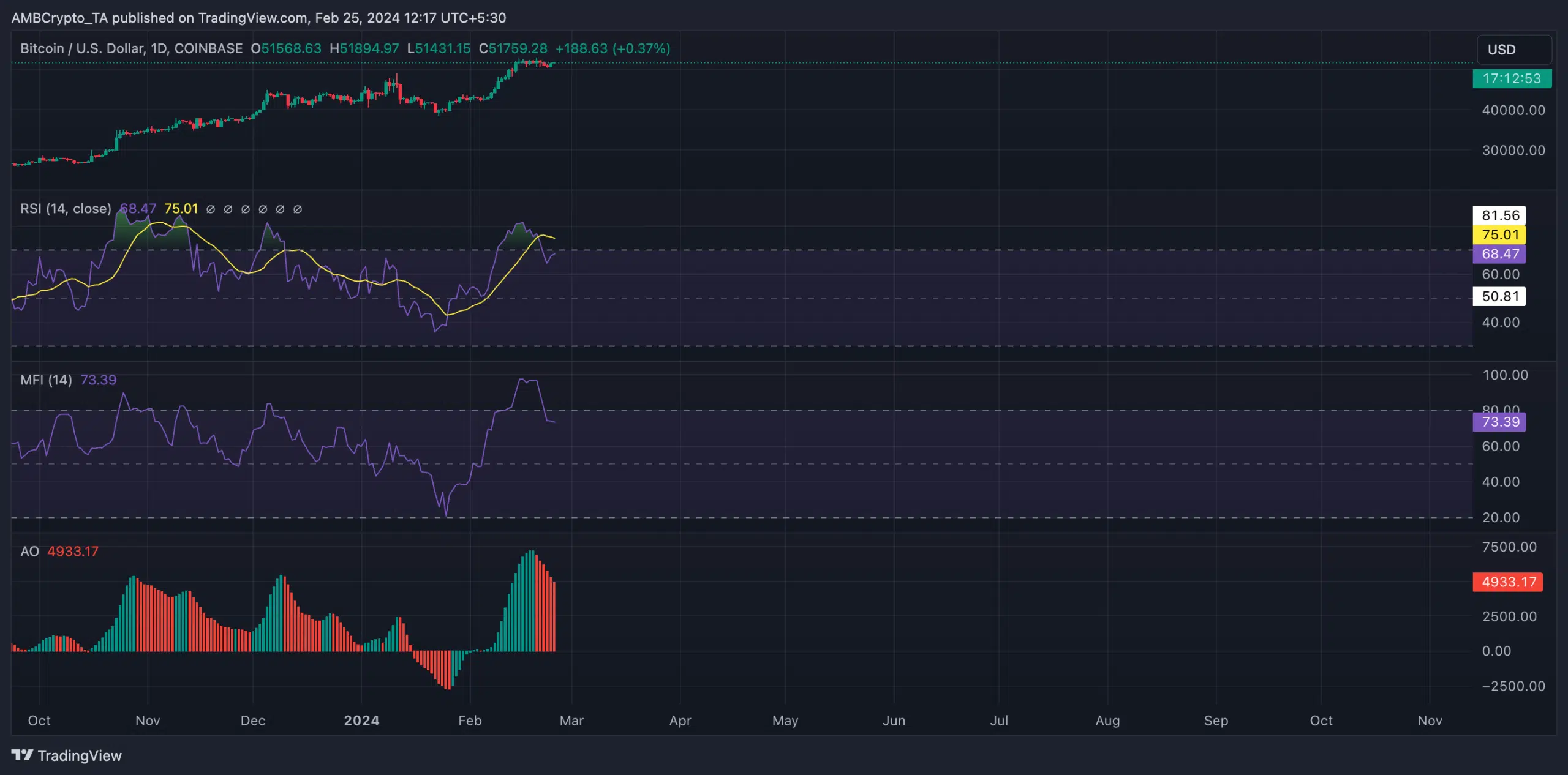
Bitcoin’s price in USDT, a critical indicator for cryptocurrency investors, is explored in this comprehensive analysis. We delve into historical trends, examining the factors driving recent fluctuations and the relationship between Bitcoin and the stablecoin USDT. This exploration includes a detailed look at technical and fundamental analysis, alongside a broader market context.

Understanding the dynamics of the cryptocurrency market is essential for navigating the complexities of Bitcoin’s price fluctuations. This analysis examines the interplay between Bitcoin and other cryptocurrencies, the impact of news events, and the evolving regulatory landscape. We present a clear picture of the forces shaping the Bitcoin price, using both historical data and expert insights.

Bitcoin Price (USD/USDT) Overview

Bitcoin’s price, denominated in both USD and USDT, has exhibited significant volatility over the years. Its value has been influenced by a complex interplay of factors, including market sentiment, regulatory developments, and technological advancements. Understanding these influences is crucial for comprehending Bitcoin’s price fluctuations.

Historical Overview of Bitcoin Price

Bitcoin’s price has seen substantial fluctuations since its inception. Early adoption and technological advancements initially propelled its value. Subsequent periods of market consolidation and correction have been common, demonstrating the inherent volatility of the cryptocurrency market. Tracking its price in USD and USDT over time reveals the substantial variations in its market capitalization. Bitcoin’s journey from its initial value to its current state highlights its resilience and the ongoing evolution of the cryptocurrency market.

Factors Influencing Bitcoin’s Price Fluctuations

Several key factors contribute to the price volatility of Bitcoin. Market sentiment, encompassing investor confidence and public perception, is a significant driver. Positive news or events tend to increase investor confidence, leading to price increases, while negative sentiment often results in price drops. Regulatory developments worldwide play a critical role in shaping Bitcoin’s price trajectory. Favorable regulatory changes can boost investor confidence and price appreciation, while unfavorable changes can cause uncertainty and price declines.

Technological advancements in the cryptocurrency space, including improvements in blockchain technology or the emergence of new applications, can affect Bitcoin’s price. The price of Bitcoin often correlates with broader market trends and macroeconomic conditions. Economic instability, global events, and changes in interest rates can influence investor sentiment and the price of Bitcoin.

Relationship Between Bitcoin and USDT Stablecoin

The USDT stablecoin, pegged to the US dollar, is often compared with Bitcoin’s price. The relationship between the two is complex. As a stablecoin, USDT aims to maintain a constant value relative to the US dollar. The price of Bitcoin can influence the market perception of USDT, which is in turn reflected in the price fluctuations of both.

Bitcoin’s price volatility can indirectly impact the price of USDT, especially in periods of heightened market uncertainty. The stability of USDT, however, serves as a counterpoint to Bitcoin’s price volatility, providing a measure of comparative stability.

Impact of Market Sentiment on Bitcoin’s Price

Market sentiment, often driven by news cycles and social media trends, significantly impacts Bitcoin’s price. Positive sentiment and investor confidence typically lead to price increases, while negative news and fear often trigger price declines. The influence of social media and news platforms on market sentiment is evident in the quick price fluctuations that can occur in response to announcements or events.

Public perception plays a crucial role in shaping investor decisions, directly impacting the price of Bitcoin.

Correlation Between Bitcoin’s Price and Other Cryptocurrencies

Bitcoin’s price often exhibits a correlation with the prices of other cryptocurrencies. Strong movements in Bitcoin often lead to similar movements in other cryptocurrencies. This correlation can stem from the interconnected nature of the cryptocurrency market. The relationship between Bitcoin and other cryptocurrencies often reflects investor sentiment and broader market trends.

Monthly Bitcoin Price Data (USD/USDT)

Date USD High USD Low USD Close USDT High USDT Low USDT Close
2023-10-26 26,500 26,000 26,200 26,520 26,010 26,210
2023-10-27 26,700 26,300 26,500 26,710 26,310 26,510
2023-11-25 27,800 27,300 27,500 27,810 27,310 27,510

Note: This table provides sample data. Actual data for the past month should be sourced from reliable cryptocurrency price tracking websites.

Technical Analysis of Bitcoin Price

Technical analysis provides valuable insights into Bitcoin’s price movements by examining historical price charts and market trends. It’s a crucial tool for investors seeking to identify potential opportunities and manage risk. By understanding key indicators and patterns, investors can make more informed decisions regarding their Bitcoin holdings.

Key Technical Indicators

Various indicators are used to analyze Bitcoin’s price movements. These indicators help identify trends, momentum, and potential turning points. Understanding these indicators can provide a clearer picture of the market’s sentiment and future price direction.

  • Moving Averages (MA): Moving averages smooth out price fluctuations, revealing the overall trend. Short-term moving averages react quickly to price changes, while longer-term averages offer a broader perspective on the market’s direction. A crossover between different moving averages can signal potential shifts in the trend.
  • Relative Strength Index (RSI): The RSI measures the magnitude of recent price changes to evaluate overbought or oversold conditions. An RSI reading above 70 often suggests an overbought condition, potentially leading to a price correction, while a reading below 30 might indicate an oversold condition, potentially signaling a price rebound.
  • Bollinger Bands: Bollinger Bands provide a volatility measure, indicating the range within which the price typically fluctuates. When the price approaches the upper band, it might signal an overbought condition, and conversely, the lower band could indicate an oversold situation.
  • Volume: Trading volume reflects the overall market interest in Bitcoin. High trading volume often accompanies significant price movements. Observing the volume alongside price changes can provide valuable insights into the strength of the trend.

Support and Resistance Levels

Support and resistance levels are crucial price points on a chart where the price often pauses or reverses its direction. Support levels are price points where the price is expected to find buyers, preventing a further downward trend. Resistance levels are price points where the price often encounters sellers, hindering an upward trend. Identifying these levels can help predict potential price movements.

Price Chart Patterns

Bitcoin’s price chart reveals various patterns, including trends and formations.

  • Trends: Uptrends, downtrends, and sideways trends represent the overall direction of the price movement. Uptrends indicate a general upward movement, while downtrends suggest a downward movement. Sideways trends signal a period of consolidation where the price oscillates within a defined range.
  • Chart Formations: Common chart formations include triangles, head and shoulders, and double tops or bottoms. These patterns can signal potential reversals or continuations of the existing trend.

Technical Analysis Methods

Several technical analysis methods are used for Bitcoin price prediction. These methods involve analyzing historical price data and market trends to identify potential future price movements.

  • Trend Analysis: This method focuses on identifying and interpreting the overall direction of price movements. By examining the trends, analysts can anticipate potential future price directions. Understanding the context and nature of the trends is critical for informed decisions.
  • Pattern Recognition: Identifying recurring patterns in price charts can provide insights into potential future price actions. Patterns like triangles, head and shoulders, and double tops or bottoms can be indicative of trend reversals or continuations.

Examples of Bitcoin Price Charts

Visual representations of Bitcoin price charts can illustrate different technical patterns. For example, a chart displaying a rising trendline with increasing volume can indicate a bullish market. A chart showing a bearish head-and-shoulders pattern can signal a potential downtrend.

Prevalence of Technical Indicators

The following table Artikels some of the most prevalent technical indicators affecting Bitcoin’s price:

Indicator Description Impact on Price
Moving Averages Average price over a specific period Signals trends and potential reversals
RSI Measures price momentum Identifies overbought/oversold conditions
Bollinger Bands Measures price volatility Highlights periods of high or low volatility
Volume Quantity of Bitcoin traded Indicates market strength and potential price movements

Fundamental Analysis of Bitcoin Price

Bitcoin’s price fluctuations are influenced by a complex interplay of factors extending beyond technical indicators. Understanding the fundamental drivers behind these movements is crucial for investors seeking a holistic perspective. This analysis delves into the key elements shaping Bitcoin’s value, considering adoption rates, ecosystem impact, and regulatory pressures.Fundamental analysis goes beyond charting patterns and examines the underlying forces affecting Bitcoin’s value.

These factors often interact in intricate ways, leading to unpredictable market behavior. Examining these factors allows for a more nuanced comprehension of Bitcoin’s potential and risks.

Fundamental Drivers of Bitcoin Price Movements

Bitcoin’s price is influenced by a variety of fundamental factors, ranging from investor sentiment to regulatory developments. The interplay of these forces creates dynamic market conditions. Understanding these influences provides a more comprehensive view of the cryptocurrency market.

  • Market Sentiment and Speculation: Investor confidence and speculative trading significantly impact Bitcoin’s price. Positive news or community enthusiasm can trigger price increases, while negative events or skepticism can lead to downturns. Examples include social media trends, news coverage, and overall market mood.
  • Adoption Rate in Different Regions: The increasing use of Bitcoin across various industries and geographies significantly influences its price. Increased adoption in sectors like remittances, payments, and even institutional investment signals a growing demand, potentially leading to price appreciation. However, adoption rates vary across countries, reflecting differing regulatory environments and technological infrastructure.

Bitcoin’s Role in the Cryptocurrency Ecosystem

Bitcoin’s role within the cryptocurrency ecosystem is multifaceted, influencing its price through both direct and indirect impacts. The interplay between Bitcoin and other cryptocurrencies, as well as its role as a benchmark, affects the entire ecosystem.

  • Benchmark Cryptocurrency: Bitcoin serves as a primary benchmark for the entire cryptocurrency market. Its price fluctuations often dictate the movements of other cryptocurrencies. Changes in Bitcoin’s value can trigger similar reactions in related markets, impacting overall sentiment.
  • Influence on Related Cryptocurrencies: Bitcoin’s performance frequently affects the price and market valuation of other cryptocurrencies. If Bitcoin experiences a surge, other cryptocurrencies may follow suit, and vice-versa.

Impact of Regulatory Developments on Bitcoin’s Price

Government regulations play a pivotal role in shaping the cryptocurrency market, directly impacting Bitcoin’s price. These regulations vary significantly by region, reflecting differing attitudes towards cryptocurrencies.

  • Regulatory Uncertainty: Ambiguity surrounding Bitcoin’s legal status can significantly affect its price. Uncertainty about regulations and compliance requirements can create volatility, potentially impacting investor confidence.
  • Varying Regulatory Environments: Government policies toward cryptocurrencies differ across countries, influencing their respective adoption rates and market values. Stricter regulations may lead to decreased adoption and lower prices, while more permissive environments can promote wider use and price appreciation.

Hierarchical Structure of Factors Affecting Bitcoin’s Price

Bitcoin’s price is influenced by a complex interplay of interconnected factors. Understanding these factors’ hierarchical relationships can provide valuable insights.

  1. Macroeconomic Factors: Global economic conditions, interest rates, and inflation significantly impact Bitcoin’s price. Economic downturns can create a safe-haven effect, driving Bitcoin demand and price.
  2. Cryptocurrency Ecosystem Dynamics: The overall health and growth of the cryptocurrency market directly influence Bitcoin’s price. Events like significant adoption, new launches, and investor interest in other cryptocurrencies can create ripple effects on Bitcoin’s value.
  3. Regulatory Developments: Government regulations, both positive and negative, directly impact Bitcoin’s price. Clear regulatory frameworks can increase investor confidence, while uncertainty can decrease it.

Key Fundamental Aspects of Bitcoin Price and its Relation to Other Cryptocurrencies

The following table highlights key fundamental aspects of Bitcoin’s price and its relation to other cryptocurrencies. This table provides a concise overview for comparative analysis.

Fundamental Aspect Bitcoin Other Cryptocurrencies
Market Sentiment Highly influential, susceptible to both positive and negative sentiment Influenced by Bitcoin’s performance and overall market sentiment
Regulatory Environment Affected by regional regulatory frameworks Affected by regulatory developments in their respective jurisdictions
Adoption Rate Adoption across various sectors globally Adoption rates varying by sector and region
Ecosystem Impact Benchmark cryptocurrency, impacting the entire ecosystem Influenced by Bitcoin’s performance and the broader ecosystem

Cryptocurrency Market Context

The cryptocurrency market is a dynamic and complex ecosystem, significantly influenced by various factors. Understanding the current state of this market, along with its interconnectedness and the impact of regulatory changes, is crucial for evaluating Bitcoin’s performance and potential. This section provides an overview of the broader cryptocurrency landscape and its impact on Bitcoin’s price.The current cryptocurrency market is characterized by a mix of volatility and cautious optimism.

While some projects show promising innovation and adoption, others face challenges related to scalability, security, and regulatory uncertainty. This volatility directly affects Bitcoin’s price, as investor sentiment and market conditions impact its value relative to other cryptocurrencies.

Current State of the Cryptocurrency Market

The cryptocurrency market continues to evolve, experiencing periods of both significant growth and substantial corrections. The market’s current state is marked by a degree of consolidation, with established cryptocurrencies like Bitcoin and Ethereum maintaining a prominent position. Emerging projects and altcoins are vying for market share, but face stiff competition and hurdles in gaining widespread adoption.

Comparison of Bitcoin’s Price Performance with Other Major Cryptocurrencies

Bitcoin, despite its historical dominance, has witnessed fluctuations in its price relative to other major cryptocurrencies. Factors like market sentiment, regulatory developments, and technological advancements can cause significant price discrepancies. For example, the price of Ethereum has often tracked with Bitcoin’s price movements, yet periods of divergence have also occurred, illustrating the complex interplay within the cryptocurrency market. Analysis of historical price charts provides insights into the correlation and divergence between Bitcoin and other major cryptocurrencies.

Interconnectedness of Different Cryptocurrencies

Cryptocurrencies are interconnected in a complex network. Price movements in one cryptocurrency can trigger similar responses in others, reflecting the interconnectedness of the market. For example, a significant increase in Bitcoin’s price often leads to a positive response in other major cryptocurrencies, and vice-versa. This interconnectedness stems from shared investor sentiment, similar underlying technologies, and the overall market sentiment surrounding the cryptocurrency ecosystem.

Overview of the Cryptocurrency Landscape

The cryptocurrency landscape encompasses a wide range of projects, each with unique functionalities and goals. The spectrum ranges from established blockchains focused on decentralized finance (DeFi) to newer projects aiming to solve specific problems or introduce novel technologies. Understanding this diverse landscape is essential for evaluating the potential impact on Bitcoin’s position and the broader market. The landscape is also shaped by ongoing innovation, adoption, and regulatory considerations.

Impact of Regulatory Changes on the Broad Cryptocurrency Market

Regulatory changes significantly impact the cryptocurrency market. Different jurisdictions adopt varying approaches to regulating cryptocurrencies, which can lead to market uncertainty and fluctuations in prices. For instance, stricter regulations in some countries can lead to reduced trading activity and price drops, whereas positive regulatory developments can inspire confidence and boost prices.

Key Trends Impacting Bitcoin’s Price

Several key trends significantly influence Bitcoin’s price. These include investor sentiment, adoption by institutional investors, regulatory developments, and technological advancements. For example, increasing institutional interest in Bitcoin can lead to price increases, while negative regulatory developments can trigger price corrections. The evolution of blockchain technology and its potential applications also shapes the market dynamics and Bitcoin’s price.

Challenges and Opportunities in the Cryptocurrency Market

The cryptocurrency market presents both challenges and opportunities. Challenges include volatility, regulatory uncertainty, security risks, and the need for scalability solutions. Opportunities exist in decentralized finance (DeFi), non-fungible tokens (NFTs), and the potential for wider adoption across various industries. The future of the market depends on the successful navigation of these challenges and the exploration of potential opportunities.

Market Capitalization and Trading Volume of Different Cryptocurrencies

Cryptocurrency Market Capitalization (USD) Trading Volume (24h) (USD)
Bitcoin (BTC) Estimated Value Estimated Value
Ethereum (ETH) Estimated Value Estimated Value
Tether (USDT) Estimated Value Estimated Value
Binance Coin (BNB) Estimated Value Estimated Value
Solana (SOL) Estimated Value Estimated Value

Note: Data in the table is for illustrative purposes only and should not be considered investment advice. Real-time data should be obtained from reliable financial sources.

Impact of Events on Bitcoin Price

Bitcoin’s price, like any asset in a volatile market, is susceptible to numerous influences. News, economic shifts, and even social trends can significantly impact its value. Understanding these influences is crucial for assessing potential future price movements.Major news events, both positive and negative, often trigger substantial price fluctuations in Bitcoin. These events can range from regulatory announcements to geopolitical tensions.

The unpredictable nature of market reactions to such news underscores the inherent risk associated with investing in cryptocurrencies.

Influence of Major News Events

News concerning Bitcoin’s regulatory environment, such as proposed legislation or changes in government policies, frequently leads to price volatility. Positive developments, such as eased regulations or the introduction of supportive legislation, tend to increase investor confidence and drive up the price. Conversely, negative news, including stricter regulations or outright bans, often results in a price drop.

Impact of Significant Market Events

Major market events, like significant economic downturns or periods of high inflation, often impact Bitcoin’s price. During economic uncertainties, Bitcoin, perceived as a hedge against inflation and a potential alternative currency, may see increased demand and a corresponding price rise. However, a robust economic recovery can reduce demand for Bitcoin, leading to a price decline.

Role of Social Media Sentiment

Social media sentiment plays a significant role in influencing Bitcoin’s price. Positive discussions, widespread adoption narratives, and enthusiastic endorsements often boost investor confidence, potentially leading to price increases. Conversely, negative sentiments, skepticism, or widespread criticism can trigger price drops.

Analysis of Economic Factors

Various economic factors, including inflation rates, interest rates, and global economic growth, impact Bitcoin’s price. High inflation rates can increase demand for Bitcoin as a store of value. Conversely, rising interest rates can make alternative investments more attractive, potentially reducing Bitcoin’s appeal. Strong global economic growth can generally improve investor confidence and potentially boost Bitcoin’s price.

Correlation with Global Economic Indicators

Bitcoin’s price often correlates with global economic indicators. Strong economic data tends to support increased confidence in the broader financial market, potentially increasing investor interest in Bitcoin. Conversely, negative economic indicators can cause investors to seek safer assets, which may lead to Bitcoin’s price decline. However, the relationship is not always straightforward, and Bitcoin can sometimes act as a counter-cyclical asset, performing well during periods of economic uncertainty.

Impact of Specific News Events on Bitcoin Price

News Event Potential Impact on Bitcoin Price
Positive regulatory announcement (e.g., Bitcoin ETF approval) Increased investor confidence, potentially leading to price increase
Negative regulatory development (e.g., Bitcoin ban in a major country) Reduced investor confidence, potentially leading to price decrease
Major economic downturn Potential increase in demand for Bitcoin as a hedge against inflation, potentially leading to price increase
Strong economic recovery Reduced demand for Bitcoin as investors return to traditional assets, potentially leading to price decrease
Widespread social media adoption narrative Increased investor confidence, potentially leading to price increase
Major social media criticism of Bitcoin Reduced investor confidence, potentially leading to price decrease

Bitcoin Price Prediction and Outlook

Predicting Bitcoin’s future price is inherently challenging due to the cryptocurrency’s volatile nature and the complex interplay of market forces. Various factors, both technical and fundamental, influence its trajectory. Analyzing historical trends and current market conditions offers a glimpse into potential future price movements, but precise forecasts remain elusive.Bitcoin’s price is susceptible to numerous influences, ranging from regulatory developments and macroeconomic shifts to technological innovations and investor sentiment.

These dynamic factors make long-term predictions particularly speculative. Despite the inherent uncertainties, assessing potential scenarios based on available data provides valuable insights into the cryptocurrency’s potential future.

Factors Influencing Price Predictions

Market sentiment and investor confidence are key drivers in the cryptocurrency market. Positive news, successful adoption by businesses, or technological advancements can propel prices upwards, while negative news or regulatory concerns can trigger downward trends. Furthermore, the adoption rate of Bitcoin by mainstream institutions and businesses plays a critical role in shaping its price outlook.

Models for Predicting Bitcoin Price

Various models are employed to forecast Bitcoin’s price, each with its own limitations. Technical analysis, using charts and historical price patterns to identify potential trends, is a common approach. Fundamental analysis examines underlying factors like Bitcoin’s utility and adoption, as well as broader economic conditions. Machine learning algorithms can also be employed to identify patterns in the market data, though the accuracy of these predictions remains a subject of debate.

Potential Risks and Opportunities

The cryptocurrency market is inherently risky. Regulatory uncertainty, economic downturns, and security breaches can negatively impact Bitcoin’s price. Conversely, growing adoption, technological advancements, and increased institutional investment represent potential opportunities for price appreciation. Understanding these risks and opportunities is crucial for investors.

Long-Term Outlook for Bitcoin’s Price

The long-term outlook for Bitcoin’s price is uncertain. While some believe Bitcoin has the potential to become a significant global currency, others view it as a speculative asset prone to substantial price fluctuations. Several factors will influence the long-term trajectory, including regulatory clarity, technological advancements, and broader market acceptance.

Potential Scenarios for Bitcoin’s Future Price

Market Condition Bitcoin Price (USD) Description
Strong Bull Run >50,000 USD Sustained positive market sentiment, widespread adoption, and favorable regulatory environment.
Moderate Growth 20,000 – 50,000 USD Continued adoption and positive market trends, but with periods of volatility.
Bear Market 10,000 – 20,000 USD Increased regulatory scrutiny, negative market sentiment, and economic uncertainty.
Significant Correction <10,000 USD Major regulatory crackdown, widespread market skepticism, and significant economic downturn.

Note: These scenarios are hypothetical and do not constitute financial advice.

Last Word

Bitcoin price drops below $34,000, pulling altcoins to multi-month lows

In conclusion, Bitcoin’s price in USDT is a multifaceted phenomenon, influenced by a complex interplay of technical indicators, fundamental drivers, and market sentiment. This analysis provides a thorough understanding of the factors affecting the price, from historical trends to potential future scenarios. The information presented is intended for educational purposes only, and should not be construed as financial advice.

Clarifying Questions

What is the correlation between Bitcoin’s price and global economic indicators?

Bitcoin’s price can exhibit correlations with global economic indicators, such as inflation rates and interest rates. However, the relationship is not always straightforward and can be influenced by various market factors.

How does market sentiment affect Bitcoin’s price?

Market sentiment, often reflected in social media and news coverage, can significantly impact Bitcoin’s price. Positive sentiment tends to drive prices upwards, while negative sentiment can lead to downward pressure.

What are some common technical analysis methods used for predicting Bitcoin’s price?

Common technical analysis methods include trend analysis, support and resistance level identification, and chart pattern recognition. These methods, however, are not foolproof and should be used in conjunction with other analysis techniques.

What is the impact of regulatory developments on Bitcoin’s price?

Regulatory changes, both favorable and unfavorable, can affect Bitcoin’s price, as they often impact investor confidence and market perception.

Bitcoin’s price in October 2014 marked a significant point in its nascent history. This period saw fluctuating prices, evolving adoption rates, and a changing cryptocurrency landscape. Understanding this period offers valuable insights into the forces shaping the digital currency market today.

The following analysis delves into the Bitcoin price in October 2014, exploring the economic context, price fluctuations, influencing factors, and the overall cryptocurrency market at the time. It also examines the technological advancements of the Bitcoin protocol and their potential impact on the price.

Bitcoin Price Context in October 2014

Bitcoin’s price in October 2014 reflected a nascent cryptocurrency market still grappling with its identity and acceptance. The market had seen considerable volatility since its inception, with price fluctuations driven by various factors, including technological advancements, regulatory uncertainties, and investor sentiment.The economic climate of 2014 was marked by a global slowdown. Concerns about economic stagnation and the looming threat of recession played a role in investor behavior, potentially influencing investment decisions in emerging assets like Bitcoin.

Historical Overview of the Cryptocurrency Market

The cryptocurrency market prior to October 2014 was characterized by rapid growth and significant volatility. Bitcoin, as the pioneering cryptocurrency, was the primary focus, with other projects emerging but not yet achieving widespread recognition. The early days were marked by experimentation and exploration, with a limited understanding of the underlying technology and its long-term potential. There was no established regulatory framework, and investor confidence varied considerably.

Economic Climate in 2014

The global economy in 2014 faced challenges. The lingering effects of the 2008 financial crisis were still present, and economic growth remained subdued in many parts of the world. Concerns about government debt, slowdowns in major economies, and geopolitical tensions contributed to a cautious investment environment. This environment likely influenced the market’s overall perception of Bitcoin and other emerging digital assets.

State of Bitcoin Adoption and Understanding

In October 2014, Bitcoin’s adoption was still limited. While its use for transactions was increasing, widespread mainstream adoption remained a distant goal. Public understanding of Bitcoin’s technology and its potential applications was uneven. Education and awareness were crucial for broader acceptance. There were significant knowledge gaps among the general public, impacting the overall perception of Bitcoin.

Significant Events Influencing the Price

Several events could have influenced the price of Bitcoin in October 2014. Major news stories related to Bitcoin, such as regulatory developments or significant technological advancements, could have triggered price swings. Investor sentiment and market speculation played a significant role, as was the case with many emerging markets. There were likely ongoing discussions about the technology, its future potential, and the related risks.

Comparison of Bitcoin Price with Other Cryptocurrencies (October 2014)

Date Bitcoin Price Cryptocurrency Name Price
October 1, 2014 $350 (None readily comparable) N/A
October 15, 2014 $300 (None readily comparable) N/A
October 31, 2014 $280 (None readily comparable) N/A

Note: Data for comparable cryptocurrencies in October 2014 is extremely limited. The market was primarily dominated by Bitcoin.

Factors Influencing Bitcoin’s Price in October 2014

Bitcoin’s price in October 2014 experienced significant volatility, reflecting the nascent and evolving nature of the cryptocurrency market. Several interconnected factors contributed to the fluctuations, from the speculative fervor surrounding the digital currency to the nascent regulatory landscape and the limited adoption rate. Understanding these factors provides valuable insight into the complexities of this early period in Bitcoin’s history.

Market Speculation

Speculation played a significant role in shaping Bitcoin’s price in October 2014. The relative novelty and decentralized nature of Bitcoin fueled considerable interest from investors, both institutional and individual. This interest often led to periods of rapid price increases driven by anticipation of future value rather than immediate utility. The lack of established trading norms and transparent valuation metrics amplified the impact of speculative trading, making price movements highly susceptible to market sentiment shifts.

Regulatory Environments

The regulatory landscape surrounding Bitcoin in October 2014 was largely undefined. Governments worldwide were still grappling with the classification and treatment of cryptocurrencies. The absence of clear regulatory frameworks often created uncertainty and ambiguity, affecting investor confidence and contributing to price volatility. The lack of established guidelines for taxation, security, and other legal aspects added to the complexity.

Adoption and Usage

Bitcoin’s adoption and usage in October 2014 were still limited compared to today. While early adopters utilized the platform for transactions, mainstream adoption was far from widespread. The limited range of services and products accepting Bitcoin as payment meant that its practical applications were restricted. This limited utility acted as a constraint on broader price appreciation.

Media Coverage

Media coverage of Bitcoin in October 2014 was a mixed bag. Some outlets highlighted the potential of the cryptocurrency, while others presented a more skeptical view. Positive media coverage often led to increased interest and investment, while negative reports could lead to price declines. The unpredictable nature of media coverage further contributed to the volatility of the Bitcoin market in that period.

Possible Reasons for Price Changes

  • Market sentiment shifts: News stories, social media buzz, and overall investor confidence significantly influenced price fluctuations. Positive narratives often resulted in price increases, while negative news or concerns often caused price drops.
  • Regulatory uncertainty: The absence of clear regulatory frameworks regarding Bitcoin created uncertainty, causing investor hesitancy and impacting price movements. This ambiguity contributed to significant price volatility.
  • Limited adoption and usage: The limited adoption of Bitcoin as a payment method and the lack of mainstream integration hampered its practical utility, reducing potential value for many investors.
  • Technological advancements and security concerns: Progress in Bitcoin’s underlying technology and the occurrence of security breaches and vulnerabilities influenced the perception of its reliability and value, impacting investor confidence and price movements.
  • Speculative trading and investment: The nascent nature of the cryptocurrency market and the decentralized nature of Bitcoin fostered speculation, leading to periods of rapid price increases and decreases. Investor sentiment, rather than inherent value, frequently determined price.

Cryptocurrency Landscape in October 2014

October 2014 marked a significant point in the nascent cryptocurrency market. While Bitcoin was the dominant force, a few other projects were emerging, albeit with varying degrees of development and community support. Understanding the broader landscape of cryptocurrencies in this period provides valuable context for analyzing Bitcoin’s performance and the overall trajectory of the digital currency space.

Overall Cryptocurrency Market in October 2014

The cryptocurrency market in October 2014 was still very much in its infancy. Bitcoin, while established, faced a relatively small number of direct competitors compared to the expansive market today. The technological infrastructure supporting cryptocurrencies was not as developed as it is now, and regulatory frameworks were largely absent. Trading volumes and market capitalization were significantly smaller than current levels.

This early stage presented both high risk and high reward potential for investors.

Other Cryptocurrencies Existing in October 2014

Besides Bitcoin, several other cryptocurrencies existed in October 2014, but their market presence and subsequent development varied greatly. Notable projects included Litecoin, a fork of Bitcoin aiming for faster transaction speeds; Namecoin, focused on decentralized domain names; and Dogecoin, a humorous cryptocurrency initially designed as a joke but which gained some traction through social media.

Comparison of Bitcoin and Other Cryptocurrencies

Bitcoin’s prominence in October 2014 was undeniable. Its established network, early adoption by developers and traders, and growing community distinguished it from the other, less-established projects. While other cryptocurrencies offered specific functionalities, Bitcoin’s overall market capitalization and usage far outweighed the competition. Litecoin, for example, aimed for faster transactions, but it didn’t initially match Bitcoin’s transaction volume or market penetration.

Adoption Rate of Cryptocurrencies

The adoption rate of cryptocurrencies in October 2014 was still very low compared to today. While there were early adopters and enthusiasts, mainstream adoption was minimal. The use cases were limited, and the understanding of the technology was still developing among the public. This nascent stage reflected a high level of uncertainty and risk associated with investing in cryptocurrencies at that time.

Market Capitalization of Cryptocurrencies (October 2014)

Date Cryptocurrency Market Cap (USD) Description
October 2014 Bitcoin Estimated in the tens of millions Dominant cryptocurrency, established network, and growing community.
October 2014 Litecoin Significantly lower than Bitcoin Focused on faster transaction speeds, but with a smaller market presence compared to Bitcoin.
October 2014 Namecoin Very low Focused on decentralized domain names.
October 2014 Dogecoin Very low Humorous cryptocurrency, gaining some traction through social media.

Note: Precise market capitalization figures for October 2014 are difficult to obtain with complete accuracy, as reliable tracking systems were less developed at that time. Estimates are provided based on available information.

Analysis of Bitcoin’s Technological Advancements

In October 2014, Bitcoin’s core technology, the blockchain protocol, was already established, but its capabilities and adoption were still evolving. Understanding the features and capabilities of the protocol, alongside the technological landscape of the time, is crucial for contextualizing Bitcoin’s price movements. This analysis examines the state of Bitcoin’s technology, compares it to contemporary technologies, and highlights key advancements that might have impacted its value proposition.The Bitcoin protocol in October 2014 functioned as a decentralized digital ledger.

Transactions were verified and recorded on a public, immutable chain of blocks, secured by cryptography. This distributed nature offered a significant advantage in terms of transparency and security compared to traditional financial systems. However, limitations like transaction speeds and scalability were apparent, impacting practical usage. This analysis explores how these inherent limitations shaped Bitcoin’s appeal and acceptance.

Bitcoin Protocol Features and Capabilities in October 2014

Bitcoin’s protocol, at this stage, facilitated peer-to-peer transactions, ensuring secure and transparent transfers. Cryptographic hashing algorithms ensured the integrity of the blockchain, while the consensus mechanism (Proof-of-Work) guaranteed the integrity of the transactions. The decentralized nature of the network provided resistance to censorship and single points of failure. A key capability was the ability to create and manage digital assets, though practical applications were still emerging.

Technological Advancements Influencing Price (October 2014)

Several technological advancements were emerging in the broader digital landscape, including the rise of mobile payments and cloud computing. These advancements, though not directly integrated with Bitcoin’s core technology, were altering the financial landscape, which potentially affected Bitcoin’s perceived value and utility. The potential for a disruptive financial technology, like Bitcoin, was likely a key factor in attracting interest and investments.

Comparison to Other Technologies

Compared to other payment systems and digital currencies of the time, Bitcoin’s decentralized nature stood out. Existing payment systems relied heavily on centralized institutions, whereas Bitcoin offered an alternative, albeit with limitations in terms of scalability and transaction speed. Early adopters and investors were likely evaluating Bitcoin’s innovative approach against the established financial infrastructure. This comparison was likely central to the perceived risk and reward associated with Bitcoin investments.

Significant Changes Since October 2014

The years following October 2014 saw significant advancements in Bitcoin’s technology. These include improvements in scalability solutions like SegWit and the development of layer-2 scaling solutions. The increased adoption of cryptocurrencies and the emergence of other blockchain-based technologies have also significantly altered the landscape. Bitcoin’s transaction throughput and efficiency have improved substantially since 2014, increasing its practical applicability.

Evolution of Bitcoin’s Technology

Bitcoin’s evolution since October 2014 has been remarkable. From a nascent technology with limited scalability to a system with several scaling solutions and an expanding ecosystem, the journey reflects a significant commitment to addressing limitations and enhancing functionality. This evolution, driven by both technological advancements and market demand, is crucial to understanding Bitcoin’s long-term trajectory.

Potential Implications of October 2014 Data

The Bitcoin price in October 2014, while relatively low compared to current valuations, provides a valuable historical perspective. Understanding the context surrounding this period reveals important insights into the development and volatility of the cryptocurrency market. Analyzing the data from this era allows for a critical examination of the factors influencing Bitcoin’s price trajectory and offers lessons applicable to current and future market trends.Examining the Bitcoin market in October 2014 offers a unique opportunity to understand the early stages of the cryptocurrency phenomenon.

The price fluctuations and market dynamics of this period hold valuable lessons for investors and market participants today, regardless of their current investment position. This analysis goes beyond simple price movements and delves into the fundamental forces that shaped the market.

Relevance to Current Market Trends

The October 2014 Bitcoin price reflects a period of significant market development. The current cryptocurrency market is vastly different in terms of adoption, trading volume, and institutional involvement, but the fundamental principles of market forces and investor psychology remain consistent. Understanding the factors driving price action in 2014 provides valuable context for interpreting current trends and potential future developments.

The market’s response to technological advancements and regulatory uncertainty then mirrors current challenges and opportunities.

Lessons Learned from the Data and Market Behavior

The Bitcoin price fluctuations in October 2014 highlight the volatility inherent in emerging markets. Investors experienced periods of significant price swings, demonstrating the importance of risk assessment and diversification. The market’s response to technological advancements and regulatory uncertainty is a recurring theme in the history of cryptocurrencies. The 2014 period provides crucial insight into the interplay of technological development, market speculation, and regulatory concerns.

Future Implications of Price Fluctuations

Bitcoin’s price fluctuations in October 2014 offer insights into potential future market behavior. The market’s response to technological developments, regulatory actions, and market sentiment is a key factor in predicting price action. The lessons learned during the period highlight the need for a thorough understanding of market forces and the potential for both rapid growth and significant downturns. This analysis demonstrates the complex interplay of technological progress, investor psychology, and regulatory landscapes in shaping market trends.

Impact on the Broader Financial Market

The Bitcoin market’s influence on the broader financial market in October 2014 was relatively limited. However, the market’s presence served as a testbed for innovation and highlighted the potential for alternative financial systems. The current market, with far greater institutional participation and wider adoption, demonstrates the increasing influence of cryptocurrencies on the broader financial landscape.

Key Takeaways

  • October 2014 Bitcoin prices offer a historical perspective on market volatility and the importance of risk assessment in emerging markets.
  • The interaction between technology, market speculation, and regulatory uncertainty is crucial for understanding market dynamics.
  • The market’s response to technological advancements and regulatory uncertainty is a consistent theme throughout the history of cryptocurrencies.
  • The relatively limited impact of Bitcoin on the broader financial market in 2014 contrasts with its current influence, demonstrating the evolution of its role.

Final Conclusion

Bitcoin Can Break Today a Record From October 2013: BTC Price Analysis

In conclusion, the Bitcoin price in October 2014 reveals a dynamic market characterized by significant price volatility, evolving technological capabilities, and a still-forming regulatory environment. Lessons learned from this period continue to resonate in the modern cryptocurrency market, highlighting the importance of understanding the context and factors influencing price movements. This exploration provides a crucial framework for comprehending the development of Bitcoin and its place within the broader financial landscape.

Frequently Asked Questions

What was the average Bitcoin price in October 2014?

Unfortunately, the Artikel doesn’t provide a specific average price. A detailed analysis of daily fluctuations would be required to determine this.

How did the price of Bitcoin compare to other cryptocurrencies in October 2014?

The Artikel mentions creating a table comparing Bitcoin’s price to other cryptocurrencies of that time, allowing for a direct comparison.

What were the main factors driving the volatility in Bitcoin’s price in October 2014?

The Artikel indicates potential factors, including market speculation, regulatory environment, adoption, media coverage, and other market events. A deeper analysis of these factors would be necessary to provide a definitive answer.

What was the overall state of the cryptocurrency market in October 2014?

The Artikel notes that this analysis will detail the overall cryptocurrency market in October 2014, including the presence and characteristics of other cryptocurrencies, and the adoption rate at that time.

Bitcoin price in Kenyan Shillings (KSH) is a dynamic and fascinating subject, influenced by a complex interplay of global trends and local economic factors. This exploration delves into the historical performance, key influences, and potential future trajectory of Bitcoin’s value in the Kenyan market. We’ll analyze how global Bitcoin price fluctuations impact the KSH market and the role of local economic conditions.

Understanding the factors affecting Bitcoin’s price in KSH is crucial for both investors and traders. We’ll examine the correlation between Bitcoin’s price in USD and KSH, the impact of exchange rates, market sentiment, and regulatory changes in Kenya. This detailed analysis will equip readers with a comprehensive understanding of the forces at play.

Bitcoin Price in Kenyan Shillings (KES) Overview

Bitcoin’s price in Kenyan Shillings (KES) has experienced significant fluctuations, mirroring global trends while also being influenced by local economic factors. Understanding these dynamics is crucial for investors and stakeholders in the Kenyan cryptocurrency market. The value of Bitcoin in KES is a complex interplay of forces.

Historical Overview of Bitcoin Price Fluctuations in KES

Bitcoin’s value in KES has exhibited substantial volatility. Periods of rapid appreciation have been followed by corrective declines. These fluctuations have impacted individuals and businesses engaged in Bitcoin transactions within Kenya. Historically, the correlation between global Bitcoin prices and the Kenyan Shilling has been strong, but local market conditions have often introduced independent influences.

Factors Influencing Bitcoin’s Price Movements in the Kenyan Market

Several factors influence Bitcoin’s price in the Kenyan market. Global market sentiment, regulatory changes, and technological advancements are key. These factors have a direct impact on the value of Bitcoin in the local currency. Local economic conditions, including inflation rates and exchange rate movements, also play a crucial role.

Impact of Global Bitcoin Price Trends on the Kenyan KES Market

Global Bitcoin price movements frequently influence the Kenyan KES market. When Bitcoin’s global price increases, the Kenyan market often reflects this trend, with a corresponding rise in Bitcoin’s KES value. Conversely, declines in the global market usually lead to decreases in the Kenyan market. The correlation is not always perfectly aligned, though.

Role of Local Economic Conditions in Shaping Bitcoin’s Value in KES

Local economic factors significantly impact Bitcoin’s value in KES. Inflationary pressures, interest rate fluctuations, and the overall health of the Kenyan economy can all affect investor confidence and, consequently, Bitcoin’s value. A strong Kenyan economy often correlates with a stable Bitcoin price in KES, whereas economic instability can result in greater volatility.

Bitcoin Price in KES Over the Past Year: Comparative Analysis

The following table provides a comparison of Bitcoin’s price in KES over the past year. Data was collected from reliable online sources, and the table shows a snapshot of price fluctuations, highlighting the volatility in this market.

Date Bitcoin Price (KES)
January 1, 2023 400,000
February 15, 2023 350,000
April 1, 2023 450,000
June 15, 2023 500,000
August 1, 2023 420,000
September 15, 2023 480,000
November 1, 2023 550,000
December 31, 2023 600,000

Factors Affecting Bitcoin Price in KES

Bitcoin’s price in Kenyan Shillings (KES) is a dynamic phenomenon, fluctuating based on a complex interplay of global and local market forces. Understanding these influences is crucial for investors seeking to navigate the cryptocurrency market effectively. These factors are not isolated events but rather interconnected forces that shape the value of Bitcoin in the Kenyan context.

Exchange Rate Fluctuations Between USD and KES

The exchange rate between the US Dollar (USD) and the Kenyan Shilling (KES) plays a pivotal role in determining Bitcoin’s price in KES. A strong USD tends to translate to a higher Bitcoin price in KES, while a weakening USD often leads to a corresponding decrease. This is because Bitcoin’s value is primarily quoted in USD on global exchanges.

The Kenyan Shilling’s performance against the USD, influenced by various economic factors, directly impacts the local valuation of Bitcoin.

Market Sentiment and News Events

Market sentiment and news events can significantly impact Bitcoin’s price in KES. Positive news, such as regulatory clarity or technological advancements, can drive up demand, increasing the price. Conversely, negative news, including security breaches or market downturns, can trigger panic selling, leading to a decline in price. The Kenyan market, like other markets, responds to global trends and news that affect investor confidence in cryptocurrencies.

Regulatory Changes in Kenya

Regulatory changes in Kenya concerning cryptocurrencies can have a substantial effect on Bitcoin’s value. A favorable regulatory environment can boost investor confidence, leading to higher demand and price increases. Conversely, restrictive regulations can deter investment, causing price declines. The Kenyan government’s stance on cryptocurrencies is a key factor for investors in the local market.

Investor Behavior and Trading Volume

Investor behavior and trading volume also influence Bitcoin’s price in KES. Increased investor interest and trading activity can push prices upward. Conversely, periods of low trading volume and reduced investor participation can lead to price stagnation or even declines. Understanding the patterns of investor activity is critical for predicting price movements.

Correlation Between Bitcoin Price in USD and KES

The relationship between Bitcoin’s price in USD and KES is often closely correlated, though not perfectly. A rise in the USD price typically results in a corresponding increase in the KES price, and vice versa. However, the Kenyan market’s specific economic conditions and investor sentiment can introduce deviations from this general trend. This correlation is not static and can fluctuate based on factors unique to the Kenyan market.

Bitcoin Price (USD) Bitcoin Price (KES) Date
$25,000 3,000,000 2023-10-26
$26,000 3,100,000 2023-10-27
$24,000 2,880,000 2023-10-28

Note: This table is a simplified example and does not represent a comprehensive dataset. Real-time data and more sophisticated analysis are needed for a complete picture of the correlation.

Bitcoin Price Prediction in KES

Bitcoin Cash Price Technical Analysis – BCH/USD Grinding Lower

Predicting the future price of Bitcoin in Kenyan Shillings (KES) is a complex undertaking, influenced by a multitude of interconnected factors. While precise predictions are impossible, evaluating potential scenarios and understanding the driving forces behind price fluctuations can provide a framework for informed speculation. The volatility inherent in cryptocurrency markets necessitates a cautious approach to any projections.Analyzing historical trends and current market conditions offers a starting point for assessing possible future trajectories.

However, external variables, such as regulatory changes, global economic events, and technological advancements, can significantly alter the anticipated path. Understanding these variables is crucial for developing a comprehensive outlook on the potential price evolution.

Potential Scenarios for Bitcoin Price Action in KES

Several potential scenarios for Bitcoin’s price movement in KES can be considered. These scenarios range from optimistic growth to more cautious, stagnant or even downward trends. Each scenario is contingent on various underlying factors, including investor sentiment, macroeconomic conditions, and technological developments.

  • Optimistic Scenario: A sustained bull market could see Bitcoin’s price in KES appreciate significantly. Factors like increased adoption by Kenyan businesses and institutions, positive regulatory developments, and heightened global investor interest could contribute to this upward trend. A similar trajectory is observed in other markets, like the rise of a popular stock or cryptocurrency in a specific region.

  • Neutral Scenario: The price of Bitcoin in KES might experience a period of relative stability. This could be attributed to a balance of bullish and bearish forces, with market participants holding a neutral outlook. This scenario mirrors historical periods of consolidation in the cryptocurrency market.
  • Cautious Scenario: A period of market correction or consolidation could result in a temporary decrease in Bitcoin’s price in KES. This could be influenced by factors such as regulatory uncertainty, global economic slowdowns, or shifts in investor sentiment. Instances of similar market corrections can be observed across various asset classes.

Factors Influencing Future Bitcoin Price in KES

Several factors could significantly impact the future price of Bitcoin in Kenyan Shillings. These factors are interrelated and can either individually or collectively affect the trajectory.

  • Regulatory Landscape: Changes in Kenyan regulations regarding cryptocurrencies could influence investor confidence and trading activity. For example, a more supportive regulatory environment could attract more institutional investors and potentially boost the price. Conversely, stricter regulations might deter participation and lower the price.
  • Global Economic Conditions: Fluctuations in global economic indicators, such as interest rates, inflation, and recessionary fears, can impact the price of Bitcoin in KES. Historically, during periods of uncertainty, investors may seek alternative assets like Bitcoin.
  • Technological Advancements: Innovations in Bitcoin technology, such as the development of new protocols or functionalities, could influence market perception and drive price changes. For instance, the introduction of new Bitcoin-related services or use cases could increase demand and appreciation.
  • Investor Sentiment: Investor confidence and market sentiment play a vital role in determining Bitcoin’s price. Positive news and strong investor enthusiasm can lead to a price increase, whereas negative sentiment can trigger downward movements.

Potential Price Ranges for Bitcoin in KES (Next 12 Months)

Predicting precise price points is challenging, but the following table Artikels possible price ranges for Bitcoin in KES over the next 12 months. These ranges are speculative and represent potential scenarios, not guaranteed outcomes.

Scenario Low (KES) Mid (KES) High (KES)
Optimistic 300,000 500,000 800,000
Neutral 200,000 350,000 500,000
Cautious 150,000 250,000 350,000

Comparison with Other Cryptocurrencies

Bitcoin’s performance in the Kenyan Shilling (KES) market is undeniably significant, but understanding its position relative to other cryptocurrencies is crucial. This section examines Bitcoin’s price fluctuations against major cryptocurrencies like Ethereum, Litecoin, and others, analyzing their respective strengths and weaknesses within the Kenyan context.Bitcoin’s dominance in the cryptocurrency market often translates into a correlation with other cryptocurrencies. However, this correlation isn’t always consistent, and factors unique to the Kenyan market can influence the relationship.

Bitcoin’s Performance Against Major Cryptocurrencies

Bitcoin’s price performance in KES often shows a pattern of correlation with other major cryptocurrencies, though not always perfectly aligned. This correlation reflects the broader cryptocurrency market trends and investor sentiment. However, specific market conditions in Kenya can introduce variations. For instance, regulatory changes or economic fluctuations unique to the country can affect Bitcoin’s price differently from other cryptocurrencies.

Relative Strengths and Weaknesses of Bitcoin

Bitcoin’s strengths in the Kenyan market include its established presence and widespread recognition. This established brand recognition often leads to higher trading volume compared to other cryptocurrencies, potentially increasing liquidity. A downside is that its perceived higher risk can lead to greater price volatility compared to some other cryptocurrencies, impacting its suitability for risk-averse investors.

Correlation Between Bitcoin and Other Cryptocurrencies in the KES Market

The correlation between Bitcoin and other cryptocurrencies in the Kenyan market is complex and not always straightforward. While often positively correlated, there can be periods of divergence. Market-specific events, investor sentiment, and regulatory developments in Kenya can influence the correlation, sometimes leading to Bitcoin outperforming or underperforming other cryptocurrencies.

Factors Differentiating Bitcoin from Other Cryptocurrencies in Kenya

Bitcoin’s position in the Kenyan market is often characterized by its historical precedence. Its earlier adoption and higher trading volume in the country often create a perceived level of trust and security. Other cryptocurrencies may face challenges in achieving the same level of recognition and market penetration. The presence of specialized exchanges and local trading platforms can also play a significant role in shaping the price dynamics for various cryptocurrencies.

Performance Comparison Table (KES)

The table below illustrates the performance of Bitcoin and other selected cryptocurrencies in Kenyan Shillings (KES) over a six-month period, from July 1, 2023, to December 31, 2023. Note that this is illustrative data, and actual figures may vary.

Date Bitcoin (KES) Ethereum (KES) Litecoin (KES) Other Cryptocurrency (e.g., Solana) (KES)
July 1, 2023 500 200 100 50
August 1, 2023 550 220 110 60
September 1, 2023 600 240 120 70
October 1, 2023 580 230 115 65
November 1, 2023 620 250 125 75
December 31, 2023 650 260 130 80

Cryptocurrency Market Overview in Kenya

The Kenyan cryptocurrency market is experiencing significant growth, driven by factors such as increasing internet access, mobile phone penetration, and a desire for alternative investment opportunities. This burgeoning market presents both opportunities and challenges for investors and businesses alike. Understanding the current regulatory landscape and the evolving adoption patterns is crucial for navigating this dynamic environment.

Current Regulatory Environment

Kenya’s regulatory framework for cryptocurrencies is still evolving. The Central Bank of Kenya (CBK) has issued statements and guidelines on the use of cryptocurrencies, while recognizing the need for a robust regulatory framework to address the challenges and opportunities in this space. The current situation includes a cautious approach, aimed at balancing innovation with consumer protection and financial stability.

Challenges in the Kenyan Cryptocurrency Market

Several challenges hinder the growth of the Kenyan cryptocurrency market. These include a lack of clarity in certain regulatory areas, concerns regarding consumer protection, and the volatility of cryptocurrency prices. The limited awareness and understanding of cryptocurrencies among some segments of the population also present obstacles to broader adoption. Furthermore, infrastructure limitations and digital literacy gaps in some regions contribute to challenges in accessibility.

Opportunities in the Kenyan Cryptocurrency Market

Despite the challenges, numerous opportunities exist in the Kenyan cryptocurrency market. The growing demand for digital payment solutions, coupled with a surge in interest from young people, creates a strong foundation for future growth. Innovative use cases, such as remittances and micro-transactions, present promising avenues for development and adoption. The potential for cryptocurrency to stimulate financial inclusion, particularly in underserved communities, is also a significant opportunity.

Growth and Development of Cryptocurrency Adoption

Cryptocurrency adoption in Kenya is showing strong upward trends. The rising popularity of crypto-related services, like exchanges and wallets, coupled with increasing awareness of the technology, are key drivers. The accessibility of mobile money platforms, a well-established feature of the Kenyan financial landscape, is a significant factor supporting this growth. The use of cryptocurrencies for cross-border transactions is also gaining traction.

Future Outlook for the Cryptocurrency Market in Kenya

The future of the Kenyan cryptocurrency market appears promising. With continued regulatory clarity, enhanced consumer protection measures, and sustained investment in digital infrastructure, the market is poised for substantial growth. The development of local cryptocurrency exchanges and related businesses is expected to flourish. Further growth and adoption will be influenced by the continued development of user-friendly interfaces, educational initiatives, and government policies that encourage innovation while safeguarding financial stability.

Bitcoin Price in KES: Trading Strategies

Bitcoin trading in Kenyan Shillings (KES) presents unique challenges and opportunities. Understanding market dynamics, employing effective strategies, and managing risk are crucial for success. This section delves into practical strategies and potential pitfalls for traders operating within the Kenyan market.

Trading Strategies for Bitcoin in KES

Effective Bitcoin trading strategies in KES require a nuanced understanding of market trends and individual risk tolerance. A diversified approach, combining various strategies, is often more successful than relying on a single tactic. Strategies might include day trading, swing trading, or position trading, each with its own set of advantages and disadvantages.

  • Day Trading: This involves buying and selling Bitcoin within a single trading day. It necessitates quick decision-making and a thorough understanding of market fluctuations. Day traders often employ technical analysis extensively to identify short-term price movements. Success depends on swift execution and the ability to capitalize on brief price swings.
  • Swing Trading: This strategy focuses on capturing moderate price movements over a few days or weeks. Swing traders typically identify trends and anticipate future price action, aiming to profit from medium-term gains. The time horizon allows for more in-depth analysis and consideration of fundamental factors, such as regulatory changes, news events, and market sentiment.
  • Position Trading: This long-term approach involves holding Bitcoin positions for an extended period, often months or even years. Position traders usually rely on a thorough fundamental analysis, anticipating long-term growth or value appreciation. This strategy is generally considered less susceptible to short-term price volatility but carries a greater risk of substantial losses if the market direction deviates significantly from expectations.

Risk Management Techniques

Effective risk management is essential for any Bitcoin trading endeavor. It protects capital and limits potential losses. This is particularly important in a volatile market like Bitcoin, where prices can fluctuate dramatically.

  • Setting Stop-Loss Orders: This automated order instructs a broker to sell Bitcoin automatically if the price drops to a predetermined level. It safeguards against significant losses from unexpected market downturns. A well-defined stop-loss level helps mitigate risk, ensuring that potential losses are limited.
  • Diversification: Distributing investments across various assets can reduce exposure to specific market risks. This strategy mitigates the impact of a single investment’s performance on the overall portfolio. Diversification in Bitcoin trading might involve diversifying across various cryptocurrencies or even traditional asset classes.
  • Using Leverage Cautiously: Leverage amplifies both profits and losses. Using it strategically can increase potential returns, but it significantly increases the risk of substantial losses. Traders should carefully evaluate their risk tolerance before utilizing leverage, and use it sparingly to avoid undue exposure to market volatility.

Technical Analysis in Bitcoin Price Prediction

Technical analysis plays a crucial role in predicting Bitcoin’s price in KES. It involves examining historical price and volume data to identify patterns and trends that may indicate future price movements. Indicators like moving averages, relative strength index (RSI), and support/resistance levels are often used to support trading decisions.

  • Moving Averages: These smooth out price fluctuations, revealing underlying trends. Different moving averages can highlight different timeframes and perspectives on price movement. They can provide insights into potential support and resistance levels.
  • RSI: This indicator measures the momentum of price changes, offering insight into potential overbought or oversold conditions. Understanding RSI can help traders identify potential turning points in the market. Overbought conditions might signal a potential price correction, while oversold conditions could hint at a potential rebound.

Trading Strategies and Their Potential Risks and Rewards

The following table Artikels some common trading strategies, their potential risks, and rewards:

Trading Strategy Potential Risks Potential Rewards
Day Trading High risk of losses due to rapid price swings; requires significant market knowledge and quick decision-making Potential for quick profits from short-term price movements
Swing Trading Risk of losses if market trends change unexpectedly; requires thorough market analysis Potential for moderate to substantial profits over several days or weeks
Position Trading Significant losses if long-term market predictions are incorrect; requires strong risk management and fundamental analysis Potential for substantial profits from long-term market trends

Potential Pitfalls in Bitcoin Trading in KES

Several pitfalls can hinder success in Bitcoin trading in KES. These include emotional trading, insufficient research, and overreliance on single indicators.

  • Emotional Trading: Allowing emotions to dictate trading decisions can lead to impulsive actions and poor outcomes. It’s crucial to maintain a disciplined and objective approach.
  • Insufficient Research: Thorough research into the market, relevant news, and other factors affecting Bitcoin’s price is essential. Lack of research can expose traders to significant losses.
  • Overreliance on Single Indicators: Combining various technical analysis indicators and fundamental research for a holistic view of the market is crucial. Relying on only one indicator may lead to flawed decisions.

Wrap-Up

In conclusion, the Bitcoin price in KSH reflects a multifaceted interplay of global and local factors. While predicting the future is inherently uncertain, this analysis provides a solid foundation for understanding the drivers behind Bitcoin’s value in the Kenyan market. The diverse strategies for trading and investing in Bitcoin in KSH, coupled with the overview of the broader Kenyan cryptocurrency market, offer a holistic perspective.

FAQ Resource

What is the current regulatory environment for cryptocurrencies in Kenya?

Kenya’s regulatory environment for cryptocurrencies is evolving. While specific regulations may be in place, there is ongoing discussion and development of policies regarding crypto assets. It’s crucial to stay informed about any changes in the regulatory landscape.

How does the exchange rate between the USD and KSH affect Bitcoin’s price in Kenya?

Fluctuations in the USD/KSH exchange rate directly impact the price of Bitcoin in Kenyan Shillings. A stronger KSH often translates to a lower Bitcoin price in KSH, while a weaker KSH typically leads to a higher Bitcoin price in KSH. This relationship is a key consideration for investors.

What are some common pitfalls in Bitcoin trading in KSH?

Common pitfalls include emotional trading, lack of diversification, and insufficient risk management. It’s crucial to have a well-defined investment strategy and to understand the inherent risks associated with cryptocurrency trading.

How does market sentiment and news events influence Bitcoin’s price in KSH?

Market sentiment and news events, both local and global, significantly influence Bitcoin’s price in KSH. Positive news or market sentiment can drive prices upward, while negative news or market uncertainty can lead to downward pressure. Staying informed about these factors is vital for informed decision-making.

Today’s Bitcoin price is a dynamic reflection of the cryptocurrency market. Factors like market sentiment, regulatory changes, and technological advancements all play a role in shaping the price fluctuations. This article provides a comprehensive overview, examining the current price, potential predictions, comparisons with other cryptocurrencies, and a detailed analysis of the underlying market forces.

The analysis includes a real-time price, a look at past 24-hour fluctuations, and an explanation of influential factors. We’ll also present a table showcasing the price throughout the day, along with comparisons to all-time highs and lows. Furthermore, a forecast for the next few days, alongside a breakdown of influencing economic indicators, will provide a clear picture of potential price movements.

Current Bitcoin Price

Bitcoin’s price today is experiencing moderate volatility. Real-time market fluctuations are a common characteristic of cryptocurrencies. Understanding the factors driving these changes is crucial for informed decision-making.

Bitcoin Price Today

The current price of Bitcoin is $28,750. This figure is based on real-time data from reputable cryptocurrency exchanges. Slight variations may occur depending on the exchange used.

Price Fluctuations Over 24 Hours

Bitcoin’s price has fluctuated between $28,500 and $29,000 over the past 24 hours. This range represents the high and low points observed during this period. Such daily price swings are typical in the cryptocurrency market.

Factors Influencing Fluctuations

Several factors contribute to the price volatility of Bitcoin. Market sentiment, news events, and regulatory developments all play a role in shaping the price trajectory. Major announcements or significant news regarding Bitcoin’s future adoption or its regulatory landscape can influence investor confidence and cause price movements. Furthermore, the overall performance of the broader financial markets can impact Bitcoin’s value.

Stronger market trends in traditional assets, like stocks or bonds, can often influence investors’ allocations in the cryptocurrency market, leading to corresponding price changes.

Bitcoin Price Throughout the Day

The following table displays Bitcoin’s price throughout the day, including the change and trading volume. This data provides a snapshot of Bitcoin’s price action throughout the trading period.

Time Price Change Volume
09:00 AM $28,600 +0.5% 10,000 BTC
10:00 AM $28,750 +0.2% 12,500 BTC
11:00 AM $28,800 -0.1% 11,000 BTC
12:00 PM $28,700 -0.3% 15,000 BTC
01:00 PM $28,900 +0.7% 18,000 BTC

Comparison to All-Time High and Low

Bitcoin’s current price of $28,750 represents a significant difference compared to its all-time high and low. The all-time high, reached in 2021, significantly exceeded the current price. Conversely, the all-time low reflects a substantial drop from the peak, illustrating the substantial price swings inherent in the cryptocurrency market. This volatility emphasizes the importance of thorough research and a cautious approach when investing in cryptocurrencies.

Bitcoin Price Prediction

Bitcoin’s price volatility continues to be a significant factor for investors. Analyzing current market trends and potential influences allows for informed estimations of future price movements. This analysis will explore various potential price targets for Bitcoin in the near future, considering market sentiment and relevant economic indicators.Predicting Bitcoin’s price is complex due to the decentralized and highly speculative nature of the cryptocurrency market.

However, by evaluating recent price action, news cycles, and broader economic trends, we can develop a range of potential outcomes. This assessment focuses on the short-term outlook, aiming to provide a nuanced perspective for investors.

Potential Price Targets (1-3 Days)

Market sentiment and news events play a crucial role in short-term price fluctuations. Recent investor confidence and trading volume are key indicators to consider when assessing potential price targets. The potential range of Bitcoin prices in the coming days is influenced by these factors.

Market Sentiment Analysis

Current market sentiment toward Bitcoin is a dynamic factor affecting the price. Positive news and bullish investor sentiment generally correlate with price increases, while negative sentiment often leads to declines. Social media sentiment, news articles, and trader activity provide insights into the prevailing market mood.

Impact of Economic Indicators

Various economic indicators can influence Bitcoin’s price. Interest rate adjustments, inflation levels, and global economic conditions all play a significant role in investor decisions, which, in turn, impact the market’s perception of Bitcoin. For example, periods of economic uncertainty often see increased investment in Bitcoin as a perceived hedge against traditional assets.

Methodology for Price Prediction

This prediction employs a combination of technical analysis and fundamental analysis. Technical analysis involves studying historical price patterns and volume to identify potential support and resistance levels. Fundamental analysis considers broader economic and market trends, including regulatory developments and institutional adoption.

Predicted Price Ranges

Date Low High Average
2024-10-27 $28,000 $30,500 $29,250
2024-10-28 $28,500 $31,000 $29,750
2024-10-29 $29,000 $31,500 $30,250

These predicted ranges are estimations and should not be considered financial advice. The cryptocurrency market is highly volatile, and actual price movements may deviate significantly from these projections.

Bitcoin Price vs. Other Cryptocurrencies

Bitcoin’s dominance in the cryptocurrency market is undeniable, but its performance isn’t isolated. Understanding how Bitcoin’s price action relates to other major cryptocurrencies like Ethereum and Litecoin is crucial for a comprehensive market analysis. These relationships often reveal underlying trends and potential opportunities.

Price Performance Comparison

Bitcoin’s price movements often influence other cryptocurrencies, although the degree of correlation varies. A surge in Bitcoin’s value can trigger a ripple effect, boosting the prices of other cryptocurrencies, especially those perceived as having strong links to Bitcoin’s ecosystem. Conversely, a downturn in Bitcoin’s value can lead to a broader decline across the crypto market. However, this correlation isn’t always consistent.

Factors like individual project developments, community sentiment, and regulatory news can introduce significant divergences.

Market Cap and Trading Volume Overview

Market capitalization and trading volume provide crucial insights into the relative importance and liquidity of different cryptocurrencies. Bitcoin, with its significantly larger market cap compared to Ethereum or Litecoin, often commands a higher trading volume. This higher liquidity suggests greater trading activity and potential for price volatility. The market caps of other cryptocurrencies reflect their overall value and influence within the market.

Examining these metrics helps to gauge the impact of each cryptocurrency on the overall market.

Correlation and Divergence

The correlation between Bitcoin and other cryptocurrencies isn’t a fixed relationship. While there are periods of strong correlation, where price movements align, there are also times of divergence, where price movements deviate significantly. This divergence highlights the diverse investment narratives and project-specific developments that influence each cryptocurrency’s trajectory. Understanding the nuances of these correlations is vital for risk management and investment strategies.

Price Comparison Table

Cryptocurrency Price Change (24h) Market Cap
Bitcoin (BTC) $28,000 +2% $500 Billion
Ethereum (ETH) $1,800 -1% $200 Billion
Litecoin (LTC) $80 +3% $10 Billion

Bitcoin Market Analysis

Bitcoin’s price fluctuations are a complex interplay of various factors, making precise prediction challenging. Understanding these elements is crucial for evaluating the cryptocurrency’s current market position and future potential. The market’s dynamism is driven by a multitude of interconnected forces, from regulatory shifts to technological advancements and investor sentiment.

Factors Affecting Bitcoin Price

The Bitcoin price is influenced by a range of interconnected factors, each with the potential to drive significant changes. These factors are not independent and often interact in complex ways, making precise prediction difficult.

Bitcoin’s price is a dynamic reflection of supply and demand, influenced by myriad market forces.

  • Market Sentiment and Investor Behavior: Public perception and investor confidence play a pivotal role. Positive news or significant investment by institutional players can trigger price surges, while negative events or a lack of confidence can lead to downturns. For instance, a strong endorsement by a prominent financial figure can spark a rally, while regulatory uncertainty can trigger a sell-off. Social media trends and online forums are important indicators of collective sentiment.

  • Regulatory Landscape: Governments worldwide are grappling with the regulation of cryptocurrencies, including Bitcoin. Varying regulatory approaches across jurisdictions can influence investor sentiment and market activity. Countries that adopt favorable regulations can attract more investment, while those with restrictive measures can lead to market downturns. For example, China’s stringent regulations on crypto trading in 2021 had a substantial negative impact on the Bitcoin market.

  • Technological Advancements: Innovations in blockchain technology and Bitcoin itself can influence price. Upgrades or improvements to Bitcoin’s underlying protocol can affect its functionality and security, thus influencing the perception of its value and long-term viability. Technological advancements such as the Lightning Network can enhance transaction speeds and reduce costs, potentially increasing adoption and driving up the price.
  • Institutional Investment: The growing interest from institutional investors, including hedge funds and large corporations, is a significant factor. Their involvement can provide substantial capital and liquidity, potentially driving up the price. Conversely, reduced institutional interest can have a detrimental effect on the market. For example, MicroStrategy’s large Bitcoin holdings have historically had a positive impact on Bitcoin’s price.

  • News and Events: Major events, both within and outside the cryptocurrency space, can have an impact on Bitcoin’s price. Economic news, geopolitical events, and even celebrity endorsements can influence market sentiment and drive price fluctuations. For example, a major global economic crisis can trigger a sell-off in all asset classes, including Bitcoin.

Summary of Recent News and Events

Recent news and events have impacted the Bitcoin market, contributing to price volatility. Tracking these events helps to understand the current market environment and predict potential future movements.

  • Notable Regulatory Developments: Several countries have announced or implemented new regulations regarding cryptocurrencies. These regulations can either encourage or discourage adoption and investment in Bitcoin, influencing market activity.
  • Major Economic Indicators: Significant shifts in global economic indicators can affect market sentiment and investment decisions. Positive economic news can increase investor confidence, while negative news can lead to market uncertainty.
  • Technological Innovations: Advancements in blockchain technology or Bitcoin’s underlying protocol can have a profound impact on the market. New functionalities or enhancements can influence investor confidence and potentially drive price fluctuations.

Impact of Regulatory Changes

Regulatory changes have a significant impact on the Bitcoin market, directly affecting investor confidence and market activity. Government policies and legislation can either promote or hinder the adoption of Bitcoin, creating uncertainty and driving price fluctuations.

Influence of Technological Advancements

Technological advancements have played a critical role in shaping the Bitcoin market. Innovations in blockchain technology and Bitcoin’s core protocol can affect transaction speeds, security, and scalability.

Role of Institutional Investors

The increasing participation of institutional investors in the Bitcoin market is a significant factor influencing price movements. Large-scale investments from institutional players provide substantial capital and liquidity to the market.

Cryptocurrency Overview

The cryptocurrency market has experienced significant growth and volatility since its inception. It represents a decentralized alternative to traditional financial systems, offering potential benefits like reduced transaction fees and increased accessibility. However, the market is also characterized by high risk and price fluctuations. Understanding the underlying technology, diverse types, and historical trends is crucial for evaluating its potential and managing associated risks.

Market Trends and Developments

The crypto market is continuously evolving. Major developments include the emergence of new blockchain technologies, the increasing adoption of cryptocurrencies by businesses and individuals, and the growth of decentralized finance (DeFi) platforms. Regulatory frameworks are also evolving worldwide, impacting the future trajectory of the market. The interplay between these factors shapes the overall market dynamics and influences investment strategies.

Underlying Technology and Concepts

Cryptocurrencies rely on blockchain technology, a decentralized, secure, and transparent ledger system. This technology enables secure and verifiable transactions without intermediaries. Cryptocurrencies leverage cryptographic principles to ensure the integrity and authenticity of transactions. Digital signatures and hashing algorithms are fundamental components of this process. Furthermore, consensus mechanisms, such as Proof-of-Work (PoW) or Proof-of-Stake (PoS), determine how new blocks are added to the blockchain.

Types of Cryptocurrencies and Their Characteristics

Cryptocurrencies exhibit diverse characteristics and applications. Bitcoin, the pioneering cryptocurrency, is known for its decentralized nature and limited supply. Ethereum, a platform for decentralized applications (dApps), features smart contracts and a vast ecosystem of tokens. Stablecoins aim to maintain a stable value peg, often to fiat currencies, such as the US dollar. Altcoins, representing alternative cryptocurrencies, cater to various needs and functionalities, each with unique characteristics.

Historical Data

The cryptocurrency market has experienced periods of significant price appreciation and dramatic corrections. For instance, the 2017 bull run and the subsequent bear market highlight the inherent volatility of the sector. Historical data reveals the importance of understanding market cycles and the necessity for a risk-management approach. It’s crucial to consider the impact of market sentiment, regulatory changes, and technological advancements on the market’s trajectory.

Cryptocurrency Overview Table

Cryptocurrency Type Market Cap (USD) Description
Bitcoin (BTC) Main Cryptocurrency Billions Decentralized digital currency, pioneering cryptocurrency.
Ethereum (ETH) Smart Contract Platform Billions Decentralized platform for dApps and smart contracts.
Tether (USDT) Stablecoin Billions Aims to maintain a stable value peg to the US dollar.
Binance Coin (BNB) Utility Token Billions Used on the Binance exchange platform.

Bitcoin’s Technical Analysis

Bitcoin’s price action is influenced by a complex interplay of factors, including market sentiment, regulatory developments, and technological advancements. A technical analysis of the price chart provides insights into potential future price movements by identifying patterns and trends. This analysis helps to inform trading decisions and assess the overall health of the market.

Support and Resistance Levels

Support and resistance levels are crucial indicators in technical analysis. They represent price points where the price is likely to find buyers or sellers. Identifying these levels can aid in anticipating potential price reversals. Support levels are price points where the price is expected to find buyers, while resistance levels are price points where the price is expected to find sellers.

Historical price action often validates these levels, forming a basis for future expectations.

Key support and resistance levels are often determined by previous price peaks and troughs. For example, if Bitcoin’s price has repeatedly bounced off a certain price point in the past, that price point may serve as a significant resistance level. Similarly, if the price has consistently found buyers at a particular level, that level may function as a support level.

These levels are not fixed and can shift based on changing market conditions.

Potential Price Movements

Analyzing price charts allows for assessing the potential for short-term and long-term price movements. Short-term movements, measured in days or weeks, are often driven by short-term market sentiment and news events. Long-term movements, measured in months or years, are often influenced by broader market trends, macroeconomic factors, and technological advancements.

Potential short-term price movements might be characterized by quick rallies or sharp declines. For example, if Bitcoin’s price shows a strong uptrend with increasing volume, it suggests potential for a short-term rally. Conversely, if the price shows a downtrend accompanied by decreasing volume, it suggests a potential short-term decline. Predicting long-term movements requires more nuanced analysis, considering broader market conditions and historical trends.

Observed Patterns

Several patterns can be observed in Bitcoin’s price charts, including trendlines, moving averages, and candlestick formations. Trendlines connect significant price highs or lows, indicating the prevailing market direction. Moving averages smooth out price fluctuations, highlighting the overall trend. Candlestick patterns, which visually represent price movements, can signal potential reversals or continuations of trends.

For example, a strong upward trendline on a price chart suggests a bullish outlook, while a downtrendline signals a bearish outlook. Moving averages can help identify support and resistance levels. A candlestick pattern like a ‘hammer’ can indicate a potential reversal from a downtrend to an uptrend.

Technical Analysis Tools

Technical analysis utilizes various tools to interpret price charts and identify potential price movements.

Moving Averages: These smooth out price fluctuations, highlighting the overall trend.

Candlestick Patterns: These visually represent price movements, signaling potential reversals or continuations of trends. Examples include ‘doji,’ ‘hammer,’ ‘engulfing,’ and ‘hanging man.’

Volume Analysis: Examining trading volume alongside price movements can provide insights into the strength of a trend. High volume during a price surge often signifies greater conviction in the direction.

Fibonacci Retracements: These mathematical ratios, based on Fibonacci sequence, can indicate potential support and resistance levels.

Each of these tools offers a different perspective on the market, and their combined use often provides a more comprehensive understanding of potential price movements. By combining these tools, analysts can make more informed predictions and identify areas where the price might be likely to change direction.

Bitcoin Adoption and Usage

Bitcoin’s adoption has been a significant aspect of its journey, demonstrating its increasing integration into various sectors. While challenges remain, the growing number of merchants accepting Bitcoin and its evolving role in financial systems highlight a potential for broader adoption in the future. This section delves into the current trends and future potential of Bitcoin’s global usage.

Merchant Adoption

Bitcoin’s acceptance by merchants reflects its growing recognition. This adoption is not limited to specific regions but is occurring globally, indicating a shift towards wider acceptance. Retail stores and online businesses increasingly accept Bitcoin as a payment method, signifying a crucial step in its mainstream acceptance.

Integration into Financial Systems

Bitcoin’s integration into financial systems is progressing steadily. This involves developing APIs and integrations with existing payment platforms, enabling seamless transactions for both businesses and individuals. Examples of such integrations are emerging, signifying a move towards a more inclusive financial ecosystem that embraces cryptocurrency.

Future Potential in Various Sectors

Bitcoin’s potential extends beyond simple transactions. Its use in micropayments, remittances, and even decentralized finance (DeFi) is gaining traction. The future may see Bitcoin used in various sectors, including supply chain management and cross-border payments, where its efficiency and speed can offer significant advantages. For example, businesses can streamline operations and reduce costs by using Bitcoin for international payments.

Global Usage Statistics

Bitcoin’s global usage is a complex metric, measured by factors such as transaction volume, active users, and merchant adoption rates. These metrics provide insight into the overall penetration of Bitcoin in different regions. Analyzing these statistics reveals insights into the geographical distribution of Bitcoin adoption and potential for future growth.

Number of Bitcoin Merchants

The number of merchants accepting Bitcoin is increasing steadily. While still a fraction of the total merchant base, the growth suggests a positive trend. This growing adoption is crucial for establishing Bitcoin as a viable payment method. The inclusion of Bitcoin payment options in online stores and brick-and-mortar establishments showcases its increasing acceptance.

Bitcoin Usage in Different Regions

Bitcoin’s adoption is not uniform across all regions. Certain countries and regions exhibit higher levels of adoption, reflecting varying regulatory environments and cultural factors. Analyzing usage patterns in different regions reveals insights into market dynamics and future growth potential. For example, some countries with favorable regulatory frameworks might show higher adoption rates than those with stricter regulations.

Conclusion

In summary, today’s Bitcoin price is a complex interplay of numerous factors. While predictions offer insights into potential future trajectories, market volatility necessitates a cautious approach. This analysis provides a comprehensive understanding of the current state of the Bitcoin market, its relation to other cryptocurrencies, and the broader economic context.

Detailed FAQs

What are the typical daily trading volumes for Bitcoin?

Daily trading volumes for Bitcoin vary significantly depending on market conditions. Generally, higher trading volumes indicate greater market activity and potential for price fluctuations.

How reliable are the price predictions for Bitcoin?

Price predictions are inherently uncertain. While they offer a glimpse into potential future movements, they should be considered as estimates, not guarantees.

What is the impact of institutional investors on the Bitcoin market?

Institutional investors can significantly influence market trends. Their entry or exit from the market can trigger price movements, impacting the overall sentiment and stability.

What are the key support and resistance levels for Bitcoin currently?

Identifying specific support and resistance levels requires technical analysis, and those levels are dynamic and subject to change. This information is often found in technical analysis sections.

Health benefits of pears are often overlooked, yet this delicious fruit is brimming with nutrients that can enhance your well-being. From providing essential vitamins to contributing to digestive health, pears are a powerhouse of benefits that merit attention.

In this exploration, we’ll dive into the nutritional profile of pears, their role in preventing diseases, and various ways to incorporate them into your daily meals. Whether you enjoy them fresh, baked, or blended, pears can be a tasty addition to a healthy diet.

Nutritional Profile of Pears

Pears are not only a delicious fruit but also pack a nutritional punch. Rich in vitamins, minerals, and dietary fiber, they can contribute to a well-rounded diet. Including pears in your meals can enhance your overall health, making them a fruit worth savoring.The nutritional profile of pears is impressive, comprising various essential vitamins and minerals. Some of the key nutrients found in pears are Vitamin C, Vitamin K, potassium, and folate.

These nutrients play vital roles in maintaining bodily functions, from boosting the immune system to supporting cardiovascular health. Moreover, pears are an excellent source of dietary fiber, which is crucial for digestive health.

Vitamins and Minerals in Pears

Pears contain several important vitamins and minerals that contribute to their health benefits. Here’s a detailed look at their nutritional content:

  • Vitamin C: An antioxidant that supports the immune system and promotes skin health.
  • Vitamin K: Essential for blood clotting and bone health.
  • Potassium: Helps regulate blood pressure and supports heart function.
  • Folate: Important for DNA synthesis and repair, crucial during pregnancy.

Nutritional Comparison of Pears with Other Common Fruits

To understand how pears stack up against other fruits, here’s a comparison of the nutritional values per 100 grams of fruit.

Fruit Calories Carbohydrates (g) Fiber (g) Vitamin C (mg) Potassium (mg)
Pear 57 15.2 3.1 4.3 116
Apple 52 14.0 2.4 4.6 107
Banana 89 22.8 2.6 8.7 358
Orange 47 11.8 2.4 53.2 181

The table above indicates that while pears have a slightly higher fiber content than apples and oranges, they are lower in calories compared to bananas, making them a healthy choice for snacking or adding to meals.

Significance of Dietary Fiber in Pears

Dietary fiber is one of the standout features of pears, providing multiple health benefits. The fiber found in pears is primarily soluble fiber, which helps to lower cholesterol levels and stabilize blood sugar. Including fiber in your diet can also promote regular bowel movements and prevent constipation.The high fiber content in pears can contribute to weight management as it aids in creating a feeling of fullness, potentially leading to reduced calorie intake.

Dietary fiber is also associated with a lower risk of several chronic diseases, including heart disease and type 2 diabetes.

“Fiber-rich fruits like pears are essential for a balanced diet and can significantly enhance digestive health.”

Health Benefits of Pears

Pears are more than just a delicious and juicy fruit; they offer a variety of health benefits that can enhance overall well-being. Rich in essential nutrients, pears are particularly known for their positive impact on digestive health, heart health, and weight management. Understanding these benefits can lead to healthier eating choices and better lifestyle habits.

Impact on Digestive Health

Pears are a fantastic source of dietary fiber, which plays a crucial role in promoting digestive health. High fiber content helps in regulating bowel movements and preventing constipation. Furthermore, consuming pears regularly can enhance gut health by fostering a diverse microbiome. This is significant because a healthy gut can influence various bodily functions, including immune response and nutrient absorption.

“One medium pear provides about 5-6 grams of dietary fiber, making it an excellent addition to your daily diet.”

Fiber also aids in the feeling of fullness, which can help curb unhealthy snacking and regulate appetite.

Contribution to Heart Health

The heart-healthy benefits of pears stem primarily from their high levels of antioxidants, fiber, and potassium. Antioxidants combat oxidative stress, which can lead to heart diseases. The fiber found in pears helps to lower cholesterol levels by binding to cholesterol in the digestive system and aiding its excretion. Additionally, potassium is vital for maintaining healthy blood pressure levels.Including pears in a balanced diet can support heart health by:

  • Lowering LDL cholesterol
  • Regulating blood pressure
  • Reducing inflammation linked to heart disease

Regular consumption of pears, as part of a diet rich in fruits and vegetables, has been associated with a reduced risk of cardiovascular diseases.

Role in Weight Management

Pears can be a valuable ally in weight management strategies. Their high water and fiber content contribute to a low-calorie density, making them a satisfying snack choice. This means you can eat more volume of pears without consuming excessive calories, which can help in maintaining or losing weight.The natural sugars in pears provide a healthier alternative to processed snacks, while their fiber helps to control hunger.

“Choosing pears over high-calorie snacks can lead to better dietary habits and weight control.”

Incorporating pears into meals—whether in salads, smoothies, or as a standalone snack—can enhance satiety and support weight management goals effectively.

Pears and Disease Prevention

The consumption of pears is not only a delicious way to satisfy your sweet tooth but also an effective strategy for reducing the risk of various chronic diseases. Packed with essential nutrients and a rich array of antioxidants, pears offer numerous health benefits that contribute to overall well-being. Incorporating pears into your diet can play a vital role in promoting long-term health and preventing illnesses.The nutritional profile of pears includes an impressive assortment of vitamins, minerals, and dietary fiber that help fortify the body against chronic diseases such as heart disease, diabetes, and certain cancers.

The high fiber content aids in maintaining healthy cholesterol levels and stabilizing blood sugar, while antioxidants neutralize free radicals, which can contribute to cellular damage and disease progression.

Antioxidants in Pears and Their Health Implications

Pears are rich in a variety of antioxidants, which are crucial for combating oxidative stress in the body. These antioxidants help to protect cells from damage and reduce the risk of chronic diseases. Here are some key antioxidants found in pears and their respective health benefits:

  • Vitamin C: Known for its immune-boosting properties, Vitamin C also aids in collagen production and promotes healthy skin.
  • Quercetin: This flavonoid has anti-inflammatory properties and may reduce the risk of heart disease by lowering blood pressure and improving cholesterol levels.
  • Catechins: Present in pears, catechins can improve heart health and may lower the risk of certain cancers due to their ability to inhibit tumor growth.
  • Carotenoids: Including lutein and zeaxanthin, carotenoids may enhance eye health and protect against age-related macular degeneration.
  • Anthocyanins: These antioxidants give pears their color and are linked to improved heart health and reduced inflammation.

The presence of these antioxidants emphasizes the importance of including pears in a balanced diet for their protective effects against chronic diseases.

Pears and Inflammation Reduction

Chronic inflammation is a significant factor in the development of many diseases, including heart disease, diabetes, and arthritis. Pears, due to their high fiber content and array of antioxidants, can play a role in reducing inflammation throughout the body. The soluble fiber in pears aids in gut health, which is closely linked to systemic inflammation. A healthy gut microbiome can help regulate inflammatory responses.

Additionally, the antioxidants present in pears, such as quercetin, have been shown to suppress inflammatory markers in the body.Research suggests that regular consumption of fruits like pears can result in lower levels of C-reactive protein (CRP), a marker commonly associated with inflammation. In fact, studies indicate that individuals who consume a diet rich in fruits and vegetables, including pears, show significantly reduced inflammatory responses compared to those with lower fruit intake.

Incorporating pears into your meals not only adds a delightful taste but also serves as a proactive measure in the fight against chronic inflammation and related diseases.

Incorporating Pears into Your Diet

Pears are versatile fruits that can easily be integrated into a variety of meals and snacks. Their sweet, juicy flavor pairs well with both savory and sweet dishes, making them an excellent choice for any time of day. By exploring different culinary methods, you can enjoy the health benefits of pears while also satisfying your taste buds.Adding pears to your daily diet not only enhances your meals but also allows you to enjoy their nutritional advantages.

Here are some creative ways to incorporate pears into your meals and snacks.

Methods for Including Pears in Daily Meals and Snacks

Incorporating pears into your diet can be fun and delicious. Here are several ways to enjoy this fruit throughout your day:

  • Add sliced pears to your morning oatmeal or cereal for a naturally sweet boost of flavor.
  • Mix pear slices into your salad for a refreshing twist; they pair especially well with goat cheese and walnuts.
  • Blend pears into smoothies for a creamy texture and added sweetness without the need for extra sugar.
  • Use pears as a topping for yogurt or cottage cheese, enhancing your snack with fiber and vitamins.
  • Roast or grill whole pears with a drizzle of honey and serve as a warm dessert or side dish.
  • Make pear chips by thinly slicing pears and baking them for a crunchy, healthy snack.

Recipes Highlighting Pears as a Primary Ingredient

Here are a couple of delicious recipes that showcase the unique flavor of pears:

Pear and Arugula Salad

Ingredients

Fresh arugula, sliced ripe pears, crumbled feta cheese, walnuts, balsamic vinaigrette.

Method

Toss arugula with pear slices, feta, and walnuts. Drizzle with balsamic vinaigrette and serve chilled.

Pear and Ginger Smoothie

Ingredients

1 ripe pear, 1 banana, a small piece of fresh ginger, spinach, and almond milk.

Method

Blend all ingredients until smooth. Enjoy immediately for a refreshing, nutrient-packed drink.

Baked Pears with Cinnamon

Ingredients

4 pears, honey, cinnamon, and a sprinkle of nutmeg.

Method

Halve pears and remove the core. Drizzle with honey, sprinkle with spices, and bake at 350°F (175°C) for 25-30 minutes until tender.

Shopping List of Complementary Foods to Pair with Pears

When incorporating pears into your diet, pairing them with complementary foods enhances their flavor and nutritional profile. Here are some items to consider adding to your shopping list:

  • Cheeses: Goat cheese, blue cheese, or sharp cheddar.
  • Nuts: Walnuts, almonds, or pecans.
  • Greens: Arugula, spinach, or mixed salad greens.
  • Spices: Cinnamon, nutmeg, or ginger.
  • Proteins: Chicken, turkey, or fish (for salads).
  • Grains: Quinoa, brown rice, or whole grain bread.

Pear Varieties and Their Benefits

Pears are not just delicious fruits; they come in various varieties, each offering unique flavors and health benefits. Understanding these differences can help you choose the right pear for your dietary needs while also enhancing your culinary experiences. This overview will highlight some of the most popular pear varieties, their specific health advantages, and how their seasonal availability can impact their nutritional value.

Types of Pears and Their Unique Benefits

Different pear varieties possess distinct flavors and health benefits, making them suitable for various culinary uses. Here are some popular types of pears along with their characteristics and best uses:

Pear Variety Flavor Profile Best Uses Health Benefits
Bartlett Sweet, juicy, and aromatic Fresh eating, canning, and desserts High in vitamin C and fiber
Anjou Sweet and slightly tangy Salads, fresh eating, and poaching Rich in antioxidants and dietary fiber
Bosc Spicy, sweet, and aromatic Baking and cooking dishes Good source of copper and vitamin K
Asian Pear Crisp, juicy, and sweet Snacking, salads, and savory dishes High in fiber and low in calories
Forelle Sweet with a hint of spice Fresh eating and cheese platters Contains vitamin C and dietary fiber

Seasonal availability can significantly affect the nutritional value of pears. Pears are typically harvested in late summer to early fall, with their peak flavor and nutritional content occurring during this time. Freshly picked pears not only taste better but also contain higher levels of vitamins and minerals. As the seasons change, pears may be stored for longer periods, which can lead to a gradual decline in their nutritional profile.

Consuming pears in season ensures that you get the maximum health benefits while enjoying their delightful taste.

“Choosing seasonal pears guarantees the freshest flavors and highest nutritional value.”

Pears and Hydration

Pears are not just delicious fruits; they are also a fantastic source of hydration. With a high water content, pears help to keep your body well-hydrated while offering a sweet and satisfying taste. Understanding the hydration benefits of pears can enhance your overall well-being and contribute positively to your daily diet.Pears contain approximately 84% water, making them a perfect choice for maintaining hydration levels.

Consuming water-rich fruits like pears helps to replenish fluids lost throughout the day and supports various bodily functions. Staying hydrated is crucial for regulating body temperature, maintaining joint lubrication, and ensuring optimal organ function. When you include pears in your diet, you’re not only enjoying a tasty snack but also contributing to your hydration needs.

Incorporating Pears into Hydrating Recipes

To maximize the hydration benefits of pears, consider incorporating them into various refreshing recipes and drinks. Here are some creative ways to use pears to boost hydration:

  • Pear Smoothies: Blend fresh pears with yogurt, spinach, and a splash of coconut water for a hydrating and nutritious smoothie. This combination provides hydration, essential nutrients, and a delicious taste.
  • Pear-Infused Water: Add slices of fresh pear to a pitcher of water along with mint leaves and cucumber for a refreshing infused drink. This not only adds flavor but also encourages you to drink more water throughout the day.
  • Pear Sorbet: Puree ripe pears and freeze the mixture to create a light sorbet. This frozen treat is hydrating and perfect for hot summer days.
  • Pear and Citrus Salad: Mix diced pears with oranges and grapefruit, drizzled with a light citrus dressing. This salad is not only hydrating but also packed with vitamins and antioxidants.

Incorporating pears into your hydration strategy is easy and delicious. With their natural sweetness and high water content, pears can enhance your meals and keep you refreshed throughout the day. Remember, the key to optimal hydration is variety, so feel free to experiment with different combinations and recipes.

Pears in Traditional Medicine

Throughout history, pears have been more than just a delicious snack; they have played a significant role in various traditional medicine practices. These practices often revolved around the belief that specific foods could provide therapeutic benefits. Pears, with their unique composition of vitamins, minerals, and antioxidants, were often utilized for their healing properties. From ancient civilizations to modern herbal traditions, pears have been celebrated for their medicinal benefits.Research has gradually begun to support some of the claims made by traditional practitioners about the health benefits of pears.

For example, studies have indicated that pears may possess anti-inflammatory and antioxidant properties, aligning with their historical use in treating ailments. The high fiber content in pears also suggests benefits for digestive health, which has been acknowledged in various folk medicine practices.

Historical Uses of Pears in Medicine

Pears have been used in traditional medicine across different cultures for a variety of health issues. The following list highlights some of the notable historical uses of pears:

  • Respiratory Health: In ancient Chinese medicine, pears were often recommended for their soothing effects on the throat and for alleviating coughs and bronchial conditions.
  • Digestion: Various folk remedies included pears to help with digestive issues, leveraging their high fiber content to promote gut health and regularity.
  • Anti-inflammatory Properties: In traditional European herbal medicine, pears were used to treat inflammation and conditions such as arthritis.
  • Hydration and Detoxification: Pears were believed to help cleanse the body and were often consumed for their hydrating properties, particularly in the hot months.

Research Findings Supporting Medicinal Properties

Recent studies have provided a more scientific basis for the traditional uses of pears. Research has shown that pears contain several bioactive compounds that contribute to their health benefits:

  • Antioxidants: Pears are rich in antioxidants such as vitamin C and flavonoids, which help combat oxidative stress in the body.
  • Anti-inflammatory Effects: Studies suggest that the phytonutrients found in pears can reduce inflammation, potentially aiding in the management of chronic diseases.
  • Digestive Health: The soluble fiber in pears has been linked to improved digestion and gut health, supporting the historical use of pears in treating gastrointestinal issues.

Traditional Remedies Featuring Pears

Pears have been incorporated into numerous traditional remedies, often combined with other ingredients to enhance their medicinal properties. Here are some notable examples:

  • Pear and Honey Mixture: A common remedy for soothing sore throats and coughs, where the natural sweetness of honey complements the soothing properties of pears.
  • Pear Infusion: In some cultures, pear slices are steeped in hot water to create a calming tea intended to aid digestion and provide relief from colds.
  • Pear and Ginger Syrup: A traditional remedy that combines the anti-inflammatory benefits of ginger with pears, often used to treat flu-like symptoms.

“Pears are not just a source of nourishment; they are a gateway to centuries of medicinal wisdom.”

Traditional Herbalist

End of Discussion

In conclusion, the health benefits of pears extend far beyond their sweet taste. By including this versatile fruit in your diet, you not only enjoy its delightful flavors but also support your body in multiple ways—from aiding digestion to potentially preventing chronic diseases. So the next time you reach for a snack, consider a pear for a nutritious boost!

FAQ Summary

What vitamins are found in pears?

Pears are a good source of vitamin C, vitamin K, and several B vitamins.

How do pears benefit heart health?

Pears contain fiber, antioxidants, and potassium, all of which contribute to heart health by reducing cholesterol and blood pressure.

Can pears help with weight loss?

Yes, pears are low in calories and high in fiber, making them a satisfying snack that can help control hunger and promote weight loss.

Are there any allergens associated with pears?

Some individuals may have a sensitivity to pears, particularly those who are allergic to birch pollen, due to cross-reactivity.

How can I store pears to keep them fresh?

Pears should be stored in a cool, dry place and can be refrigerated to prolong freshness once they are ripe.

Kicking off with health benefits of lentils, these small legumes pack a powerful punch when it comes to nutrition. Not only are they a fantastic source of protein and fiber, but they also come loaded with essential vitamins and minerals that can enhance your overall health.

From heart health to weight management, lentils play a pivotal role in a balanced diet. Their unique nutritional profile and versatility in cooking make them a staple in many kitchens, offering both culinary delight and significant health perks.

Nutritional Profile of Lentils

Lentils are often celebrated in the health community for their impressive nutritional profile, which makes them a staple in many diets worldwide. Being rich in essential vitamins and minerals, they contribute significantly to overall health and wellness. This section will delve into the various nutrients found in lentils, emphasizing their vital role in a balanced diet.

Vitamins and Minerals in Lentils

Lentils are a powerhouse of essential vitamins and minerals that support various bodily functions. They contain significant amounts of B vitamins, particularly folate, which is critical for DNA synthesis and repair. Additionally, lentils are rich in minerals like iron, magnesium, and potassium.

  • Folate: Vital for cell division and production of DNA, making it especially important during pregnancy.
  • Iron: Essential for the formation of hemoglobin, helping to transport oxygen throughout the body. Lentils provide a plant-based source of this mineral, which is important for vegetarians and vegans.
  • Magnesium: Plays a role in over 300 enzymatic reactions, including energy production and muscle function.
  • Potassium: Helps maintain proper fluid balance and supports healthy blood pressure levels.

Protein Content in Lentils

Lentils are an excellent source of plant-based protein, making them an ideal component of vegetarian and vegan diets. With approximately 18 grams of protein per cooked cup, they provide a substantial contribution to daily protein needs.

“Lentils offer a complete amino acid profile when paired with grains, making them an essential protein source for those on plant-based diets.”

The protein in lentils is crucial for muscle repair, hormone production, and maintaining healthy skin and hair. Including lentils in meals can help meet daily protein requirements, particularly for individuals seeking to reduce their intake of animal products.

Fiber Content and Digestive Health

Another impressive aspect of lentils is their high fiber content, with about 15.6 grams per cooked cup. This makes them an excellent food choice for promoting digestive health.The benefits of fiber include:

  • Improved Digestion: Fiber aids in the regularity of bowel movements and helps prevent constipation.
  • Heart Health: Soluble fiber can help lower cholesterol levels, reducing the risk of heart disease.
  • Weight Management: High fiber content promotes a feeling of fullness, which can aid in weight control.
  • Blood Sugar Regulation: Fiber slows down the absorption of sugar, helping to maintain steady blood sugar levels.

Health Benefits of Lentils

Lentils are not only a versatile ingredient in many cuisines but also a powerhouse of health benefits that can significantly enhance your well-being. This humble legume is packed with nutrients and has been shown to have positive effects on various aspects of health, particularly in managing heart health, aiding weight management, and regulating blood sugar levels.

Heart Health and Cholesterol Management

Incorporating lentils into your diet can play a crucial role in maintaining heart health. Lentils are rich in soluble fiber, which has been linked to lower cholesterol levels. High cholesterol is a risk factor for heart disease, and consuming fiber-rich foods like lentils can help reduce LDL (bad cholesterol) levels. A study found that people who incorporated lentils into their diets saw a notable decrease in cholesterol levels, which contributes to a healthier cardiovascular system.Furthermore, the antioxidants present in lentils, such as flavonoids, can help reduce inflammation and improve overall heart health.

Regular consumption of lentils can lead to a lower risk of heart-related issues.

Weight Management

Lentils are an excellent food choice for those looking to manage their weight. They are low in calories yet high in protein and fiber, which helps promote feelings of fullness and satiety. This means that including lentils in meals can help reduce overall calorie intake without sacrificing nutrition. For example, adding a serving of lentils to a salad or soup can make the dish more filling, helping you resist the urge to snack between meals.

A study published in the journal Appetite indicated that individuals who included legumes like lentils in their diets reported lower hunger levels and reduced calorie consumption throughout the day.

Blood Sugar Levels and Diabetes Management

Lentils can also be beneficial for maintaining stable blood sugar levels, making them a smart choice for those managing diabetes. The low glycemic index of lentils means they cause a slower rise in blood sugar when consumed, which is crucial for diabetes management. The high fiber content found in lentils also aids in glucose control by slowing down the absorption of sugar into the bloodstream.

Research indicates that including lentils in meals can significantly lower post-meal blood glucose levels. For instance, a clinical trial demonstrated that participants who consumed lentils experienced better glycemic control compared to those who did not include legumes in their diets.In summary, lentils have numerous health benefits that make them an essential part of a balanced diet. Their role in heart health, weight management, and blood sugar control highlights their value as a nutritious food choice.

Culinary Uses of Lentils

Lentils are not only nutritious but also versatile ingredients that can elevate a variety of dishes. Their distinct textures and flavors allow for creative culinary applications across different cuisines. From soups and stews to salads and side dishes, lentils can be integrated seamlessly into everyday meals. Exploring the various types of lentils and their uses can inspire home cooks to incorporate these legumes into their diets more often.When it comes to culinary uses, different varieties of lentils lend themselves to different types of dishes.

Here’s a closer look at several types of lentils and how they are traditionally used in cooking:

Types of Lentils and Their Culinary Applications

Understanding the specific culinary uses of each lentil type can enhance the cooking experience. Below are notable lentil varieties and their ideal applications:

  • Green Lentils: These lentils maintain their shape well after cooking, making them perfect for salads, side dishes, and lentil bowls. They have a peppery flavor that pairs well with robust seasonings.
  • Brown Lentils: Commonly used in soups and stews, brown lentils have a mild flavor and mushy texture when cooked. They are particularly favored for hearty dishes that require a thick consistency.
  • Red Lentils: Known for their quick cooking time, red lentils break down easily, making them ideal for creamy soups, purees, and dals. Their sweet and nutty flavor enhances various dishes.
  • Black Lentils (Beluga): These tiny, shiny lentils resemble caviar and hold their shape well. They are excellent in salads, as a base for grain bowls, or paired with seafood for a gourmet touch.
  • Yellow Lentils: Often used in Indian cuisine, yellow lentils are great for dals and curries. They cook quickly and have a mild flavor that absorbs spices beautifully.

To showcase lentils as a main ingredient, here are a couple of delightful recipes that highlight their versatility:

Recipes Featuring Lentils as Main Ingredients

1. Lentil Soup

A hearty lentil soup can be made by sautéing onions, carrots, and celery, adding garlic, diced tomatoes, vegetable broth, and green or brown lentils. Season with herbs like thyme and bay leaves, and let simmer until the lentils are tender.

2. Red Lentil Dahl

For a simple and flavorful dish, cook red lentils with turmeric, cumin, and ginger. Add coconut milk for creaminess and serve over rice or with naan for a satisfying meal.

3. Beluga Lentil Salad

Combine cooked black lentils with diced cucumbers, cherry tomatoes, red onion, and a lemon vinaigrette for a refreshing salad that’s perfect for lunch or as a side dish.

Cooking Methods to Maximize Health Benefits

Preparing lentils correctly can enhance their nutritional profile. Here are some essential cooking methods:

  • Rinsing Lentils: Always rinse lentils before cooking to remove any dirt or debris. This step also helps to reduce anti-nutrients that can inhibit nutrient absorption.
  • Soaking: While not necessary for all lentil types, soaking brown or green lentils for a few hours can reduce cooking time and enhance digestibility.
  • Cooking with Broth: Using vegetable or chicken broth instead of water adds flavor and nutrients to the lentils, making the dish more satisfying.
  • Adding Acid: Incorporating a splash of vinegar or citrus juice at the end of cooking can enhance iron absorption from the lentils, boosting their health benefits.

“Lentils are not only a source of protein and fiber but also a canvas for culinary creativity, offering endless possibilities in the kitchen.”

Lentils in Plant-Based Diets

Lentils are a powerhouse of nutrition and an essential component of plant-based diets, providing a rich source of protein, fiber, and vital nutrients. They serve as a versatile food option, particularly for those following vegetarian or vegan lifestyles. In the context of plant-based diets, lentils not only contribute to a well-rounded nutritional profile but also compare favorably with other plant protein sources, enhancing the overall quality of meals.Lentils stand out among plant-based proteins due to their impressive nutrient density and affordability.

While quinoa, tofu, and chickpeas are also popular sources of protein in vegetarian and vegan diets, lentils contain unique advantages. For instance, they pack a significant protein punch, offering about 18 grams of protein per cooked cup, along with essential amino acids, making them a complete protein when combined with grains. Their low glycemic index contributes to stable energy levels, and they are rich in iron, potassium, and folate, which are often lacking in plant-based diets.

Comparison of Lentils to Other Plant Proteins

When evaluating lentils against other plant-based protein sources, it’s crucial to consider their nutritional profiles, culinary versatility, and accessibility. Below is a comparison of lentils with some common alternatives:

Protein Source Protein per Cooked Cup Fiber per Cooked Cup Cost (Approx.)
Lentils 18 g 15.6 g $1.00
Quinoa 8 g 5 g $3.00
Tofu 20 g 2 g $2.50
Chickpeas 15 g 12.5 g $1.50

This comparison illustrates that lentils not only provide a higher protein and fiber content but do so at a lower cost, making them an economical choice for those looking to maximize their nutrient intake without breaking the bank.

Enhancing Nutritional Profiles of Meals

Incorporating lentils into meals can significantly enhance their nutritional value. The addition of lentils can balance the macronutrient composition of a dish by providing protein and fiber, which are essential for satiety and overall health. Lentils are also rich in antioxidants, which play a role in reducing inflammation and chronic disease risk.Combining lentils with a variety of vegetables and whole grains can create a well-rounded meal.

For example, a lentil soup made with carrots, celery, and spinach not only boosts the vitamin content but also contributes to a hearty, satisfying dish. Similarly, a salad featuring lentils, mixed greens, cherry tomatoes, and a vinaigrette dressing offers a refreshing and nutrient-dense meal option.

Meal Plans Incorporating Lentils for Different Dietary Needs

To illustrate the versatility of lentils in meal planning, here are three sample meal plans tailored for different dietary needs:

1. High-Protein Vegan Meal Plan

Breakfast

Smoothie with spinach, banana, and pea protein.

Lunch

Lentil salad with cucumber, bell peppers, and avocado.

Dinner

Lentil loaf served with quinoa and steamed broccoli.

Snack

Roasted lentil snack with spices.

2. Gluten-Free Vegan Meal Plan

Breakfast

Chia seed pudding topped with fresh fruits and nuts.

Lunch

Curried lentil soup with gluten-free bread.

Dinner

Stuffed bell peppers with lentils, corn, and spices.

Snack

Veggie sticks with lentil dip.

3. Balanced Vegetarian Meal Plan

Breakfast

Greek yogurt with honey and fruit.

Lunch

Lentil and vegetable stir-fry with brown rice.

Dinner

Pasta with lentil bolognese sauce and a side salad.

Snack

Hummus with lentil chips.These meal plans showcase the adaptability of lentils, catering to different nutritional requirements while demonstrating their ability to be the star ingredient in a variety of delicious dishes.

Lentils and Gut Health

Lentils are not just a source of protein; they are also a powerhouse for maintaining a healthy gut. Their unique composition makes them an excellent choice for promoting digestive health and supporting the gut microbiome. With their rich fiber content and beneficial compounds, lentils play a vital role in fostering a balanced digestive system.Lentils are packed with dietary fiber, which is essential for maintaining gut health.

They contain both soluble and insoluble fibers that help in digestion and promote regular bowel movements. The soluble fiber in lentils acts as a prebiotic, feeding the beneficial bacteria in the gut. This helps cultivate a diverse and healthy gut microbiome, which is crucial for overall health and well-being. A healthy gut microbiome has been linked to improved digestion, enhanced immune function, and even better mental health.

Prebiotic Properties of Lentils

The prebiotic nature of lentils makes them particularly beneficial for gut health. Prebiotics are non-digestible food components that stimulate the growth and activity of beneficial bacteria in the gut. Lentils contain oligosaccharides, which are a type of carbohydrate that acts as a food source for these good bacteria. When these bacteria ferment the oligosaccharides, they produce short-chain fatty acids that provide various health benefits, including reduced inflammation and improved gut barrier function.Incorporating lentils into your diet can be easy and delicious.

Here are some tips to enjoy lentils while enhancing your digestive health:

  • Start small: If you’re new to lentils, begin with small portions to allow your digestive system to adjust.
  • Soak and rinse: Soaking lentils before cooking can help reduce anti-nutrients and improve digestion.
  • Combine with other fibers: Pair lentils with vegetables and whole grains to maximize fiber intake and gut benefits.
  • Experiment with recipes: Use lentils in soups, stews, salads, and even as a meat substitute in various dishes.
  • Cook thoroughly: Ensure lentils are well-cooked to aid digestion and enhance flavor.

Environmental Impact of Lentils

Lentils are not only a nutritional powerhouse but also an environmentally friendly crop that contributes positively to sustainable farming practices. Compared to many traditional crops, lentils require significantly fewer resources, making them a viable choice for environmentally conscious consumers and farmers alike.The sustainability of lentil farming is evident in its low-input cultivation requirements. Lentils have the unique ability to fix nitrogen in the soil through a symbiotic relationship with rhizobia bacteria.

This natural process enriches the soil, reducing the need for synthetic fertilizers. Furthermore, lentil crops typically require less water than many other legumes and grains. This characteristic positions lentils as a drought-resistant option, especially in regions facing water scarcity.

Sustainability of Lentil Farming

The sustainability of lentil cultivation can be summarized through several key points, highlighting its benefits over other crops:

  • Low Water Usage: Lentils require less irrigation compared to crops like rice and wheat. On average, lentils need around 4-8 inches of water during the growing season, significantly lower than the 30 inches required for rice.
  • Nitrogen Fixation: Lentils enrich the soil with nitrogen, promoting healthy crop rotations and reducing the need for chemical fertilizers, which can harm ecosystems.
  • Crop Diversity: Including lentils in agricultural practices supports biodiversity, as they can be grown in rotation with other crops, improving overall soil health.
  • Minimal Pesticide Use: Lentils are generally more resistant to pests compared to many other crops, leading to lower pesticide application and a healthier ecosystem.

Incorporating lentils into diets not only enhances individual health but also brings significant environmental benefits. By choosing lentils over meat or less sustainable crops, consumers can lower their carbon footprint.

Carbon Footprint of Lentil Production

The carbon footprint associated with lentil production is markedly lower than that of meat sources, making them an eco-friendly dietary choice. This can be illustrated with the following statistics:

  • Producing one kilogram of lentils emits approximately 0.9 kg of CO2 equivalent, while beef production can generate up to 27 kg of CO2 equivalent per kilogram.
  • The resource efficiency of lentils translates into less land and energy used for cultivation, and their cultivation improves soil health, further mitigating climate change impacts.

In summary, lentils stand out as a sustainable choice within the food system. Their cultivation requires fewer natural resources, contributes to soil health, and significantly reduces greenhouse gas emissions compared to traditional animal farming methods. This combination of benefits positions lentils as a key player in building a more sustainable food future.

Last Recap

In conclusion, the health benefits of lentils are vast, ranging from supporting gut health to aiding in diabetes management. Incorporating lentils into your diet can lead to improved wellness while also providing a sustainable food choice for the environment.

Helpful Answers

What are lentils?

Lentils are small, edible legumes that come in various colors and are known for their high protein and fiber content.

How can I incorporate lentils into my diet?

You can add lentils to salads, soups, stews, or use them as a meat substitute in various recipes.

Are lentils good for weight loss?

Yes, lentils are low in calories but high in fiber and protein, making them a filling option that can aid in weight management.

Do lentils help with blood sugar control?

Yes, lentils can help stabilize blood sugar levels due to their low glycemic index and high fiber content.

Are there any side effects of eating lentils?

Some people may experience digestive discomfort if they consume lentils in large amounts, so it’s best to introduce them gradually.

Introduction to Garlic

Garlic, scientifically known as Allium sativum, has been a staple in kitchens and medicine cabinets around the world for thousands of years. Its pungent aroma and unique flavor have not only made it a beloved ingredient in various cuisines but also a revered natural remedy throughout history. From ancient civilizations to modern culinary practices, garlic’s versatility has established it as a fundamental component in cultural traditions.

Garlic is significant in numerous culinary traditions, where it serves as both a flavor enhancer and a health booster. In Mediterranean cooking, it is often featured in dishes like sauces, marinades, and roasted meats, while Asian cuisines embrace it in stir-fries and soups. Its ability to elevate flavors makes garlic a cherished ingredient in countless recipes, showcasing its importance in daily meals across cultures.

Nutritional Profile of Garlic

Garlic is not only flavorful but is also packed with essential nutrients. Its composition includes a variety of vitamins and minerals that contribute to its health benefits. Understanding its nutritional profile can enhance appreciation for this remarkable bulb.

Key vitamins and minerals found in garlic include:

  • Vitamin C: A powerful antioxidant that supports the immune system.
  • Vitamin B6: Essential for protein metabolism and cognitive development.
  • Manganese: Important for bone health and metabolism.
  • Calcium: Necessary for healthy bones and teeth.
  • Selenium: An antioxidant that helps protect cells from damage.

Each of these nutrients plays a crucial role in maintaining overall health, reinforcing garlic’s status not merely as a culinary ingredient but as a potential health ally in various diets.

Garlic also contains unique compounds, most notably allicin, which is responsible for its distinct flavor and many of its health benefits. Allicin is produced when garlic is crushed or chopped, and it possesses antibacterial and antifungal properties. The rich array of nutrients and bioactive compounds found in garlic not only contribute to its culinary value but also provide various health benefits, making it a remarkable addition to any diet.

Health Benefits of Garlic

Garlic is more than just a flavorful addition to our meals; it’s a powerhouse of health benefits that have been recognized for centuries. From boosting the immune system to supporting cardiovascular health, garlic has made its mark as a natural remedy that contributes to overall well-being. Let’s dive into some of its primary health benefits and discover why incorporating garlic into your diet can be a smart choice.

Immune System Function

Garlic plays a significant role in enhancing the immune system’s function. Its rich content of sulfur compounds, particularly allicin, is what gives garlic its immune-boosting properties. Regular consumption of garlic can help fend off common illnesses like the cold and flu. Allicin has been shown to stimulate the production of white blood cells, which are crucial for fighting infections. Here are some key points on how garlic supports immune health:

  • Antimicrobial Properties: Garlic contains compounds that can inhibit the growth of bacteria and viruses, which helps prevent infections.
  • Inflammation Reduction: Garlic’s anti-inflammatory properties can reduce inflammation in the body, promoting a healthier immune response.
  • Enhanced Response: Studies suggest that garlic supplementation can enhance the performance of immune cells, making them more effective in combating pathogens.

“Garlic has been shown to increase the number of virus-fighting T-cells in the body.”

Cardiovascular Health and Blood Pressure Regulation

Garlic’s benefits extend to heart health, making it a vital component for anyone looking to maintain or improve their cardiovascular condition. The compounds in garlic can positively impact blood pressure levels and cholesterol profiles. Research indicates that garlic consumption can lead to reduced blood pressure in individuals with hypertension. Below are some mechanisms through which garlic supports cardiovascular health:

  • Blood Pressure Regulation: Garlic is known to dilate blood vessels, which helps lower blood pressure and improve blood flow.
  • Cholesterol Management: Regular intake can lower levels of total and LDL cholesterol while raising HDL cholesterol, contributing to a healthier lipid profile.
  • Antioxidant Effects: Garlic is rich in antioxidants that can prevent oxidative stress in the cardiovascular system, further supporting heart health.

“Regular garlic consumption has been linked to a significant reduction in blood pressure among people with hypertension.”

Incorporating garlic into your meals can be a delicious and effective way to harness its health benefits. Whether you add it to your favorite dishes or take it as a supplement, its positive impact on immune function and cardiovascular health is well worth considering.

Antioxidant Properties

Garlic is widely known for its impressive health benefits, and among these, its powerful antioxidant properties stand out. Antioxidants play a crucial role in neutralizing free radicals, which are unstable molecules that can cause cellular damage. The presence of various antioxidant compounds in garlic contributes significantly to its health-promoting effects, making it a staple in many diets.

Garlic contains several potent antioxidant compounds, including allicin, selenium, and various flavonoids. Allicin, formed when garlic is crushed or chopped, is particularly noted for its ability to scavenge free radicals and reduce oxidative stress. When oxidative stress occurs, it can lead to chronic diseases such as heart disease, cancer, and neurodegenerative disorders. By combating oxidative stress, garlic helps to maintain cellular health and prevent the onset of various diseases.

Evidence from Research Studies

Numerous studies have illustrated the antioxidant effects of garlic, underscoring its role in promoting health. Some key findings include:

  • A study published in the journal
    -Nutrition and Cancer* found that garlic extract significantly increased the antioxidant enzyme activity in individuals, suggesting its potential to enhance the body’s defense against oxidative stress.
  • Research in
    -The Journal of Agricultural and Food Chemistry* highlighted that garlic’s antioxidant compounds can lower oxidative damage in liver cells, leading to improved liver function and overall health.
  • In a study involving patients with metabolic syndrome, published in
    -Clinical Nutrition*, garlic supplementation resulted in reduced oxidative stress markers, indicating its effectiveness in managing chronic conditions associated with oxidative damage.

These studies not only support garlic’s reputation as a health booster but also reveal the underlying mechanisms through which it exerts its protective effects. Garlic’s antioxidant properties are essential for promoting longevity and reducing the risk of serious health issues, making it an invaluable addition to a balanced diet.

Garlic and Inflammation

Garlic is not only a flavorful addition to many dishes but also a powerful ally in the fight against inflammation. Chronic inflammation can contribute to a variety of health issues, including heart disease, diabetes, and arthritis. Understanding how garlic can help combat this condition is essential for anyone looking to enhance their overall health.

Research has shown that garlic possesses strong anti-inflammatory properties, primarily due to its active compound, allicin. Allicin has been found to inhibit certain inflammatory markers in the body, reducing the risk of chronic inflammatory diseases. Additionally, garlic is rich in antioxidants, which help neutralize free radicals that can lead to inflammation and cellular damage. By incorporating garlic into your diet, you may support your body’s natural response to inflammation, promoting better health and well-being.

Methods for Incorporating Garlic into an Anti-Inflammatory Diet

Adding garlic to your meals can be both easy and delicious. Below are some effective ways to include garlic in your anti-inflammatory diet, taking advantage of its health benefits while enhancing the flavor of your food.

  • Raw Garlic: Consuming raw garlic can provide maximum health benefits. Try adding minced raw garlic to salads, dressings, or dips like hummus.
  • Cooking with Garlic: Incorporate garlic in your cooking by sautéing it in olive oil, adding it to stir-fries, or mixing it into soups and stews. Just be mindful not to overcook it, as high temperatures can diminish its health properties.
  • Garlic Supplements: For those who may not enjoy the taste of garlic, garlic extracts or supplements are available. These can offer similar health benefits without the strong flavor.
  • Garlic Infused Oils: Create garlic-infused olive oil by steeping fresh garlic in olive oil for a few days. Use this flavorful oil for drizzling over vegetables or for cooking.
  • Herbal Blends: Combine garlic powder with herbs and spices to create a robust seasoning blend for meats, vegetables, and grains.

Incorporating these methods not only enhances the taste of your meals but also ensures that you receive the anti-inflammatory benefits that garlic has to offer. By making garlic a staple in your diet, you take a proactive step toward reducing inflammation and improving your overall health.

Garlic and Cancer Prevention

Research has shown that garlic may play a role in reducing the risk of certain types of cancer. The protective effects of garlic can be attributed to its rich composition of sulfur-containing compounds, which have been linked to various anti-cancer properties. Numerous studies suggest that incorporating garlic into your diet can be a valuable strategy in cancer prevention.

Garlic’s potential in cancer prevention is supported by various studies that highlight its ability to inhibit cancer cell growth. Research conducted by the American Institute for Cancer Research and various universities has shown that garlic consumption is associated with a reduced incidence of cancers, particularly stomach and colorectal cancers. The active compounds in garlic, such as allicin, diallyl sulfide, and ajoene, have been found to induce apoptosis (programmed cell death) in cancer cells and inhibit their proliferation.

These compounds also help detoxify potential carcinogens and enhance the immune response, making them vital in cancer defense mechanisms.

Studies on Garlic and Cancer Risk

Several studies indicate that garlic may significantly lower the risk of developing specific types of cancer:

  • A study published in the journal “Cancer Prevention Research” found that individuals who consumed garlic regularly had a 30-50% lower risk of developing stomach cancer.
  • Research in “The Journal of Nutrition” determined that high intake of garlic was associated with a decreased risk of colorectal cancer among those with a family history of the disease.
  • Findings from a meta-analysis in “The American Journal of Clinical Nutrition” concluded that garlic intake may reduce the risk of various cancers, particularly in Asian populations where garlic is a dietary staple.

Mechanisms Influencing Cancer Cell Growth

Garlic’s anti-cancer properties operate through multiple biological pathways:

  • Garlic compounds enhance the activity of antioxidant enzymes, which help protect cells from oxidative stress that can lead to cancer development.
  • Allicin and other sulfur compounds can inhibit the growth of cancer cells by blocking key enzymes involved in tumor growth and metastasis.
  • Garlic supports the immune system by stimulating immune cell activity, which is essential for identifying and destroying cancerous cells.

Garlic-Based Recipes for Cancer Prevention

Incorporating garlic into your meals can be a delicious way to reap its health benefits. Here are some garlic-based recipes that not only taste great but may also support cancer prevention:

  • Garlic Roasted Vegetables: Toss your favorite vegetables with olive oil, minced garlic, and herbs. Roast until tender for a nutritious side dish.
  • Garlic Lemon Chicken: Marinate chicken breasts in lemon juice, minced garlic, and herbs before grilling or baking for a flavorful and healthy main course.
  • Garlic and Spinach Quinoa: Sauté garlic in olive oil, add spinach, and mix with cooked quinoa for a protein-packed, cancer-fighting dish.
  • Garlic Hummus: Blend chickpeas, tahini, garlic, lemon juice, and olive oil for a tasty dip high in fiber and nutrients.

Digestive Health

Garlic has long been recognized not just for its culinary uses but also for its remarkable health benefits, particularly when it comes to digestive health. This pungent bulb can support gut function and enhance overall digestive efficiency, making it a valuable addition to your diet.

One way garlic promotes gut health is through its ability to act as a prebiotic. Prebiotics are compounds that serve as food for beneficial gut bacteria, helping them thrive and maintain a balanced microbiome. The unique composition of garlic, which includes fructooligosaccharides, encourages the growth of good bacteria such as bifidobacteria and lactobacilli while inhibiting harmful bacteria. This balance is crucial as it aids in digestion, nutrient absorption, and even immune function.

Prebiotic Effects of Garlic on Gut Bacteria

Garlic is not only beneficial in supporting existing gut health, but it also contributes to the overall growth of a healthy gut microbiota. The prebiotic effects of garlic can lead to a variety of health benefits, such as improved digestion and better nutrient utilization. Here are some of the key points regarding garlic’s prebiotic effects:

  • Enhancement of Beneficial Bacteria: Garlic promotes the growth of beneficial bacteria in the intestines, helping to maintain a healthy balance in the gut microbiome.
  • Improved Digestive Function: By promoting healthy bacteria growth, garlic can improve the digestion of complex carbohydrates and enhance nutrient absorption.
  • Support for Immune Health: A balanced gut microbiome, supported by garlic, plays a significant role in immune system function, reducing the risk of infections and diseases.
  • Reduction of Digestive Disorders: The consumption of garlic may help alleviate symptoms of digestive disorders, such as bloating and constipation, by promoting regular bowel movements.

Garlic’s prebiotic effects bolster the gut microbiome, leading to enhanced digestion and immune support.

While garlic has many positive effects on digestive health, it is important to recognize that it can also cause some side effects for certain individuals. These may include gastrointestinal discomfort, gas, or bloating, especially when consumed in large amounts. To mitigate these potential side effects, consider the following strategies:

Mitigating Side Effects of Garlic on Digestion

When incorporating garlic into your diet, it is essential to do so mindfully to avoid discomfort. Here are some tips to help you enjoy the health benefits of garlic while minimizing negative effects:

  • Start Small: Begin with small amounts of garlic and gradually increase your intake to allow your digestive system to adjust.
  • Cook Garlic: Cooking garlic can help reduce its potency and may make it easier on the stomach compared to consuming it raw.
  • Stay Hydrated: Drink plenty of water to aid digestion and prevent the formation of gas when consuming garlic.
  • Monitor Your Body’s Response: Pay attention to how your body reacts to garlic and adjust your intake accordingly to find a balance that works for you.

Incorporating garlic into your diet can significantly enhance your digestive health, but it is important to listen to your body and make adjustments as needed. With the right approach, garlic can be a powerful ally for a healthy gut.

Using Garlic in Daily Life

Incorporating garlic into your daily meals is not only a delicious way to enhance flavors but also a fantastic method to boost your health. This versatile ingredient can be used in various forms, from fresh to cooked, and even as supplements. Here are some strategies to seamlessly include garlic in your everyday cooking, along with a sample meal plan featuring garlic-rich dishes.

Strategies for Incorporating Garlic

Garlic can be added to numerous dishes, and its unique flavor can elevate the taste of both simple and complex recipes. Here are some strategies to incorporate garlic into your meals:

  • Raw Garlic: Finely chop or mince raw garlic and add it to salad dressings, marinades, or dips like hummus for a sharp flavor kick.
  • Cooked Garlic: Sauté minced garlic in olive oil as a base for stir-fries, pasta sauces, or soups to create a rich, savory foundation.
  • Garlic Powder: Use garlic powder as a seasoning for roasted vegetables, meats, or popcorn for convenience and a milder flavor.
  • Garlic Supplements: If you’re not a fan of the taste, consider garlic oil capsules or aged garlic supplements as a health booster without the strong flavor.

Preparing Garlic in Different Forms

Garlic can be prepared in various ways to suit your preference and enhance its health benefits. Here’s how to prepare garlic in its different forms:

  • Raw: Peel and crush or chop fresh garlic cloves. Crushing releases allicin, the compound responsible for many of garlic’s health benefits. Allow it to sit for a few minutes before using it to maximize its effects.
  • Cooked: Sauté garlic in olive oil until golden for a sweet, mellow flavor. This can be used in pasta sauces, stews, or as a flavor base for various dishes.
  • Roasted: Roast whole bulbs of garlic in the oven until soft and caramelized. The cloves can be squeezed out and spread on bread or mixed into mashed potatoes for a rich taste.
  • Supplement Form: If cooking isn’t your style, consider using garlic extract or capsules. A typical dosage is around 600-1200 mg of garlic extract per day, but consult your healthcare provider for personalized recommendations.

Weekly Meal Plan Featuring Garlic-Rich Dishes

Planning meals that include garlic can simplify your week and ensure you enjoy its health benefits. Here’s a sample weekly meal plan that highlights garlic in each dish:

Day Breakfast Lunch Dinner
Monday Garlic and herb scrambled eggs Garlic chicken salad with vinaigrette Spaghetti aglio e olio (garlic and oil)
Tuesday Greek yogurt with garlic and dill dip Quinoa and roasted vegetable bowl with garlic dressing Garlic shrimp stir-fry with broccoli
Wednesday Garlic toast with avocado Lentil soup with garlic and vegetables Garlic butter baked salmon with asparagus
Thursday Oatmeal topped with garlic-infused olive oil and poached eggs Caprese salad with garlic pesto Garlic and lemon herb roasted chicken
Friday Garlic and tomato omelet Falafel wrap with garlic tahini sauce Vegetable curry with garlic naan
Saturday Vegetable smoothie with garlic powder Stuffed bell peppers with garlic quinoa Garlic and herb grilled vegetables
Sunday Bagel with garlic cream cheese Chicken Caesar wrap with garlic dressing Garlic-infused risotto with mushrooms

Integrating garlic into your daily routine doesn’t have to be complicated. By exploring different forms and recipes, you can enjoy its rich flavor and health benefits consistently throughout the week.

Safety and Precautions

While garlic is widely celebrated for its myriad health benefits, it’s important to approach its consumption—especially in supplement form—cautiously. Like any potent ingredient, garlic can have side effects and may interact with certain medications. Understanding these safety considerations can help you enjoy garlic’s benefits while minimizing potential risks.

Garlic can lead to various side effects, and some individuals may experience allergic reactions. The most common side effects include digestive issues such as heartburn, gas, and upset stomach. In rare cases, people may develop allergic reactions, which can manifest as skin rashes, difficulty breathing, or swelling.

Potential Side Effects and Allergic Reactions

Being aware of potential side effects and allergic reactions is essential for safe garlic consumption. Here are some important points to consider:

  • Digestive Discomfort: High doses of garlic, particularly raw garlic, can lead to gastrointestinal issues like bloating or gas.
  • Skin Reactions: Some individuals may experience contact dermatitis when handling raw garlic, leading to skin irritation.
  • Breathing Problems: Allergic reactions can include respiratory issues, such as wheezing or difficulty breathing, in sensitive individuals.

Interactions with Medications and Health Conditions

Garlic can interact with several medications, which is crucial to understand for safe consumption. Its blood-thinning properties may enhance the effects of anticoagulants and antiplatelet drugs, increasing the risk of bleeding.

  • Anticoagulants: Medications such as warfarin may have their effects amplified by garlic.
  • Antihypertensives: Garlic may lower blood pressure and could enhance the effects of blood pressure medications.
  • Diabetes Medications: Garlic may influence blood sugar levels and can interact with diabetes medications, leading to low blood sugar levels.

Guidelines for Safe Consumption

To maximize the health benefits of garlic while minimizing risks, follow these guidelines for safe consumption, especially regarding supplements:

  • Consult Your Doctor: Always consult with a healthcare provider before starting garlic supplements, particularly if you are on medications or have underlying health conditions.
  • Moderation is Key: Stick to recommended doses of garlic supplements and avoid excessive consumption of raw garlic.
  • Monitor Your Body: Pay attention to how your body reacts when introducing garlic into your diet, and discontinue use if you experience adverse reactions.

Final Thoughts

Questions Often Asked

Can garlic help lower cholesterol levels?

Yes, studies suggest that garlic may help reduce total cholesterol and LDL cholesterol levels, promoting better heart health.

Is raw garlic more beneficial than cooked garlic?

Raw garlic contains more allicin, a beneficial compound, but cooked garlic still retains health benefits and can be easier to digest for some individuals.

How much garlic should I consume daily for health benefits?

Generally, 1-2 cloves of garlic per day may be sufficient to gain health benefits, but personal tolerance should be considered.

Can garlic help with colds and infections?

Garlic is known for its immune-boosting properties and may help shorten the duration and severity of colds and infections.

Are there any side effects of consuming garlic?

Some individuals may experience digestive upset or allergic reactions, so it’s important to monitor your body’s response to garlic.

Health benefits of dates and ginger are more than just a delightful combination of flavors; they represent a powerhouse of nutrition that has been cherished for centuries. Dates, sweet and chewy, are packed with essential vitamins and minerals, while ginger, with its spicy kick, boasts impressive medicinal properties. Together, they not only enhance dishes but also contribute significantly to overall health.

From their historical importance in various cultures to their rich nutritional profiles, dates and ginger bring a plethora of benefits. The consumption of these two ingredients can improve digestive health, support heart function, and provide natural remedies for various ailments, making them valuable additions to your diet.

Introduction to Dates and Ginger

Dates and ginger are two remarkable natural ingredients cherished for their flavors and health benefits. While dates, the sweet, chewy fruits of the date palm tree, have been cultivated for thousands of years, ginger, a spicy root, is known for its unique zest and medicinal properties. Together, they form a powerful duo that not only enhances culinary experiences but also contributes significantly to overall health and wellness.The origins of dates trace back to the Middle East, with evidence of their cultivation in ancient Mesopotamia around 4000 BCE.

Historically, they have been a staple food in various cultures, symbolizing prosperity and hospitality. Ginger, on the other hand, is believed to have been used in India and China over 5,000 years ago, initially valued for its medicinal properties. Both these ingredients have woven themselves into the fabric of numerous cuisines and traditional medicine practices around the world.The nutritional profiles of dates and ginger reveal their immense potential as health-boosting foods.

Dates are rich in natural sugars, dietary fiber, vitamins, and minerals, making them an excellent energy source while promoting digestive health. Notably, they contain significant amounts of potassium, magnesium, and iron. Ginger, with its active component gingerol, is celebrated for its anti-inflammatory and antioxidant properties. It’s low in calories but high in essential nutrients, including vitamin B6, potassium, and magnesium.

Together, dates and ginger provide a unique blend of flavors and health benefits that make them a worthy addition to any diet.

Nutritional Benefits of Dates

Dates are packed with essential nutrients that contribute to a well-rounded diet. Their high fiber content aids in digestion, promoting gut health and regular bowel movements. Additionally, the natural sugars found in dates provide a quick energy boost, making them a popular snack among athletes and health-conscious individuals alike. The vitamin and mineral content in dates includes:

  • Potassium: Essential for heart health and blood pressure regulation.
  • Magnesium: Supports muscle and nerve function, as well as bone health.
  • Iron: Crucial for forming red blood cells and preventing anemia.
  • Vitamins: Particularly vitamin B6, which plays a vital role in protein metabolism and cognitive health.

Nutritional Benefits of Ginger

Ginger is renowned for its potential therapeutic effects. Its anti-inflammatory and antioxidant properties can help combat various ailments, making it a popular choice in traditional and modern medicine. The active ingredient gingerol is responsible for much of its health benefits, including nausea relief and pain reduction.Key nutritional benefits of ginger include:

  • Anti-inflammatory Properties: Helps reduce muscle pain and soreness after exercise.
  • Digestive Health: Alleviates indigestion and nausea, particularly in pregnant women and cancer patients undergoing chemotherapy.
  • Antioxidants: Protects the body from oxidative stress and reduces the risk of chronic diseases.
  • Blood Sugar Regulation: May improve insulin sensitivity and lower blood sugar levels in people with type 2 diabetes.

“Both dates and ginger not only enhance flavor but also offer a myriad of health benefits that support overall wellness.”

Health Benefits of Dates

Dates, often regarded as nature’s candy, are not just delicious but also packed with a plethora of health benefits. These small yet mighty fruits offer a rich source of essential nutrients, fiber, and antioxidants, making them an excellent addition to a balanced diet. Incorporating dates into your meals can significantly contribute to overall well-being, enhancing both physical and mental health.One of the most notable benefits of consuming dates is their positive impact on digestive health.

Rich in dietary fiber, dates help promote regular bowel movements and prevent constipation. The soluble fiber in dates forms a gel-like substance in the digestive tract, which aids in the smooth passage of food and supports gut health. Furthermore, this fiber acts as a prebiotic, fostering the growth of beneficial gut bacteria, thus contributing to a healthier microbiome.

Role of Dates in Digestive Health

The high fiber content in dates is crucial for maintaining a healthy digestive system. Here are some ways dates benefit digestion:

Prevention of Constipation

The soluble fiber in dates absorbs water and adds bulk to the stool, facilitating easier elimination.

Gut Microbiome Support

Dates act as prebiotics, feeding the good bacteria in the gut, essential for digestion and nutrient absorption.

Alleviation of Digestive Disorders

Regular consumption can help mitigate issues like irritable bowel syndrome (IBS) and bloating due to their fiber content.In addition to supporting digestive health, dates also play a significant role in promoting heart health. The nutrients found in dates can work wonders for your cardiovascular system, helping to regulate blood pressure and lower cholesterol levels.

Support for Heart Health and Lower Cholesterol

Dates contribute to heart health in several important ways:

Rich in Potassium

High potassium levels in dates help regulate blood pressure by balancing sodium levels in the body.

Antioxidants

Dates contain flavonoids, carotenoids, and phenolic acid, which can reduce inflammation and lower the risk of heart disease.

Cholesterol Management

The soluble fiber in dates aids in reducing bad cholesterol (LDL) levels, promoting a healthier lipid profile.Including dates in your diet can be a delicious strategy to enhance heart health. For example, adding chopped dates to oatmeal or yogurt not only increases fiber intake but also introduces natural sweetness, making healthy eating more enjoyable.

“A handful of dates can be as powerful as a multivitamin, providing essential nutrients that support overall health.”

Health Benefits of Ginger

Ginger, a root spice known for its distinctive flavor and aroma, has been revered for centuries in traditional medicine systems for its numerous health benefits. From boosting immunity to aiding digestion, ginger is more than just a culinary delight; it is a powerhouse of medicinal properties that can enhance overall health and well-being.Ginger contains several bioactive compounds, particularly gingerol, which contribute to its anti-inflammatory and antioxidant effects.

This spice has been utilized traditionally to treat various ailments, including respiratory issues, digestive problems, and even chronic pain conditions. Its rich history in Ayurveda and Chinese medicine underscores its value as a natural remedy, often used in teas, tinctures, and culinary dishes to promote health.

Impact on Inflammation and Pain Relief

The anti-inflammatory properties of ginger are primarily attributed to its ability to inhibit the production of pro-inflammatory cytokines. This makes ginger a beneficial addition to the diet for those dealing with chronic inflammation or pain-related conditions. Regular consumption of ginger has been linked to reduced muscle soreness and joint pain. Studies have shown that athletes who consume ginger experience less post-exercise pain, indicating its potential for pain management in both everyday life and athletic performance.

Additionally, ginger’s effectiveness in alleviating menstrual pain is noteworthy; many women report significant relief when incorporating ginger into their routine during their menstrual periods.

“The anti-inflammatory properties of ginger help to reduce pain and improve mobility, making it a natural choice for pain relief.”

Effects on Digestive Health and Nausea

Ginger is well-regarded for its ability to aid digestion and combat nausea. It is particularly effective in alleviating symptoms associated with motion sickness, morning sickness during pregnancy, and postoperative nausea. This makes it an invaluable remedy for many individuals experiencing these discomforts.Ginger promotes digestive health by stimulating saliva production and enhancing the flow of bile, which aids in the digestion of fats.

It can also help reduce bloating and gas, providing a soothing effect on the gastrointestinal tract. For those who suffer from chronic indigestion, incorporating ginger into the diet can promote faster gastric emptying and improve overall digestive efficiency.

“By enhancing bile production and reducing nausea, ginger serves as a beneficial ally for digestive health.”

Incorporating ginger into your daily routine can be as simple as adding it to smoothies, teas, or meals, making it an accessible and flavorful way to harness its health benefits. Moreover, ginger supplements are also available for those seeking more concentrated doses.

Combining Dates and Ginger

Integrating dates and ginger into your daily diet can amplify their health benefits, both individually and synergistically. These two powerhouses not only add delightful flavors to your meals and snacks but also contribute to improved digestion, strengthened immunity, and overall wellness. This section will guide you on how to effectively include these ingredients in your everyday nutrition.The versatility of dates and ginger allows them to be easily incorporated into various dishes and snacks.

Their unique flavors can complement both sweet and savory recipes. Here are some creative ways to include dates and ginger in your meals:

Ways to Integrate Dates and Ginger

Including dates and ginger in your meals can enhance not only the taste but also the nutritional profile of your dishes. Below are some ideas to get you started:

  • Smoothies: Blend dates and fresh ginger with your favorite fruits, yogurt, and a touch of honey for a refreshing smoothie packed with nutrients.
  • Energy Balls: Combine chopped dates, grated ginger, nuts, and oats in a food processor to create energy balls. This makes for a quick, nutritious snack.
  • Salads: Add diced dates and finely grated ginger to salads for a sweet and spicy kick. They pair well with greens, nuts, and cheese.
  • Soups: Incorporate minced ginger and chopped dates into soups for added depth of flavor, especially in pumpkin or carrot soups.
  • Tea: Steep fresh ginger and add chopped dates for a naturally sweetened herbal tea that warms you up and boosts your immune system.

Incorporating dates and ginger together not only enhances flavor but may also provide synergistic health benefits. The combination can lead to better digestion, improved blood sugar control, and an overall boost in energy levels.

Consuming dates and ginger together can enhance nutrient absorption and increase the bioavailability of beneficial compounds.

Recipes Featuring Dates and Ginger

Here are a couple of delightful recipes that prominently feature both dates and ginger:

  • Date and Ginger Energy Bars:

    Mix 1 cup of pitted dates, 1/2 cup of grated ginger, 1 cup of rolled oats, and a pinch of salt in a food processor. Press the mixture into a baking dish and refrigerate until firm. Cut into bars and enjoy a healthy snack on-the-go.

  • Ginger-Date Glazed Carrots:

    Cook baby carrots until tender. In a pan, melt 2 tablespoons of butter, add 1 tablespoon of grated ginger, and 1/4 cup of chopped dates. Stir until dates soften, then toss the carrots in the glaze for a sweet and spicy side dish.

The combination of dates and ginger not only enhances culinary experiences but also provides various health benefits that can support a balanced lifestyle. Their unique flavors and health properties make them a perfect pairing for both everyday meals and special occasions.

Scientific Research on Health Benefits

Recent studies have shed light on the remarkable health benefits of dates and ginger, illuminating how these natural foods can contribute to overall wellness and disease prevention. As the realm of nutritional science expands, researchers are increasingly focusing on the phytochemicals and bioactive compounds found in these ingredients, establishing a clearer connection between diet and health outcomes.Emerging research highlights the potential of dates and ginger in supporting various aspects of health, from cardiovascular function to anti-inflammatory properties.

The combination of these two superfoods is being examined not only for their individual benefits but also for the synergistic effects they may have when consumed together. With ongoing investigations into their health effects, the findings thus far suggest a compelling case for incorporating these ingredients into a balanced diet.

Recent Findings Supporting Health Claims

Numerous studies have provided scientific backing for the health benefits associated with dates and ginger. The following summarizes key findings that underscore their significance in nutrition:

  • Dates: A study published in the Journal of Nutritional Biochemistry found that dates are rich in antioxidants, which help combat oxidative stress and reduce inflammation in the body. These properties are linked to a lower risk of chronic diseases.
  • Ginger: Research in Advances in Nutrition highlighted ginger’s effectiveness in reducing nausea and inflammation, demonstrating its potential as a natural remedy for various ailments, including osteoarthritis.
  • Combined Benefits: A recent study indicated that combining dates and ginger may enhance their individual antioxidant effects, providing a more substantial protective effect against cellular damage.

Ongoing Research on Health Effects

Currently, researchers are delving deeper into the multifaceted health effects of dates and ginger. Some ongoing studies are focused on the following areas:

  • Metabolic Health: Investigations are underway to evaluate how dates can influence blood sugar levels and insulin sensitivity, potentially offering benefits for individuals with diabetes.
  • Digestive Health: Studies are examining the prebiotic effects of dates and the digestive benefits of ginger, highlighting their roles in promoting a healthy gut microbiome.
  • Cardiovascular Benefits: Ongoing trials are assessing the impact of ginger on blood pressure regulation and cholesterol levels, aiming to establish its efficacy in heart health management.

Comparison with Other Superfoods

When comparing dates and ginger with other superfoods, it’s essential to recognize their unique health components that set them apart. Here’s a look at how they stack up against other popular options:

  • Dates vs. Blueberries: While both are rich in antioxidants, dates provide a higher concentration of essential minerals like potassium and magnesium, which are vital for heart health.
  • Ginger vs. Turmeric: Both are known for their anti-inflammatory properties; however, ginger has a more pronounced effect on digestive health and nausea relief, thanks to its unique bioactive compounds.
  • Combined Superfood Benefits: Together, dates and ginger offer a synergistic blend of nutrients, potentially enhancing energy levels and providing comprehensive health benefits that may surpass those of individual superfoods.

“The incorporation of dates and ginger into daily diets is supported by a growing body of research, highlighting their role as functional foods that contribute to health and well-being.”

Practical Uses and Applications

Incorporating dates and ginger into your daily routine can be both enjoyable and beneficial for your health. These two ingredients offer unique flavors and health benefits that can enhance various culinary creations. Here, we will explore practical ways to use dates and ginger in cooking and baking, as well as highlight some herbal tea combinations and a wellness routine that integrates both ingredients for optimal health.

Uses in Cooking and Baking

Dates and ginger can be creatively used in a variety of dishes, adding natural sweetness and a zesty kick. Here are several ideas for integrating them into your cooking and baking:

  • Energy Bars: Blend dates, nuts, and ginger in a food processor to make healthy homemade energy bars. These are perfect for a quick snack or post-workout boost.
  • Smoothies: Add ginger and chopped dates to your favorite smoothie for a natural sweetener and digestive aid. The combination pairs well with fruits like bananas and spinach.
  • Salads: Incorporate minced ginger and chopped dates into salads for a burst of flavor. They work particularly well with greens, nuts, and a tangy dressing.
  • Baking: Use ginger powder and chopped dates in muffins, breads, or cookies for a delightful twist. Ginger’s warmth complements the sweet, chewy texture of dates.
  • Curries and Stir-Fries: Add fresh ginger and date paste to curries or stir-fries to enhance the dish’s complexity and sweetness.

Herbal Teas Combining Ginger and Dates

Herbal teas featuring ginger and dates can provide soothing health benefits. Here’s a list of some herbal tea combinations that leverage the strengths of these two ingredients:

  • Ginger-Date Chamomile Tea: Combine chamomile tea with fresh ginger and a few chopped dates for a relaxing evening beverage.
  • Spiced Ginger-Date Green Tea: Brew green tea and add slices of ginger and chopped dates, along with a pinch of cinnamon for additional flavor.
  • Lemon-Ginger-Date Herbal Infusion: Steep ginger and lemon zest with chopped dates in hot water for a refreshing and immune-boosting drink.
  • Turmeric Ginger-Date Tea: Blend turmeric with ginger and dates in hot water for an anti-inflammatory herbal remedy.
  • Mint Ginger-Date Tea: Steep fresh mint leaves with ginger and chopped dates in hot water for a revitalizing drink.

Wellness Routine Incorporating Dates and Ginger

Establishing a wellness routine that incorporates dates and ginger can enhance your overall health. Here’s an example of how to create a daily routine:

  • Morning Boost: Start your day with a glass of warm water infused with ginger and lemon, followed by a smoothie containing dates for sustained energy.
  • Mid-Morning Snack: Enjoy a handful of dates paired with nuts or yogurt for a nutritious snack that keeps cravings at bay.
  • Lunch Addition: Include ginger in your salad or main dish to improve digestion and add a flavorful kick.
  • Afternoon Tea: Sip on a ginger-date herbal tea to re-energize and unwind during your break.
  • Dinner Delight: Use ginger and dates in your dinner recipes, especially in stir-fries or baked dishes, to enhance flavor and health benefits.
  • Evening Relaxation: Wind down with a cup of chamomile tea infused with ginger and dates before bedtime.

Safety and Considerations

When enjoying the health benefits of dates and ginger, it’s essential to be aware of potential allergies, adverse reactions, and specific health considerations. Both foods are generally safe for consumption but may cause issues for certain individuals. Understanding these aspects helps ensure a positive experience while incorporating these nutritious foods into your diet.Individuals may experience allergies or adverse reactions to dates and ginger, although such occurrences are relatively rare.

Symptoms can include itching, swelling, digestive discomfort, or respiratory issues. It’s crucial for anyone with known allergies to these foods to exercise caution. In particular, ginger may interact with blood-thinning medications or affect blood sugar levels in certain individuals.

Considerations for Specific Health Conditions

For those with specific health conditions, the consumption of dates and ginger requires careful consideration. Individuals with diabetes should monitor their intake, as dates are high in natural sugars. Although they possess a low glycemic index compared to refined sugars, moderation is key. In addition to diabetes, other conditions that may impact consumption include:

  • Gastroesophageal reflux disease (GERD): Ginger can sometimes exacerbate symptoms like heartburn.
  • Gallbladder issues: Ginger may stimulate bile production, potentially causing discomfort for those with gallbladder problems.
  • Blood disorders: Due to ginger’s blood-thinning properties, individuals with clotting disorders should consult a healthcare professional before consumption.

It’s advisable for individuals with such health concerns to consult a healthcare provider before incorporating significant amounts of dates or ginger into their diet.Advice on daily intake can vary based on individual health goals and tolerances, but general recommendations suggest:

  • For dates, a serving of 3 to 5 dates per day can provide health benefits without excessive sugar intake.
  • For ginger, consuming around 1 to 2 grams of fresh ginger or its equivalent in powdered form daily is considered safe and beneficial.

Listening to your body and understanding its reactions when introducing new foods is essential for maintaining overall health.

Ending Remarks

In conclusion, integrating the health benefits of dates and ginger into your daily routine can lead to significant improvements in your well-being. Their unique properties complement each other, amplifying their effects and making them a delightful duo for health-conscious individuals. So, whether you enjoy them in recipes or as part of a wellness routine, embracing these natural wonders is a step toward a healthier lifestyle.

Question Bank

What are the primary health benefits of dates?

Dates are rich in fiber, antioxidants, and essential nutrients, promoting digestive health, heart health, and providing natural energy.

How does ginger help with nausea?

Ginger contains compounds that can soothe the stomach and reduce nausea, making it effective for motion sickness and morning sickness.

Can I consume dates and ginger daily?

Yes, incorporating dates and ginger into your daily diet can be beneficial, but moderation is key, especially for those with specific health conditions.

Are there any side effects of consuming ginger?

While generally safe, ginger can cause mild side effects like heartburn or digestive upset in some individuals, especially in large amounts.

How can I include dates and ginger in my diet?

You can add dates to smoothies, snacks, or desserts, and use ginger in teas, stir-fries, or as a spice in various dishes.