April 25, 2026

bitcoin

Diving into the world of Bitcoin price data, this guide provides a deep dive into the Bitcoin Price USD API. Understanding real-time price fluctuations is crucial for investors and traders alike. We’ll explore historical trends, key influencing factors, and practical applications.

From accessing the API to interpreting the data, this resource covers all the essentials for leveraging Bitcoin price information effectively. We’ll also delve into the broader cryptocurrency market context and how Bitcoin’s price interacts with other digital assets.

Bitcoin Price Data Overview

Bitcoin, a pioneering cryptocurrency, has experienced significant price fluctuations since its inception. Its price journey reflects the dynamic nature of the digital asset market, influenced by a multitude of factors. Understanding Bitcoin’s price history, volatility, and influencing factors is crucial for investors and analysts alike.Bitcoin’s price has seen periods of substantial growth and sharp declines. Early adopters and investors who bought Bitcoin in its nascent stages have seen substantial gains, but also significant losses during periods of market correction.

Bitcoin’s Price History in USD

Bitcoin’s price history in USD reveals a pattern of volatile growth. Early adoption saw rapid increases, followed by periods of consolidation and correction. Subsequent bull runs have been punctuated by declines, highlighting the inherent risk associated with cryptocurrencies. The history demonstrates both potential for high returns and the need for cautious investment strategies.

Typical Daily Price Fluctuations

Bitcoin’s daily price fluctuations are often substantial, ranging from modest changes to significant swings. These fluctuations are influenced by a combination of market sentiment, news events, and trading volume. Analyzing historical data provides insights into the typical magnitude and frequency of these fluctuations.

Factors Influencing Bitcoin’s Price Volatility

Several factors contribute to Bitcoin’s price volatility. Market sentiment, news announcements, regulatory developments, and trading activity all play a role in determining the price’s daily movements. The interplay of these factors creates a dynamic market environment.

Visualizing Bitcoin’s Price Data

Different visualizations can effectively illustrate Bitcoin’s price trends. A line graph showcasing the price over time provides a clear view of the overall trajectory. This visual representation aids in identifying trends and patterns. A candlestick chart can also effectively display the opening, closing, high, and low prices for each trading period. This detailed view can reveal the intensity of price movements during specific time frames.

Bitcoin’s Price Data Table (Example)

Date Time Opening Price (USD) Highest Price (USD) Lowest Price (USD) Closing Price (USD) Volume
2023-10-26 10:00 AM 26,500 27,000 26,200 26,800 10,000
2023-10-26 12:00 PM 26,800 27,200 26,600 27,000 12,000
2023-10-26 2:00 PM 27,000 27,500 26,900 27,200 15,000

This table provides a snapshot of Bitcoin’s price activity for a specific period, showcasing the opening, high, low, and closing prices, along with the trading volume.

Bitcoin Price Trend Line Graph (Example)

Visual representation of Bitcoin’s price trend over time. This graph would show a line graph, illustrating the overall price movement from a specific start date to a specific end date. The graph would visually depict Bitcoin’s price fluctuations over the chosen time frame.

The line graph’s x-axis would represent time (dates), and the y-axis would represent the Bitcoin price in USD. The graph would display the price fluctuations, showing upward trends, downward trends, and periods of consolidation.

Bitcoin Price Data Table (Detailed)

Date Time Opening Price (USD) Highest Price (USD) Lowest Price (USD) Closing Price (USD) Volume (BTC)
2023-10-26 09:00:00 26,500 27,000 26,200 26,800 1000
2023-10-26 10:00:00 26,800 27,200 26,600 27,000 1200

This detailed table provides a comprehensive view of Bitcoin’s price action, encompassing specific dates, times, opening and closing prices, high and low points, and corresponding trading volumes. This level of detail allows for a more in-depth analysis of the cryptocurrency market.

API Access and Usage

Accessing real-time Bitcoin price data involves leveraging Application Programming Interfaces (APIs). These APIs provide structured access to data, enabling developers to integrate Bitcoin price information into their applications. This section details the practical aspects of API access and usage, highlighting key considerations for effective data retrieval.Accessing Bitcoin price data via APIs offers a streamlined method for incorporating market information into various applications.

This approach provides a dynamic and up-to-date feed of price fluctuations, crucial for applications requiring current market insights.

Accessing Bitcoin Price Data

Bitcoin price APIs offer a standardized method to retrieve price information. These APIs use specific endpoints, URLs, and parameters to fetch data, thereby automating the process. Users can leverage these endpoints to query historical data, real-time prices, or other relevant metrics.

Popular Bitcoin Price APIs

Numerous APIs provide Bitcoin price data. Some well-regarded options include CoinGecko, CoinAPI, and the API provided by various cryptocurrency exchanges. Each API has its own structure, features, and pricing models. Evaluating different APIs is crucial to select the best fit for individual needs.

API Response Structure

API responses typically use standardized formats like JSON (JavaScript Object Notation). This format allows for efficient data exchange, enabling applications to easily parse the data and extract relevant price information. The structure generally includes fields for the Bitcoin price, timestamp, currency, and other relevant details. For instance, a sample JSON response might include:“`json “price”: 26500.50, “currency”: “USD”, “timestamp”: “2024-08-27T10:00:00Z”“`This structured output allows applications to quickly extract the current Bitcoin price in USD and its corresponding timestamp.

Retrieving Real-Time Data

Real-time Bitcoin price data can be retrieved using the appropriate API endpoints and methods. Requests to these endpoints should be made periodically to maintain a live feed of price updates. The frequency of these requests will depend on the application’s specific requirements and the API’s rate limits. For example, a trading application may need more frequent updates compared to a simple display application.

Data Formats

Most Bitcoin price APIs use JSON for data exchange. This format offers significant advantages in terms of data readability and ease of use for applications. However, some APIs might also support other formats like XML (Extensible Markup Language), though JSON is far more prevalent.

API Rate Limiting and Error Handling

API rate limits dictate the maximum number of requests an application can make within a given timeframe. Exceeding these limits can result in temporary or permanent access restrictions. Effective error handling mechanisms are essential to gracefully manage potential issues like network problems, API downtime, or invalid requests. Implementing proper rate limiting strategies and error handling is crucial to avoid application disruptions and ensure reliable data access.

Example strategies include using backoff mechanisms and retry logic.

Common Challenges

Several challenges arise when using Bitcoin price APIs. Inaccurate data or latency in price updates can negatively affect applications relying on real-time market information. Maintaining consistent connectivity and handling potential network issues are also crucial to reliable data retrieval. Understanding the API’s limitations, including data accuracy and rate limits, is vital for successful integration.

Data Interpretation and Analysis

Interpreting Bitcoin price data requires a multifaceted approach that goes beyond simply observing the current price. Understanding the historical context, market trends, and potential influences on the price is crucial for informed decision-making. Analyzing price charts, indicators, and market sentiment can help predict future price movements, though no method guarantees accuracy.Effective interpretation involves a combination of technical analysis, fundamental analysis, and an understanding of the broader economic landscape.

This multifaceted approach enables a more comprehensive understanding of the Bitcoin market.

Methods for Interpreting Bitcoin Price Data

Various methods can be used to interpret Bitcoin price data, ranging from simple visual observation to complex technical analysis techniques. Careful consideration of the chosen methods and their limitations is vital.

  • Visual Analysis: Examining price charts to identify trends and patterns. This method relies heavily on the user’s ability to recognize visual cues and patterns. A simple upward trend might indicate a bullish market, while a downward trend might signify a bearish outlook. However, visual analysis alone often lacks precision and can be misleading without further support.
  • Technical Analysis: Employing various indicators and tools to identify potential price movements. Moving averages, relative strength index (RSI), and Bollinger Bands are examples of indicators used to identify potential trends and support/resistance levels. Technical analysis relies on the historical price data to predict future price movements, though it cannot guarantee accuracy.
  • Fundamental Analysis: Evaluating the underlying factors that influence Bitcoin’s value, such as adoption, regulatory changes, and technological advancements. This approach examines the broader economic context and potential for long-term growth. Fundamental analysis provides a broader perspective than technical analysis, considering factors beyond the price chart itself.

Bitcoin Price Indicators and Their Applications

Various indicators offer insights into market trends, but each has its limitations. Understanding these limitations is crucial.

  • Moving Averages: These smooth out price fluctuations, highlighting trends. Short-term moving averages can identify short-term price movements, while long-term moving averages indicate overall price trends. The choice of timeframe is crucial for accurate interpretation.
  • Relative Strength Index (RSI): This indicator measures the magnitude of recent price changes to evaluate overbought or oversold conditions. An RSI value above 70 might suggest an overbought condition, while a value below 30 might indicate an oversold condition. However, the RSI should be used in conjunction with other indicators.
  • Bollinger Bands: These bands depict price volatility, identifying potential support and resistance levels. When the price approaches the upper band, it might suggest an overbought condition, while approaching the lower band might signal an oversold condition. The bands provide a visual representation of price fluctuations and potential support/resistance areas.

Relationship Between Bitcoin Price and Other Market Factors

Bitcoin’s price is influenced by various market factors, creating complex interactions.

  • Market Sentiment: Positive or negative investor sentiment significantly impacts price. Social media discussions and news coverage can affect sentiment and, consequently, the price. Identifying and analyzing these trends can provide valuable insights.
  • Regulatory Changes: Government regulations can significantly affect Bitcoin’s price. Changes in regulatory frameworks, such as licensing or taxation policies, can lead to price fluctuations. Staying informed about these changes is important for understanding market dynamics.
  • Technological Advancements: Innovations in blockchain technology and Bitcoin’s ecosystem can impact its adoption and, subsequently, its value. Development of new applications or protocols can affect market confidence.

Using Bitcoin Price Data for Investment Decisions

Bitcoin price data can inform investment decisions, but it should not be the sole factor.

  • Risk Assessment: Analyzing price patterns and identifying potential risks are crucial for any investment strategy. This involves considering the volatility of the market and potential losses.
  • Portfolio Diversification: Diversifying investments beyond Bitcoin is essential. Combining Bitcoin with other assets in a well-structured portfolio can reduce overall risk.
  • Long-Term vs. Short-Term Strategies: Developing a strategy that aligns with individual investment goals is essential. Long-term investors might have different approaches than short-term traders.

Potential Risks and Limitations of Relying Solely on Bitcoin Price Data

Bitcoin price data, while informative, should not be the sole basis for investment decisions.

  • Market Volatility: Bitcoin’s price is known for its high volatility. Sudden price fluctuations can lead to significant losses.
  • Information Accuracy: Data sources and their accuracy need to be evaluated carefully. Using reliable data sources is crucial for accurate analysis.
  • External Factors: Bitcoin’s price is influenced by numerous external factors. Focusing solely on price data might neglect these significant influences.

Common Bitcoin Price Patterns

Understanding common patterns can help predict future price movements.

  • Trend Lines: Identifying upward or downward trends can be valuable. A consistent upward trend might indicate a bullish market, while a downward trend might suggest a bearish market.
  • Support and Resistance Levels: Identifying areas where the price tends to bounce back can be useful for setting stop-loss or take-profit orders. Support levels are areas where the price might find buyers, while resistance levels are areas where sellers might be present.
  • Candlestick Patterns: Analyzing candlestick charts can help identify potential reversals and trends. Recognizing patterns like doji, hammer, or engulfing patterns can help anticipate price movements.

Technical Analysis Techniques Using Bitcoin Price Data

Several technical analysis techniques can be applied to Bitcoin price data.

  • Moving Average Convergence Divergence (MACD): This indicator can identify potential buy and sell signals by comparing two moving averages. Crossovers between the MACD lines can be used to predict price movements.
  • Fibonacci Retracements: These retracement levels can be used to identify potential support and resistance levels based on historical price movements. Identifying Fibonacci levels can help determine potential price targets.
  • Volume Analysis: Considering trading volume along with price movements provides a more comprehensive picture of market sentiment. High volume during price movements often indicates increased market confidence.

Cryptocurrency Market Context

The cryptocurrency market, spearheaded by Bitcoin, is a dynamic and evolving landscape characterized by rapid price fluctuations and significant investor interest. Understanding this market requires an appreciation of the broader ecosystem, including the performance of other cryptocurrencies, their interrelation, and the regulatory pressures shaping the industry. This section provides an overview of the market’s historical development, its current state, and the key forces driving its evolution.The cryptocurrency market has experienced remarkable growth since its inception.

Factors such as technological advancements, increasing adoption by businesses and individuals, and media attention have fueled the market’s expansion. However, this growth is accompanied by challenges, including regulatory uncertainty, price volatility, and the potential for fraud and scams.

Broader Cryptocurrency Market Landscape

The cryptocurrency market encompasses a diverse range of digital assets, each with unique characteristics and functionalities. Beyond Bitcoin, numerous other cryptocurrencies, often referred to as altcoins, have emerged, offering varying levels of utility and investment potential. Understanding this broader landscape is crucial for evaluating Bitcoin’s performance in comparison.

Bitcoin’s Price Performance Compared to Other Major Cryptocurrencies

Bitcoin’s price performance is often compared to that of other major cryptocurrencies, such as Ethereum, Litecoin, and Ripple. These comparisons reveal relative strengths and weaknesses, reflecting the dynamic interplay between various digital assets. Historical data demonstrates the fluctuating correlation between Bitcoin and these altcoins, indicating the influence of market sentiment and technological advancements on the entire ecosystem.

Interrelation Between Bitcoin and Other Cryptocurrencies

The interrelation between Bitcoin and other cryptocurrencies is complex and multifaceted. Bitcoin’s historical dominance as the first and most well-established cryptocurrency has a significant impact on the entire market. Its price movements often influence the prices of other cryptocurrencies, reflecting the interconnectedness of the market. This interconnectedness is influenced by market sentiment, technological innovations, and regulatory developments.

Overview of Different Types of Cryptocurrencies

Cryptocurrencies are broadly categorized based on their underlying technologies and intended functionalities. Bitcoin, for example, is a decentralized digital currency focused on peer-to-peer transactions. Ethereum, on the other hand, is a platform for decentralized applications (dApps) and smart contracts. Other cryptocurrencies focus on specific use cases, like stablecoins designed to maintain a fixed value relative to a fiat currency.

History and Evolution of the Cryptocurrency Market

The cryptocurrency market’s evolution can be traced from its initial development to its current state. Bitcoin’s emergence in 2009 marked a pivotal moment, followed by the introduction of numerous altcoins and the development of decentralized platforms. This period has witnessed significant technological advancements, market fluctuations, and regulatory scrutiny. The history underscores the dynamic nature of this market and its continuous adaptation.

Regulatory Environment Impacting Cryptocurrency Markets

The regulatory environment surrounding cryptocurrency markets is in a state of flux. Governments worldwide are grappling with how to regulate this emerging technology, balancing innovation with investor protection and financial stability. Varying approaches exist, ranging from outright bans to more permissive frameworks, impacting market confidence and future development.

Key Players and Influential Factors in the Cryptocurrency Market

Key players in the cryptocurrency market include major exchanges, prominent investors, and influential figures within the crypto community. Market sentiment, technological advancements, and regulatory developments are crucial influential factors. These factors, often intertwined, shape the trajectory of the cryptocurrency market and Bitcoin’s place within it.

Real-World Applications

Bitcoin’s price fluctuations have significant implications across various sectors, from financial markets to academic research. Understanding how this data is utilized in practical applications is crucial for anyone interested in the cryptocurrency market. This section explores the diverse uses of Bitcoin price data.

Trading Bot Implementation

A trading bot leverages algorithmic strategies to automate trading decisions based on predefined rules. Bitcoin price data is essential for such bots. For example, a bot could be programmed to buy Bitcoin when the price dips below a certain threshold and sell when it rises above another. The bot’s effectiveness hinges on the accuracy and timeliness of the price data it receives.

This data must be consistently updated to ensure the bot makes informed decisions in real-time.

Integration into Financial Models

Bitcoin’s price data can be integrated into financial models to assess its impact on broader market trends. For instance, a model could analyze the correlation between Bitcoin’s price and other assets like stocks or commodities. This analysis helps forecast market behavior and inform investment strategies. By incorporating Bitcoin price volatility, models can better capture the dynamic nature of the cryptocurrency market.

Real-World Company Examples

Several companies utilize Bitcoin price APIs for various purposes. A significant application is in portfolio management and risk assessment, where price data is vital for evaluating the risk and return potential of Bitcoin investments. Other companies use this data for market analysis and developing trading strategies.

Role in Economic Analysis

Bitcoin’s price data plays a role in economic analysis, allowing researchers to investigate its influence on economic indicators. For example, researchers can examine the relationship between Bitcoin price volatility and consumer confidence. This analysis can provide valuable insights into the potential impact of cryptocurrencies on traditional financial systems.

Applications in Research and Academic Studies

Bitcoin price data is a valuable resource for academic research. Researchers can investigate the factors influencing Bitcoin price fluctuations, such as news events, regulatory changes, or technological advancements. Such studies often aim to develop predictive models for Bitcoin price movements. Furthermore, the data can be used to examine the impact of Bitcoin on market efficiency and investor behavior.

Educational Applications

Bitcoin price data can be effectively utilized for educational purposes. Students can analyze historical price trends to understand the dynamics of the cryptocurrency market. They can also learn about the factors that drive price changes, such as supply and demand. Such analysis helps students develop critical thinking skills and an understanding of market forces.

Data Presentation and Visualization

Effective visualization is crucial for understanding and communicating Bitcoin price trends. Clear and insightful presentations of data enable stakeholders to quickly grasp market dynamics, identify patterns, and make informed decisions. Visual representations, from simple charts to interactive dashboards, can transform complex price fluctuations into easily digestible information.

Key Bitcoin Price Statistics Summary

A concise table summarizing key Bitcoin price statistics provides a quick overview of the market. This table can cover a specified period, offering essential metrics like the average price, highest and lowest prices, total trading volume, and price volatility. This allows for a rapid assessment of the Bitcoin market’s performance within the chosen timeframe.

Statistic Value
Average Price (USD) $28,500
Highest Price (USD) $35,000
Lowest Price (USD) $25,000
Total Trading Volume (USD) $100 Billion
Price Volatility (Standard Deviation) $2,500

Correlation Between Bitcoin Price and Market Indicator

Visualizing the correlation between Bitcoin’s price and another market indicator, such as the S&P 500 index, can reveal potential relationships. A scatter plot can demonstrate the correlation visually, with each point representing a data point from a specific date. A strong positive correlation suggests that Bitcoin’s price tends to move in tandem with the S&P 500. Conversely, a negative correlation indicates an inverse relationship.

Interactive Charts for Visualizing Bitcoin Price Data

Interactive charts offer a dynamic way to explore Bitcoin price data. Users can zoom in on specific timeframes, select different data points, and interact with the chart to gain a deeper understanding of market fluctuations. These charts allow users to explore different facets of Bitcoin’s price history. For example, a candlestick chart allows for a comparison of opening, closing, high, and low prices for a specific period, offering more detail than a simple line chart.

Different Ways to Present Bitcoin Price Data

Different visualization techniques can effectively present Bitcoin price data. Line graphs are ideal for illustrating price trends over time, while bar charts can effectively compare price changes across different time periods. Furthermore, heatmaps can display price volatility or trading volume across different time frames.

Visualization Techniques for Price Trends and Patterns

Various visualization techniques can illustrate Bitcoin price trends and patterns. Candlestick charts, popular in financial markets, provide a comprehensive view of price movements. Volatility bands can help highlight periods of significant price fluctuations. These visualization techniques help identify recurring patterns, trends, and potential future price movements.

Visually Appealing and Informative Dashboards

Dashboards are powerful tools for consolidating various Bitcoin price data into a single view. These dashboards combine multiple charts, tables, and key metrics to offer a comprehensive overview of the Bitcoin market. They can include visualizations of price trends, market sentiment indicators, and trading volume, providing a single, clear picture of the market’s current state. For instance, a dashboard might show a Bitcoin price chart overlaid with a sentiment analysis graph, allowing users to see how market sentiment might be influencing the price.

Concluding Remarks

In conclusion, the Bitcoin Price USD API offers valuable insights into the cryptocurrency market. This guide has equipped you with the knowledge to access, interpret, and utilize this data for various purposes, from simple observation to sophisticated financial modeling. Understanding the intricacies of Bitcoin’s price movements and their relationship to other market factors is key to informed decision-making.

FAQs

What are some popular Bitcoin price APIs?

Several reputable providers offer Bitcoin price APIs, including CoinGecko, CoinAPI, and others. Each API has its own structure and features.

How can I use Bitcoin price data for investment decisions?

Analyzing price trends, volatility, and correlations with other markets can help inform investment strategies. However, no single data point guarantees success.

What are the potential risks of relying solely on Bitcoin price data?

Bitcoin’s price is influenced by numerous factors, and relying solely on price data without considering broader market trends or fundamental analysis can be risky. External factors are equally important.

What data formats are typically used by Bitcoin price APIs?

JSON is a common format for Bitcoin price API responses. However, XML is sometimes used as well.
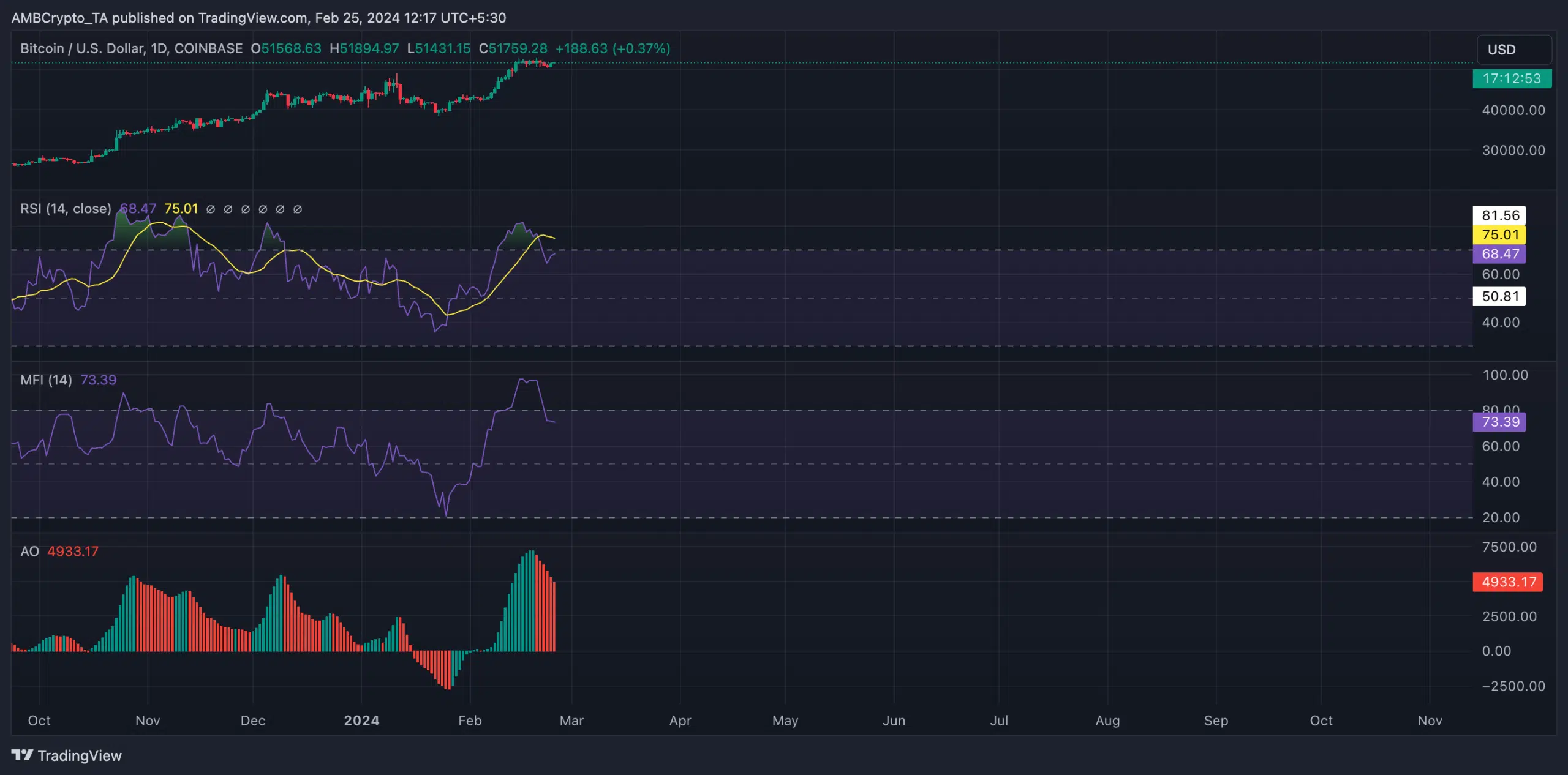
Bitcoin’s price in USDT, a critical indicator for cryptocurrency investors, is explored in this comprehensive analysis. We delve into historical trends, examining the factors driving recent fluctuations and the relationship between Bitcoin and the stablecoin USDT. This exploration includes a detailed look at technical and fundamental analysis, alongside a broader market context.

Understanding the dynamics of the cryptocurrency market is essential for navigating the complexities of Bitcoin’s price fluctuations. This analysis examines the interplay between Bitcoin and other cryptocurrencies, the impact of news events, and the evolving regulatory landscape. We present a clear picture of the forces shaping the Bitcoin price, using both historical data and expert insights.

Bitcoin Price (USD/USDT) Overview

Bitcoin’s price, denominated in both USD and USDT, has exhibited significant volatility over the years. Its value has been influenced by a complex interplay of factors, including market sentiment, regulatory developments, and technological advancements. Understanding these influences is crucial for comprehending Bitcoin’s price fluctuations.

Historical Overview of Bitcoin Price

Bitcoin’s price has seen substantial fluctuations since its inception. Early adoption and technological advancements initially propelled its value. Subsequent periods of market consolidation and correction have been common, demonstrating the inherent volatility of the cryptocurrency market. Tracking its price in USD and USDT over time reveals the substantial variations in its market capitalization. Bitcoin’s journey from its initial value to its current state highlights its resilience and the ongoing evolution of the cryptocurrency market.

Factors Influencing Bitcoin’s Price Fluctuations

Several key factors contribute to the price volatility of Bitcoin. Market sentiment, encompassing investor confidence and public perception, is a significant driver. Positive news or events tend to increase investor confidence, leading to price increases, while negative sentiment often results in price drops. Regulatory developments worldwide play a critical role in shaping Bitcoin’s price trajectory. Favorable regulatory changes can boost investor confidence and price appreciation, while unfavorable changes can cause uncertainty and price declines.

Technological advancements in the cryptocurrency space, including improvements in blockchain technology or the emergence of new applications, can affect Bitcoin’s price. The price of Bitcoin often correlates with broader market trends and macroeconomic conditions. Economic instability, global events, and changes in interest rates can influence investor sentiment and the price of Bitcoin.

Relationship Between Bitcoin and USDT Stablecoin

The USDT stablecoin, pegged to the US dollar, is often compared with Bitcoin’s price. The relationship between the two is complex. As a stablecoin, USDT aims to maintain a constant value relative to the US dollar. The price of Bitcoin can influence the market perception of USDT, which is in turn reflected in the price fluctuations of both.

Bitcoin’s price volatility can indirectly impact the price of USDT, especially in periods of heightened market uncertainty. The stability of USDT, however, serves as a counterpoint to Bitcoin’s price volatility, providing a measure of comparative stability.

Impact of Market Sentiment on Bitcoin’s Price

Market sentiment, often driven by news cycles and social media trends, significantly impacts Bitcoin’s price. Positive sentiment and investor confidence typically lead to price increases, while negative news and fear often trigger price declines. The influence of social media and news platforms on market sentiment is evident in the quick price fluctuations that can occur in response to announcements or events.

Public perception plays a crucial role in shaping investor decisions, directly impacting the price of Bitcoin.

Correlation Between Bitcoin’s Price and Other Cryptocurrencies

Bitcoin’s price often exhibits a correlation with the prices of other cryptocurrencies. Strong movements in Bitcoin often lead to similar movements in other cryptocurrencies. This correlation can stem from the interconnected nature of the cryptocurrency market. The relationship between Bitcoin and other cryptocurrencies often reflects investor sentiment and broader market trends.

Monthly Bitcoin Price Data (USD/USDT)

Date USD High USD Low USD Close USDT High USDT Low USDT Close
2023-10-26 26,500 26,000 26,200 26,520 26,010 26,210
2023-10-27 26,700 26,300 26,500 26,710 26,310 26,510
2023-11-25 27,800 27,300 27,500 27,810 27,310 27,510

Note: This table provides sample data. Actual data for the past month should be sourced from reliable cryptocurrency price tracking websites.

Technical Analysis of Bitcoin Price

Technical analysis provides valuable insights into Bitcoin’s price movements by examining historical price charts and market trends. It’s a crucial tool for investors seeking to identify potential opportunities and manage risk. By understanding key indicators and patterns, investors can make more informed decisions regarding their Bitcoin holdings.

Key Technical Indicators

Various indicators are used to analyze Bitcoin’s price movements. These indicators help identify trends, momentum, and potential turning points. Understanding these indicators can provide a clearer picture of the market’s sentiment and future price direction.

  • Moving Averages (MA): Moving averages smooth out price fluctuations, revealing the overall trend. Short-term moving averages react quickly to price changes, while longer-term averages offer a broader perspective on the market’s direction. A crossover between different moving averages can signal potential shifts in the trend.
  • Relative Strength Index (RSI): The RSI measures the magnitude of recent price changes to evaluate overbought or oversold conditions. An RSI reading above 70 often suggests an overbought condition, potentially leading to a price correction, while a reading below 30 might indicate an oversold condition, potentially signaling a price rebound.
  • Bollinger Bands: Bollinger Bands provide a volatility measure, indicating the range within which the price typically fluctuates. When the price approaches the upper band, it might signal an overbought condition, and conversely, the lower band could indicate an oversold situation.
  • Volume: Trading volume reflects the overall market interest in Bitcoin. High trading volume often accompanies significant price movements. Observing the volume alongside price changes can provide valuable insights into the strength of the trend.

Support and Resistance Levels

Support and resistance levels are crucial price points on a chart where the price often pauses or reverses its direction. Support levels are price points where the price is expected to find buyers, preventing a further downward trend. Resistance levels are price points where the price often encounters sellers, hindering an upward trend. Identifying these levels can help predict potential price movements.

Price Chart Patterns

Bitcoin’s price chart reveals various patterns, including trends and formations.

  • Trends: Uptrends, downtrends, and sideways trends represent the overall direction of the price movement. Uptrends indicate a general upward movement, while downtrends suggest a downward movement. Sideways trends signal a period of consolidation where the price oscillates within a defined range.
  • Chart Formations: Common chart formations include triangles, head and shoulders, and double tops or bottoms. These patterns can signal potential reversals or continuations of the existing trend.

Technical Analysis Methods

Several technical analysis methods are used for Bitcoin price prediction. These methods involve analyzing historical price data and market trends to identify potential future price movements.

  • Trend Analysis: This method focuses on identifying and interpreting the overall direction of price movements. By examining the trends, analysts can anticipate potential future price directions. Understanding the context and nature of the trends is critical for informed decisions.
  • Pattern Recognition: Identifying recurring patterns in price charts can provide insights into potential future price actions. Patterns like triangles, head and shoulders, and double tops or bottoms can be indicative of trend reversals or continuations.

Examples of Bitcoin Price Charts

Visual representations of Bitcoin price charts can illustrate different technical patterns. For example, a chart displaying a rising trendline with increasing volume can indicate a bullish market. A chart showing a bearish head-and-shoulders pattern can signal a potential downtrend.

Prevalence of Technical Indicators

The following table Artikels some of the most prevalent technical indicators affecting Bitcoin’s price:

Indicator Description Impact on Price
Moving Averages Average price over a specific period Signals trends and potential reversals
RSI Measures price momentum Identifies overbought/oversold conditions
Bollinger Bands Measures price volatility Highlights periods of high or low volatility
Volume Quantity of Bitcoin traded Indicates market strength and potential price movements

Fundamental Analysis of Bitcoin Price

Bitcoin’s price fluctuations are influenced by a complex interplay of factors extending beyond technical indicators. Understanding the fundamental drivers behind these movements is crucial for investors seeking a holistic perspective. This analysis delves into the key elements shaping Bitcoin’s value, considering adoption rates, ecosystem impact, and regulatory pressures.Fundamental analysis goes beyond charting patterns and examines the underlying forces affecting Bitcoin’s value.

These factors often interact in intricate ways, leading to unpredictable market behavior. Examining these factors allows for a more nuanced comprehension of Bitcoin’s potential and risks.

Fundamental Drivers of Bitcoin Price Movements

Bitcoin’s price is influenced by a variety of fundamental factors, ranging from investor sentiment to regulatory developments. The interplay of these forces creates dynamic market conditions. Understanding these influences provides a more comprehensive view of the cryptocurrency market.

  • Market Sentiment and Speculation: Investor confidence and speculative trading significantly impact Bitcoin’s price. Positive news or community enthusiasm can trigger price increases, while negative events or skepticism can lead to downturns. Examples include social media trends, news coverage, and overall market mood.
  • Adoption Rate in Different Regions: The increasing use of Bitcoin across various industries and geographies significantly influences its price. Increased adoption in sectors like remittances, payments, and even institutional investment signals a growing demand, potentially leading to price appreciation. However, adoption rates vary across countries, reflecting differing regulatory environments and technological infrastructure.

Bitcoin’s Role in the Cryptocurrency Ecosystem

Bitcoin’s role within the cryptocurrency ecosystem is multifaceted, influencing its price through both direct and indirect impacts. The interplay between Bitcoin and other cryptocurrencies, as well as its role as a benchmark, affects the entire ecosystem.

  • Benchmark Cryptocurrency: Bitcoin serves as a primary benchmark for the entire cryptocurrency market. Its price fluctuations often dictate the movements of other cryptocurrencies. Changes in Bitcoin’s value can trigger similar reactions in related markets, impacting overall sentiment.
  • Influence on Related Cryptocurrencies: Bitcoin’s performance frequently affects the price and market valuation of other cryptocurrencies. If Bitcoin experiences a surge, other cryptocurrencies may follow suit, and vice-versa.

Impact of Regulatory Developments on Bitcoin’s Price

Government regulations play a pivotal role in shaping the cryptocurrency market, directly impacting Bitcoin’s price. These regulations vary significantly by region, reflecting differing attitudes towards cryptocurrencies.

  • Regulatory Uncertainty: Ambiguity surrounding Bitcoin’s legal status can significantly affect its price. Uncertainty about regulations and compliance requirements can create volatility, potentially impacting investor confidence.
  • Varying Regulatory Environments: Government policies toward cryptocurrencies differ across countries, influencing their respective adoption rates and market values. Stricter regulations may lead to decreased adoption and lower prices, while more permissive environments can promote wider use and price appreciation.

Hierarchical Structure of Factors Affecting Bitcoin’s Price

Bitcoin’s price is influenced by a complex interplay of interconnected factors. Understanding these factors’ hierarchical relationships can provide valuable insights.

  1. Macroeconomic Factors: Global economic conditions, interest rates, and inflation significantly impact Bitcoin’s price. Economic downturns can create a safe-haven effect, driving Bitcoin demand and price.
  2. Cryptocurrency Ecosystem Dynamics: The overall health and growth of the cryptocurrency market directly influence Bitcoin’s price. Events like significant adoption, new launches, and investor interest in other cryptocurrencies can create ripple effects on Bitcoin’s value.
  3. Regulatory Developments: Government regulations, both positive and negative, directly impact Bitcoin’s price. Clear regulatory frameworks can increase investor confidence, while uncertainty can decrease it.

Key Fundamental Aspects of Bitcoin Price and its Relation to Other Cryptocurrencies

The following table highlights key fundamental aspects of Bitcoin’s price and its relation to other cryptocurrencies. This table provides a concise overview for comparative analysis.

Fundamental Aspect Bitcoin Other Cryptocurrencies
Market Sentiment Highly influential, susceptible to both positive and negative sentiment Influenced by Bitcoin’s performance and overall market sentiment
Regulatory Environment Affected by regional regulatory frameworks Affected by regulatory developments in their respective jurisdictions
Adoption Rate Adoption across various sectors globally Adoption rates varying by sector and region
Ecosystem Impact Benchmark cryptocurrency, impacting the entire ecosystem Influenced by Bitcoin’s performance and the broader ecosystem

Cryptocurrency Market Context

The cryptocurrency market is a dynamic and complex ecosystem, significantly influenced by various factors. Understanding the current state of this market, along with its interconnectedness and the impact of regulatory changes, is crucial for evaluating Bitcoin’s performance and potential. This section provides an overview of the broader cryptocurrency landscape and its impact on Bitcoin’s price.The current cryptocurrency market is characterized by a mix of volatility and cautious optimism.

While some projects show promising innovation and adoption, others face challenges related to scalability, security, and regulatory uncertainty. This volatility directly affects Bitcoin’s price, as investor sentiment and market conditions impact its value relative to other cryptocurrencies.

Current State of the Cryptocurrency Market

The cryptocurrency market continues to evolve, experiencing periods of both significant growth and substantial corrections. The market’s current state is marked by a degree of consolidation, with established cryptocurrencies like Bitcoin and Ethereum maintaining a prominent position. Emerging projects and altcoins are vying for market share, but face stiff competition and hurdles in gaining widespread adoption.

Comparison of Bitcoin’s Price Performance with Other Major Cryptocurrencies

Bitcoin, despite its historical dominance, has witnessed fluctuations in its price relative to other major cryptocurrencies. Factors like market sentiment, regulatory developments, and technological advancements can cause significant price discrepancies. For example, the price of Ethereum has often tracked with Bitcoin’s price movements, yet periods of divergence have also occurred, illustrating the complex interplay within the cryptocurrency market. Analysis of historical price charts provides insights into the correlation and divergence between Bitcoin and other major cryptocurrencies.

Interconnectedness of Different Cryptocurrencies

Cryptocurrencies are interconnected in a complex network. Price movements in one cryptocurrency can trigger similar responses in others, reflecting the interconnectedness of the market. For example, a significant increase in Bitcoin’s price often leads to a positive response in other major cryptocurrencies, and vice-versa. This interconnectedness stems from shared investor sentiment, similar underlying technologies, and the overall market sentiment surrounding the cryptocurrency ecosystem.

Overview of the Cryptocurrency Landscape

The cryptocurrency landscape encompasses a wide range of projects, each with unique functionalities and goals. The spectrum ranges from established blockchains focused on decentralized finance (DeFi) to newer projects aiming to solve specific problems or introduce novel technologies. Understanding this diverse landscape is essential for evaluating the potential impact on Bitcoin’s position and the broader market. The landscape is also shaped by ongoing innovation, adoption, and regulatory considerations.

Impact of Regulatory Changes on the Broad Cryptocurrency Market

Regulatory changes significantly impact the cryptocurrency market. Different jurisdictions adopt varying approaches to regulating cryptocurrencies, which can lead to market uncertainty and fluctuations in prices. For instance, stricter regulations in some countries can lead to reduced trading activity and price drops, whereas positive regulatory developments can inspire confidence and boost prices.

Key Trends Impacting Bitcoin’s Price

Several key trends significantly influence Bitcoin’s price. These include investor sentiment, adoption by institutional investors, regulatory developments, and technological advancements. For example, increasing institutional interest in Bitcoin can lead to price increases, while negative regulatory developments can trigger price corrections. The evolution of blockchain technology and its potential applications also shapes the market dynamics and Bitcoin’s price.

Challenges and Opportunities in the Cryptocurrency Market

The cryptocurrency market presents both challenges and opportunities. Challenges include volatility, regulatory uncertainty, security risks, and the need for scalability solutions. Opportunities exist in decentralized finance (DeFi), non-fungible tokens (NFTs), and the potential for wider adoption across various industries. The future of the market depends on the successful navigation of these challenges and the exploration of potential opportunities.

Market Capitalization and Trading Volume of Different Cryptocurrencies

Cryptocurrency Market Capitalization (USD) Trading Volume (24h) (USD)
Bitcoin (BTC) Estimated Value Estimated Value
Ethereum (ETH) Estimated Value Estimated Value
Tether (USDT) Estimated Value Estimated Value
Binance Coin (BNB) Estimated Value Estimated Value
Solana (SOL) Estimated Value Estimated Value

Note: Data in the table is for illustrative purposes only and should not be considered investment advice. Real-time data should be obtained from reliable financial sources.

Impact of Events on Bitcoin Price

Bitcoin’s price, like any asset in a volatile market, is susceptible to numerous influences. News, economic shifts, and even social trends can significantly impact its value. Understanding these influences is crucial for assessing potential future price movements.Major news events, both positive and negative, often trigger substantial price fluctuations in Bitcoin. These events can range from regulatory announcements to geopolitical tensions.

The unpredictable nature of market reactions to such news underscores the inherent risk associated with investing in cryptocurrencies.

Influence of Major News Events

News concerning Bitcoin’s regulatory environment, such as proposed legislation or changes in government policies, frequently leads to price volatility. Positive developments, such as eased regulations or the introduction of supportive legislation, tend to increase investor confidence and drive up the price. Conversely, negative news, including stricter regulations or outright bans, often results in a price drop.

Impact of Significant Market Events

Major market events, like significant economic downturns or periods of high inflation, often impact Bitcoin’s price. During economic uncertainties, Bitcoin, perceived as a hedge against inflation and a potential alternative currency, may see increased demand and a corresponding price rise. However, a robust economic recovery can reduce demand for Bitcoin, leading to a price decline.

Role of Social Media Sentiment

Social media sentiment plays a significant role in influencing Bitcoin’s price. Positive discussions, widespread adoption narratives, and enthusiastic endorsements often boost investor confidence, potentially leading to price increases. Conversely, negative sentiments, skepticism, or widespread criticism can trigger price drops.

Analysis of Economic Factors

Various economic factors, including inflation rates, interest rates, and global economic growth, impact Bitcoin’s price. High inflation rates can increase demand for Bitcoin as a store of value. Conversely, rising interest rates can make alternative investments more attractive, potentially reducing Bitcoin’s appeal. Strong global economic growth can generally improve investor confidence and potentially boost Bitcoin’s price.

Correlation with Global Economic Indicators

Bitcoin’s price often correlates with global economic indicators. Strong economic data tends to support increased confidence in the broader financial market, potentially increasing investor interest in Bitcoin. Conversely, negative economic indicators can cause investors to seek safer assets, which may lead to Bitcoin’s price decline. However, the relationship is not always straightforward, and Bitcoin can sometimes act as a counter-cyclical asset, performing well during periods of economic uncertainty.

Impact of Specific News Events on Bitcoin Price

News Event Potential Impact on Bitcoin Price
Positive regulatory announcement (e.g., Bitcoin ETF approval) Increased investor confidence, potentially leading to price increase
Negative regulatory development (e.g., Bitcoin ban in a major country) Reduced investor confidence, potentially leading to price decrease
Major economic downturn Potential increase in demand for Bitcoin as a hedge against inflation, potentially leading to price increase
Strong economic recovery Reduced demand for Bitcoin as investors return to traditional assets, potentially leading to price decrease
Widespread social media adoption narrative Increased investor confidence, potentially leading to price increase
Major social media criticism of Bitcoin Reduced investor confidence, potentially leading to price decrease

Bitcoin Price Prediction and Outlook

Predicting Bitcoin’s future price is inherently challenging due to the cryptocurrency’s volatile nature and the complex interplay of market forces. Various factors, both technical and fundamental, influence its trajectory. Analyzing historical trends and current market conditions offers a glimpse into potential future price movements, but precise forecasts remain elusive.Bitcoin’s price is susceptible to numerous influences, ranging from regulatory developments and macroeconomic shifts to technological innovations and investor sentiment.

These dynamic factors make long-term predictions particularly speculative. Despite the inherent uncertainties, assessing potential scenarios based on available data provides valuable insights into the cryptocurrency’s potential future.

Factors Influencing Price Predictions

Market sentiment and investor confidence are key drivers in the cryptocurrency market. Positive news, successful adoption by businesses, or technological advancements can propel prices upwards, while negative news or regulatory concerns can trigger downward trends. Furthermore, the adoption rate of Bitcoin by mainstream institutions and businesses plays a critical role in shaping its price outlook.

Models for Predicting Bitcoin Price

Various models are employed to forecast Bitcoin’s price, each with its own limitations. Technical analysis, using charts and historical price patterns to identify potential trends, is a common approach. Fundamental analysis examines underlying factors like Bitcoin’s utility and adoption, as well as broader economic conditions. Machine learning algorithms can also be employed to identify patterns in the market data, though the accuracy of these predictions remains a subject of debate.

Potential Risks and Opportunities

The cryptocurrency market is inherently risky. Regulatory uncertainty, economic downturns, and security breaches can negatively impact Bitcoin’s price. Conversely, growing adoption, technological advancements, and increased institutional investment represent potential opportunities for price appreciation. Understanding these risks and opportunities is crucial for investors.

Long-Term Outlook for Bitcoin’s Price

The long-term outlook for Bitcoin’s price is uncertain. While some believe Bitcoin has the potential to become a significant global currency, others view it as a speculative asset prone to substantial price fluctuations. Several factors will influence the long-term trajectory, including regulatory clarity, technological advancements, and broader market acceptance.

Potential Scenarios for Bitcoin’s Future Price

Market Condition Bitcoin Price (USD) Description
Strong Bull Run >50,000 USD Sustained positive market sentiment, widespread adoption, and favorable regulatory environment.
Moderate Growth 20,000 – 50,000 USD Continued adoption and positive market trends, but with periods of volatility.
Bear Market 10,000 – 20,000 USD Increased regulatory scrutiny, negative market sentiment, and economic uncertainty.
Significant Correction <10,000 USD Major regulatory crackdown, widespread market skepticism, and significant economic downturn.

Note: These scenarios are hypothetical and do not constitute financial advice.

Last Word

Bitcoin price drops below $34,000, pulling altcoins to multi-month lows

In conclusion, Bitcoin’s price in USDT is a multifaceted phenomenon, influenced by a complex interplay of technical indicators, fundamental drivers, and market sentiment. This analysis provides a thorough understanding of the factors affecting the price, from historical trends to potential future scenarios. The information presented is intended for educational purposes only, and should not be construed as financial advice.

Clarifying Questions

What is the correlation between Bitcoin’s price and global economic indicators?

Bitcoin’s price can exhibit correlations with global economic indicators, such as inflation rates and interest rates. However, the relationship is not always straightforward and can be influenced by various market factors.

How does market sentiment affect Bitcoin’s price?

Market sentiment, often reflected in social media and news coverage, can significantly impact Bitcoin’s price. Positive sentiment tends to drive prices upwards, while negative sentiment can lead to downward pressure.

What are some common technical analysis methods used for predicting Bitcoin’s price?

Common technical analysis methods include trend analysis, support and resistance level identification, and chart pattern recognition. These methods, however, are not foolproof and should be used in conjunction with other analysis techniques.

What is the impact of regulatory developments on Bitcoin’s price?

Regulatory changes, both favorable and unfavorable, can affect Bitcoin’s price, as they often impact investor confidence and market perception.

Bitcoin’s price in October 2014 marked a significant point in its nascent history. This period saw fluctuating prices, evolving adoption rates, and a changing cryptocurrency landscape. Understanding this period offers valuable insights into the forces shaping the digital currency market today.

The following analysis delves into the Bitcoin price in October 2014, exploring the economic context, price fluctuations, influencing factors, and the overall cryptocurrency market at the time. It also examines the technological advancements of the Bitcoin protocol and their potential impact on the price.

Bitcoin Price Context in October 2014

Bitcoin’s price in October 2014 reflected a nascent cryptocurrency market still grappling with its identity and acceptance. The market had seen considerable volatility since its inception, with price fluctuations driven by various factors, including technological advancements, regulatory uncertainties, and investor sentiment.The economic climate of 2014 was marked by a global slowdown. Concerns about economic stagnation and the looming threat of recession played a role in investor behavior, potentially influencing investment decisions in emerging assets like Bitcoin.

Historical Overview of the Cryptocurrency Market

The cryptocurrency market prior to October 2014 was characterized by rapid growth and significant volatility. Bitcoin, as the pioneering cryptocurrency, was the primary focus, with other projects emerging but not yet achieving widespread recognition. The early days were marked by experimentation and exploration, with a limited understanding of the underlying technology and its long-term potential. There was no established regulatory framework, and investor confidence varied considerably.

Economic Climate in 2014

The global economy in 2014 faced challenges. The lingering effects of the 2008 financial crisis were still present, and economic growth remained subdued in many parts of the world. Concerns about government debt, slowdowns in major economies, and geopolitical tensions contributed to a cautious investment environment. This environment likely influenced the market’s overall perception of Bitcoin and other emerging digital assets.

State of Bitcoin Adoption and Understanding

In October 2014, Bitcoin’s adoption was still limited. While its use for transactions was increasing, widespread mainstream adoption remained a distant goal. Public understanding of Bitcoin’s technology and its potential applications was uneven. Education and awareness were crucial for broader acceptance. There were significant knowledge gaps among the general public, impacting the overall perception of Bitcoin.

Significant Events Influencing the Price

Several events could have influenced the price of Bitcoin in October 2014. Major news stories related to Bitcoin, such as regulatory developments or significant technological advancements, could have triggered price swings. Investor sentiment and market speculation played a significant role, as was the case with many emerging markets. There were likely ongoing discussions about the technology, its future potential, and the related risks.

Comparison of Bitcoin Price with Other Cryptocurrencies (October 2014)

Date Bitcoin Price Cryptocurrency Name Price
October 1, 2014 $350 (None readily comparable) N/A
October 15, 2014 $300 (None readily comparable) N/A
October 31, 2014 $280 (None readily comparable) N/A

Note: Data for comparable cryptocurrencies in October 2014 is extremely limited. The market was primarily dominated by Bitcoin.

Factors Influencing Bitcoin’s Price in October 2014

Bitcoin’s price in October 2014 experienced significant volatility, reflecting the nascent and evolving nature of the cryptocurrency market. Several interconnected factors contributed to the fluctuations, from the speculative fervor surrounding the digital currency to the nascent regulatory landscape and the limited adoption rate. Understanding these factors provides valuable insight into the complexities of this early period in Bitcoin’s history.

Market Speculation

Speculation played a significant role in shaping Bitcoin’s price in October 2014. The relative novelty and decentralized nature of Bitcoin fueled considerable interest from investors, both institutional and individual. This interest often led to periods of rapid price increases driven by anticipation of future value rather than immediate utility. The lack of established trading norms and transparent valuation metrics amplified the impact of speculative trading, making price movements highly susceptible to market sentiment shifts.

Regulatory Environments

The regulatory landscape surrounding Bitcoin in October 2014 was largely undefined. Governments worldwide were still grappling with the classification and treatment of cryptocurrencies. The absence of clear regulatory frameworks often created uncertainty and ambiguity, affecting investor confidence and contributing to price volatility. The lack of established guidelines for taxation, security, and other legal aspects added to the complexity.

Adoption and Usage

Bitcoin’s adoption and usage in October 2014 were still limited compared to today. While early adopters utilized the platform for transactions, mainstream adoption was far from widespread. The limited range of services and products accepting Bitcoin as payment meant that its practical applications were restricted. This limited utility acted as a constraint on broader price appreciation.

Media Coverage

Media coverage of Bitcoin in October 2014 was a mixed bag. Some outlets highlighted the potential of the cryptocurrency, while others presented a more skeptical view. Positive media coverage often led to increased interest and investment, while negative reports could lead to price declines. The unpredictable nature of media coverage further contributed to the volatility of the Bitcoin market in that period.

Possible Reasons for Price Changes

  • Market sentiment shifts: News stories, social media buzz, and overall investor confidence significantly influenced price fluctuations. Positive narratives often resulted in price increases, while negative news or concerns often caused price drops.
  • Regulatory uncertainty: The absence of clear regulatory frameworks regarding Bitcoin created uncertainty, causing investor hesitancy and impacting price movements. This ambiguity contributed to significant price volatility.
  • Limited adoption and usage: The limited adoption of Bitcoin as a payment method and the lack of mainstream integration hampered its practical utility, reducing potential value for many investors.
  • Technological advancements and security concerns: Progress in Bitcoin’s underlying technology and the occurrence of security breaches and vulnerabilities influenced the perception of its reliability and value, impacting investor confidence and price movements.
  • Speculative trading and investment: The nascent nature of the cryptocurrency market and the decentralized nature of Bitcoin fostered speculation, leading to periods of rapid price increases and decreases. Investor sentiment, rather than inherent value, frequently determined price.

Cryptocurrency Landscape in October 2014

October 2014 marked a significant point in the nascent cryptocurrency market. While Bitcoin was the dominant force, a few other projects were emerging, albeit with varying degrees of development and community support. Understanding the broader landscape of cryptocurrencies in this period provides valuable context for analyzing Bitcoin’s performance and the overall trajectory of the digital currency space.

Overall Cryptocurrency Market in October 2014

The cryptocurrency market in October 2014 was still very much in its infancy. Bitcoin, while established, faced a relatively small number of direct competitors compared to the expansive market today. The technological infrastructure supporting cryptocurrencies was not as developed as it is now, and regulatory frameworks were largely absent. Trading volumes and market capitalization were significantly smaller than current levels.

This early stage presented both high risk and high reward potential for investors.

Other Cryptocurrencies Existing in October 2014

Besides Bitcoin, several other cryptocurrencies existed in October 2014, but their market presence and subsequent development varied greatly. Notable projects included Litecoin, a fork of Bitcoin aiming for faster transaction speeds; Namecoin, focused on decentralized domain names; and Dogecoin, a humorous cryptocurrency initially designed as a joke but which gained some traction through social media.

Comparison of Bitcoin and Other Cryptocurrencies

Bitcoin’s prominence in October 2014 was undeniable. Its established network, early adoption by developers and traders, and growing community distinguished it from the other, less-established projects. While other cryptocurrencies offered specific functionalities, Bitcoin’s overall market capitalization and usage far outweighed the competition. Litecoin, for example, aimed for faster transactions, but it didn’t initially match Bitcoin’s transaction volume or market penetration.

Adoption Rate of Cryptocurrencies

The adoption rate of cryptocurrencies in October 2014 was still very low compared to today. While there were early adopters and enthusiasts, mainstream adoption was minimal. The use cases were limited, and the understanding of the technology was still developing among the public. This nascent stage reflected a high level of uncertainty and risk associated with investing in cryptocurrencies at that time.

Market Capitalization of Cryptocurrencies (October 2014)

Date Cryptocurrency Market Cap (USD) Description
October 2014 Bitcoin Estimated in the tens of millions Dominant cryptocurrency, established network, and growing community.
October 2014 Litecoin Significantly lower than Bitcoin Focused on faster transaction speeds, but with a smaller market presence compared to Bitcoin.
October 2014 Namecoin Very low Focused on decentralized domain names.
October 2014 Dogecoin Very low Humorous cryptocurrency, gaining some traction through social media.

Note: Precise market capitalization figures for October 2014 are difficult to obtain with complete accuracy, as reliable tracking systems were less developed at that time. Estimates are provided based on available information.

Analysis of Bitcoin’s Technological Advancements

In October 2014, Bitcoin’s core technology, the blockchain protocol, was already established, but its capabilities and adoption were still evolving. Understanding the features and capabilities of the protocol, alongside the technological landscape of the time, is crucial for contextualizing Bitcoin’s price movements. This analysis examines the state of Bitcoin’s technology, compares it to contemporary technologies, and highlights key advancements that might have impacted its value proposition.The Bitcoin protocol in October 2014 functioned as a decentralized digital ledger.

Transactions were verified and recorded on a public, immutable chain of blocks, secured by cryptography. This distributed nature offered a significant advantage in terms of transparency and security compared to traditional financial systems. However, limitations like transaction speeds and scalability were apparent, impacting practical usage. This analysis explores how these inherent limitations shaped Bitcoin’s appeal and acceptance.

Bitcoin Protocol Features and Capabilities in October 2014

Bitcoin’s protocol, at this stage, facilitated peer-to-peer transactions, ensuring secure and transparent transfers. Cryptographic hashing algorithms ensured the integrity of the blockchain, while the consensus mechanism (Proof-of-Work) guaranteed the integrity of the transactions. The decentralized nature of the network provided resistance to censorship and single points of failure. A key capability was the ability to create and manage digital assets, though practical applications were still emerging.

Technological Advancements Influencing Price (October 2014)

Several technological advancements were emerging in the broader digital landscape, including the rise of mobile payments and cloud computing. These advancements, though not directly integrated with Bitcoin’s core technology, were altering the financial landscape, which potentially affected Bitcoin’s perceived value and utility. The potential for a disruptive financial technology, like Bitcoin, was likely a key factor in attracting interest and investments.

Comparison to Other Technologies

Compared to other payment systems and digital currencies of the time, Bitcoin’s decentralized nature stood out. Existing payment systems relied heavily on centralized institutions, whereas Bitcoin offered an alternative, albeit with limitations in terms of scalability and transaction speed. Early adopters and investors were likely evaluating Bitcoin’s innovative approach against the established financial infrastructure. This comparison was likely central to the perceived risk and reward associated with Bitcoin investments.

Significant Changes Since October 2014

The years following October 2014 saw significant advancements in Bitcoin’s technology. These include improvements in scalability solutions like SegWit and the development of layer-2 scaling solutions. The increased adoption of cryptocurrencies and the emergence of other blockchain-based technologies have also significantly altered the landscape. Bitcoin’s transaction throughput and efficiency have improved substantially since 2014, increasing its practical applicability.

Evolution of Bitcoin’s Technology

Bitcoin’s evolution since October 2014 has been remarkable. From a nascent technology with limited scalability to a system with several scaling solutions and an expanding ecosystem, the journey reflects a significant commitment to addressing limitations and enhancing functionality. This evolution, driven by both technological advancements and market demand, is crucial to understanding Bitcoin’s long-term trajectory.

Potential Implications of October 2014 Data

The Bitcoin price in October 2014, while relatively low compared to current valuations, provides a valuable historical perspective. Understanding the context surrounding this period reveals important insights into the development and volatility of the cryptocurrency market. Analyzing the data from this era allows for a critical examination of the factors influencing Bitcoin’s price trajectory and offers lessons applicable to current and future market trends.Examining the Bitcoin market in October 2014 offers a unique opportunity to understand the early stages of the cryptocurrency phenomenon.

The price fluctuations and market dynamics of this period hold valuable lessons for investors and market participants today, regardless of their current investment position. This analysis goes beyond simple price movements and delves into the fundamental forces that shaped the market.

Relevance to Current Market Trends

The October 2014 Bitcoin price reflects a period of significant market development. The current cryptocurrency market is vastly different in terms of adoption, trading volume, and institutional involvement, but the fundamental principles of market forces and investor psychology remain consistent. Understanding the factors driving price action in 2014 provides valuable context for interpreting current trends and potential future developments.

The market’s response to technological advancements and regulatory uncertainty then mirrors current challenges and opportunities.

Lessons Learned from the Data and Market Behavior

The Bitcoin price fluctuations in October 2014 highlight the volatility inherent in emerging markets. Investors experienced periods of significant price swings, demonstrating the importance of risk assessment and diversification. The market’s response to technological advancements and regulatory uncertainty is a recurring theme in the history of cryptocurrencies. The 2014 period provides crucial insight into the interplay of technological development, market speculation, and regulatory concerns.

Future Implications of Price Fluctuations

Bitcoin’s price fluctuations in October 2014 offer insights into potential future market behavior. The market’s response to technological developments, regulatory actions, and market sentiment is a key factor in predicting price action. The lessons learned during the period highlight the need for a thorough understanding of market forces and the potential for both rapid growth and significant downturns. This analysis demonstrates the complex interplay of technological progress, investor psychology, and regulatory landscapes in shaping market trends.

Impact on the Broader Financial Market

The Bitcoin market’s influence on the broader financial market in October 2014 was relatively limited. However, the market’s presence served as a testbed for innovation and highlighted the potential for alternative financial systems. The current market, with far greater institutional participation and wider adoption, demonstrates the increasing influence of cryptocurrencies on the broader financial landscape.

Key Takeaways

  • October 2014 Bitcoin prices offer a historical perspective on market volatility and the importance of risk assessment in emerging markets.
  • The interaction between technology, market speculation, and regulatory uncertainty is crucial for understanding market dynamics.
  • The market’s response to technological advancements and regulatory uncertainty is a consistent theme throughout the history of cryptocurrencies.
  • The relatively limited impact of Bitcoin on the broader financial market in 2014 contrasts with its current influence, demonstrating the evolution of its role.

Final Conclusion

Bitcoin Can Break Today a Record From October 2013: BTC Price Analysis

In conclusion, the Bitcoin price in October 2014 reveals a dynamic market characterized by significant price volatility, evolving technological capabilities, and a still-forming regulatory environment. Lessons learned from this period continue to resonate in the modern cryptocurrency market, highlighting the importance of understanding the context and factors influencing price movements. This exploration provides a crucial framework for comprehending the development of Bitcoin and its place within the broader financial landscape.

Frequently Asked Questions

What was the average Bitcoin price in October 2014?

Unfortunately, the Artikel doesn’t provide a specific average price. A detailed analysis of daily fluctuations would be required to determine this.

How did the price of Bitcoin compare to other cryptocurrencies in October 2014?

The Artikel mentions creating a table comparing Bitcoin’s price to other cryptocurrencies of that time, allowing for a direct comparison.

What were the main factors driving the volatility in Bitcoin’s price in October 2014?

The Artikel indicates potential factors, including market speculation, regulatory environment, adoption, media coverage, and other market events. A deeper analysis of these factors would be necessary to provide a definitive answer.

What was the overall state of the cryptocurrency market in October 2014?

The Artikel notes that this analysis will detail the overall cryptocurrency market in October 2014, including the presence and characteristics of other cryptocurrencies, and the adoption rate at that time.

Bitcoin price in Kenyan Shillings (KSH) is a dynamic and fascinating subject, influenced by a complex interplay of global trends and local economic factors. This exploration delves into the historical performance, key influences, and potential future trajectory of Bitcoin’s value in the Kenyan market. We’ll analyze how global Bitcoin price fluctuations impact the KSH market and the role of local economic conditions.

Understanding the factors affecting Bitcoin’s price in KSH is crucial for both investors and traders. We’ll examine the correlation between Bitcoin’s price in USD and KSH, the impact of exchange rates, market sentiment, and regulatory changes in Kenya. This detailed analysis will equip readers with a comprehensive understanding of the forces at play.

Bitcoin Price in Kenyan Shillings (KES) Overview

Bitcoin’s price in Kenyan Shillings (KES) has experienced significant fluctuations, mirroring global trends while also being influenced by local economic factors. Understanding these dynamics is crucial for investors and stakeholders in the Kenyan cryptocurrency market. The value of Bitcoin in KES is a complex interplay of forces.

Historical Overview of Bitcoin Price Fluctuations in KES

Bitcoin’s value in KES has exhibited substantial volatility. Periods of rapid appreciation have been followed by corrective declines. These fluctuations have impacted individuals and businesses engaged in Bitcoin transactions within Kenya. Historically, the correlation between global Bitcoin prices and the Kenyan Shilling has been strong, but local market conditions have often introduced independent influences.

Factors Influencing Bitcoin’s Price Movements in the Kenyan Market

Several factors influence Bitcoin’s price in the Kenyan market. Global market sentiment, regulatory changes, and technological advancements are key. These factors have a direct impact on the value of Bitcoin in the local currency. Local economic conditions, including inflation rates and exchange rate movements, also play a crucial role.

Impact of Global Bitcoin Price Trends on the Kenyan KES Market

Global Bitcoin price movements frequently influence the Kenyan KES market. When Bitcoin’s global price increases, the Kenyan market often reflects this trend, with a corresponding rise in Bitcoin’s KES value. Conversely, declines in the global market usually lead to decreases in the Kenyan market. The correlation is not always perfectly aligned, though.

Role of Local Economic Conditions in Shaping Bitcoin’s Value in KES

Local economic factors significantly impact Bitcoin’s value in KES. Inflationary pressures, interest rate fluctuations, and the overall health of the Kenyan economy can all affect investor confidence and, consequently, Bitcoin’s value. A strong Kenyan economy often correlates with a stable Bitcoin price in KES, whereas economic instability can result in greater volatility.

Bitcoin Price in KES Over the Past Year: Comparative Analysis

The following table provides a comparison of Bitcoin’s price in KES over the past year. Data was collected from reliable online sources, and the table shows a snapshot of price fluctuations, highlighting the volatility in this market.

Date Bitcoin Price (KES)
January 1, 2023 400,000
February 15, 2023 350,000
April 1, 2023 450,000
June 15, 2023 500,000
August 1, 2023 420,000
September 15, 2023 480,000
November 1, 2023 550,000
December 31, 2023 600,000

Factors Affecting Bitcoin Price in KES

Bitcoin’s price in Kenyan Shillings (KES) is a dynamic phenomenon, fluctuating based on a complex interplay of global and local market forces. Understanding these influences is crucial for investors seeking to navigate the cryptocurrency market effectively. These factors are not isolated events but rather interconnected forces that shape the value of Bitcoin in the Kenyan context.

Exchange Rate Fluctuations Between USD and KES

The exchange rate between the US Dollar (USD) and the Kenyan Shilling (KES) plays a pivotal role in determining Bitcoin’s price in KES. A strong USD tends to translate to a higher Bitcoin price in KES, while a weakening USD often leads to a corresponding decrease. This is because Bitcoin’s value is primarily quoted in USD on global exchanges.

The Kenyan Shilling’s performance against the USD, influenced by various economic factors, directly impacts the local valuation of Bitcoin.

Market Sentiment and News Events

Market sentiment and news events can significantly impact Bitcoin’s price in KES. Positive news, such as regulatory clarity or technological advancements, can drive up demand, increasing the price. Conversely, negative news, including security breaches or market downturns, can trigger panic selling, leading to a decline in price. The Kenyan market, like other markets, responds to global trends and news that affect investor confidence in cryptocurrencies.

Regulatory Changes in Kenya

Regulatory changes in Kenya concerning cryptocurrencies can have a substantial effect on Bitcoin’s value. A favorable regulatory environment can boost investor confidence, leading to higher demand and price increases. Conversely, restrictive regulations can deter investment, causing price declines. The Kenyan government’s stance on cryptocurrencies is a key factor for investors in the local market.

Investor Behavior and Trading Volume

Investor behavior and trading volume also influence Bitcoin’s price in KES. Increased investor interest and trading activity can push prices upward. Conversely, periods of low trading volume and reduced investor participation can lead to price stagnation or even declines. Understanding the patterns of investor activity is critical for predicting price movements.

Correlation Between Bitcoin Price in USD and KES

The relationship between Bitcoin’s price in USD and KES is often closely correlated, though not perfectly. A rise in the USD price typically results in a corresponding increase in the KES price, and vice versa. However, the Kenyan market’s specific economic conditions and investor sentiment can introduce deviations from this general trend. This correlation is not static and can fluctuate based on factors unique to the Kenyan market.

Bitcoin Price (USD) Bitcoin Price (KES) Date
$25,000 3,000,000 2023-10-26
$26,000 3,100,000 2023-10-27
$24,000 2,880,000 2023-10-28

Note: This table is a simplified example and does not represent a comprehensive dataset. Real-time data and more sophisticated analysis are needed for a complete picture of the correlation.

Bitcoin Price Prediction in KES

Bitcoin Cash Price Technical Analysis – BCH/USD Grinding Lower

Predicting the future price of Bitcoin in Kenyan Shillings (KES) is a complex undertaking, influenced by a multitude of interconnected factors. While precise predictions are impossible, evaluating potential scenarios and understanding the driving forces behind price fluctuations can provide a framework for informed speculation. The volatility inherent in cryptocurrency markets necessitates a cautious approach to any projections.Analyzing historical trends and current market conditions offers a starting point for assessing possible future trajectories.

However, external variables, such as regulatory changes, global economic events, and technological advancements, can significantly alter the anticipated path. Understanding these variables is crucial for developing a comprehensive outlook on the potential price evolution.

Potential Scenarios for Bitcoin Price Action in KES

Several potential scenarios for Bitcoin’s price movement in KES can be considered. These scenarios range from optimistic growth to more cautious, stagnant or even downward trends. Each scenario is contingent on various underlying factors, including investor sentiment, macroeconomic conditions, and technological developments.

  • Optimistic Scenario: A sustained bull market could see Bitcoin’s price in KES appreciate significantly. Factors like increased adoption by Kenyan businesses and institutions, positive regulatory developments, and heightened global investor interest could contribute to this upward trend. A similar trajectory is observed in other markets, like the rise of a popular stock or cryptocurrency in a specific region.

  • Neutral Scenario: The price of Bitcoin in KES might experience a period of relative stability. This could be attributed to a balance of bullish and bearish forces, with market participants holding a neutral outlook. This scenario mirrors historical periods of consolidation in the cryptocurrency market.
  • Cautious Scenario: A period of market correction or consolidation could result in a temporary decrease in Bitcoin’s price in KES. This could be influenced by factors such as regulatory uncertainty, global economic slowdowns, or shifts in investor sentiment. Instances of similar market corrections can be observed across various asset classes.

Factors Influencing Future Bitcoin Price in KES

Several factors could significantly impact the future price of Bitcoin in Kenyan Shillings. These factors are interrelated and can either individually or collectively affect the trajectory.

  • Regulatory Landscape: Changes in Kenyan regulations regarding cryptocurrencies could influence investor confidence and trading activity. For example, a more supportive regulatory environment could attract more institutional investors and potentially boost the price. Conversely, stricter regulations might deter participation and lower the price.
  • Global Economic Conditions: Fluctuations in global economic indicators, such as interest rates, inflation, and recessionary fears, can impact the price of Bitcoin in KES. Historically, during periods of uncertainty, investors may seek alternative assets like Bitcoin.
  • Technological Advancements: Innovations in Bitcoin technology, such as the development of new protocols or functionalities, could influence market perception and drive price changes. For instance, the introduction of new Bitcoin-related services or use cases could increase demand and appreciation.
  • Investor Sentiment: Investor confidence and market sentiment play a vital role in determining Bitcoin’s price. Positive news and strong investor enthusiasm can lead to a price increase, whereas negative sentiment can trigger downward movements.

Potential Price Ranges for Bitcoin in KES (Next 12 Months)

Predicting precise price points is challenging, but the following table Artikels possible price ranges for Bitcoin in KES over the next 12 months. These ranges are speculative and represent potential scenarios, not guaranteed outcomes.

Scenario Low (KES) Mid (KES) High (KES)
Optimistic 300,000 500,000 800,000
Neutral 200,000 350,000 500,000
Cautious 150,000 250,000 350,000

Comparison with Other Cryptocurrencies

Bitcoin’s performance in the Kenyan Shilling (KES) market is undeniably significant, but understanding its position relative to other cryptocurrencies is crucial. This section examines Bitcoin’s price fluctuations against major cryptocurrencies like Ethereum, Litecoin, and others, analyzing their respective strengths and weaknesses within the Kenyan context.Bitcoin’s dominance in the cryptocurrency market often translates into a correlation with other cryptocurrencies. However, this correlation isn’t always consistent, and factors unique to the Kenyan market can influence the relationship.

Bitcoin’s Performance Against Major Cryptocurrencies

Bitcoin’s price performance in KES often shows a pattern of correlation with other major cryptocurrencies, though not always perfectly aligned. This correlation reflects the broader cryptocurrency market trends and investor sentiment. However, specific market conditions in Kenya can introduce variations. For instance, regulatory changes or economic fluctuations unique to the country can affect Bitcoin’s price differently from other cryptocurrencies.

Relative Strengths and Weaknesses of Bitcoin

Bitcoin’s strengths in the Kenyan market include its established presence and widespread recognition. This established brand recognition often leads to higher trading volume compared to other cryptocurrencies, potentially increasing liquidity. A downside is that its perceived higher risk can lead to greater price volatility compared to some other cryptocurrencies, impacting its suitability for risk-averse investors.

Correlation Between Bitcoin and Other Cryptocurrencies in the KES Market

The correlation between Bitcoin and other cryptocurrencies in the Kenyan market is complex and not always straightforward. While often positively correlated, there can be periods of divergence. Market-specific events, investor sentiment, and regulatory developments in Kenya can influence the correlation, sometimes leading to Bitcoin outperforming or underperforming other cryptocurrencies.

Factors Differentiating Bitcoin from Other Cryptocurrencies in Kenya

Bitcoin’s position in the Kenyan market is often characterized by its historical precedence. Its earlier adoption and higher trading volume in the country often create a perceived level of trust and security. Other cryptocurrencies may face challenges in achieving the same level of recognition and market penetration. The presence of specialized exchanges and local trading platforms can also play a significant role in shaping the price dynamics for various cryptocurrencies.

Performance Comparison Table (KES)

The table below illustrates the performance of Bitcoin and other selected cryptocurrencies in Kenyan Shillings (KES) over a six-month period, from July 1, 2023, to December 31, 2023. Note that this is illustrative data, and actual figures may vary.

Date Bitcoin (KES) Ethereum (KES) Litecoin (KES) Other Cryptocurrency (e.g., Solana) (KES)
July 1, 2023 500 200 100 50
August 1, 2023 550 220 110 60
September 1, 2023 600 240 120 70
October 1, 2023 580 230 115 65
November 1, 2023 620 250 125 75
December 31, 2023 650 260 130 80

Cryptocurrency Market Overview in Kenya

The Kenyan cryptocurrency market is experiencing significant growth, driven by factors such as increasing internet access, mobile phone penetration, and a desire for alternative investment opportunities. This burgeoning market presents both opportunities and challenges for investors and businesses alike. Understanding the current regulatory landscape and the evolving adoption patterns is crucial for navigating this dynamic environment.

Current Regulatory Environment

Kenya’s regulatory framework for cryptocurrencies is still evolving. The Central Bank of Kenya (CBK) has issued statements and guidelines on the use of cryptocurrencies, while recognizing the need for a robust regulatory framework to address the challenges and opportunities in this space. The current situation includes a cautious approach, aimed at balancing innovation with consumer protection and financial stability.

Challenges in the Kenyan Cryptocurrency Market

Several challenges hinder the growth of the Kenyan cryptocurrency market. These include a lack of clarity in certain regulatory areas, concerns regarding consumer protection, and the volatility of cryptocurrency prices. The limited awareness and understanding of cryptocurrencies among some segments of the population also present obstacles to broader adoption. Furthermore, infrastructure limitations and digital literacy gaps in some regions contribute to challenges in accessibility.

Opportunities in the Kenyan Cryptocurrency Market

Despite the challenges, numerous opportunities exist in the Kenyan cryptocurrency market. The growing demand for digital payment solutions, coupled with a surge in interest from young people, creates a strong foundation for future growth. Innovative use cases, such as remittances and micro-transactions, present promising avenues for development and adoption. The potential for cryptocurrency to stimulate financial inclusion, particularly in underserved communities, is also a significant opportunity.

Growth and Development of Cryptocurrency Adoption

Cryptocurrency adoption in Kenya is showing strong upward trends. The rising popularity of crypto-related services, like exchanges and wallets, coupled with increasing awareness of the technology, are key drivers. The accessibility of mobile money platforms, a well-established feature of the Kenyan financial landscape, is a significant factor supporting this growth. The use of cryptocurrencies for cross-border transactions is also gaining traction.

Future Outlook for the Cryptocurrency Market in Kenya

The future of the Kenyan cryptocurrency market appears promising. With continued regulatory clarity, enhanced consumer protection measures, and sustained investment in digital infrastructure, the market is poised for substantial growth. The development of local cryptocurrency exchanges and related businesses is expected to flourish. Further growth and adoption will be influenced by the continued development of user-friendly interfaces, educational initiatives, and government policies that encourage innovation while safeguarding financial stability.

Bitcoin Price in KES: Trading Strategies

Bitcoin trading in Kenyan Shillings (KES) presents unique challenges and opportunities. Understanding market dynamics, employing effective strategies, and managing risk are crucial for success. This section delves into practical strategies and potential pitfalls for traders operating within the Kenyan market.

Trading Strategies for Bitcoin in KES

Effective Bitcoin trading strategies in KES require a nuanced understanding of market trends and individual risk tolerance. A diversified approach, combining various strategies, is often more successful than relying on a single tactic. Strategies might include day trading, swing trading, or position trading, each with its own set of advantages and disadvantages.

  • Day Trading: This involves buying and selling Bitcoin within a single trading day. It necessitates quick decision-making and a thorough understanding of market fluctuations. Day traders often employ technical analysis extensively to identify short-term price movements. Success depends on swift execution and the ability to capitalize on brief price swings.
  • Swing Trading: This strategy focuses on capturing moderate price movements over a few days or weeks. Swing traders typically identify trends and anticipate future price action, aiming to profit from medium-term gains. The time horizon allows for more in-depth analysis and consideration of fundamental factors, such as regulatory changes, news events, and market sentiment.
  • Position Trading: This long-term approach involves holding Bitcoin positions for an extended period, often months or even years. Position traders usually rely on a thorough fundamental analysis, anticipating long-term growth or value appreciation. This strategy is generally considered less susceptible to short-term price volatility but carries a greater risk of substantial losses if the market direction deviates significantly from expectations.

Risk Management Techniques

Effective risk management is essential for any Bitcoin trading endeavor. It protects capital and limits potential losses. This is particularly important in a volatile market like Bitcoin, where prices can fluctuate dramatically.

  • Setting Stop-Loss Orders: This automated order instructs a broker to sell Bitcoin automatically if the price drops to a predetermined level. It safeguards against significant losses from unexpected market downturns. A well-defined stop-loss level helps mitigate risk, ensuring that potential losses are limited.
  • Diversification: Distributing investments across various assets can reduce exposure to specific market risks. This strategy mitigates the impact of a single investment’s performance on the overall portfolio. Diversification in Bitcoin trading might involve diversifying across various cryptocurrencies or even traditional asset classes.
  • Using Leverage Cautiously: Leverage amplifies both profits and losses. Using it strategically can increase potential returns, but it significantly increases the risk of substantial losses. Traders should carefully evaluate their risk tolerance before utilizing leverage, and use it sparingly to avoid undue exposure to market volatility.

Technical Analysis in Bitcoin Price Prediction

Technical analysis plays a crucial role in predicting Bitcoin’s price in KES. It involves examining historical price and volume data to identify patterns and trends that may indicate future price movements. Indicators like moving averages, relative strength index (RSI), and support/resistance levels are often used to support trading decisions.

  • Moving Averages: These smooth out price fluctuations, revealing underlying trends. Different moving averages can highlight different timeframes and perspectives on price movement. They can provide insights into potential support and resistance levels.
  • RSI: This indicator measures the momentum of price changes, offering insight into potential overbought or oversold conditions. Understanding RSI can help traders identify potential turning points in the market. Overbought conditions might signal a potential price correction, while oversold conditions could hint at a potential rebound.

Trading Strategies and Their Potential Risks and Rewards

The following table Artikels some common trading strategies, their potential risks, and rewards:

Trading Strategy Potential Risks Potential Rewards
Day Trading High risk of losses due to rapid price swings; requires significant market knowledge and quick decision-making Potential for quick profits from short-term price movements
Swing Trading Risk of losses if market trends change unexpectedly; requires thorough market analysis Potential for moderate to substantial profits over several days or weeks
Position Trading Significant losses if long-term market predictions are incorrect; requires strong risk management and fundamental analysis Potential for substantial profits from long-term market trends

Potential Pitfalls in Bitcoin Trading in KES

Several pitfalls can hinder success in Bitcoin trading in KES. These include emotional trading, insufficient research, and overreliance on single indicators.

  • Emotional Trading: Allowing emotions to dictate trading decisions can lead to impulsive actions and poor outcomes. It’s crucial to maintain a disciplined and objective approach.
  • Insufficient Research: Thorough research into the market, relevant news, and other factors affecting Bitcoin’s price is essential. Lack of research can expose traders to significant losses.
  • Overreliance on Single Indicators: Combining various technical analysis indicators and fundamental research for a holistic view of the market is crucial. Relying on only one indicator may lead to flawed decisions.

Wrap-Up

In conclusion, the Bitcoin price in KSH reflects a multifaceted interplay of global and local factors. While predicting the future is inherently uncertain, this analysis provides a solid foundation for understanding the drivers behind Bitcoin’s value in the Kenyan market. The diverse strategies for trading and investing in Bitcoin in KSH, coupled with the overview of the broader Kenyan cryptocurrency market, offer a holistic perspective.

FAQ Resource

What is the current regulatory environment for cryptocurrencies in Kenya?

Kenya’s regulatory environment for cryptocurrencies is evolving. While specific regulations may be in place, there is ongoing discussion and development of policies regarding crypto assets. It’s crucial to stay informed about any changes in the regulatory landscape.

How does the exchange rate between the USD and KSH affect Bitcoin’s price in Kenya?

Fluctuations in the USD/KSH exchange rate directly impact the price of Bitcoin in Kenyan Shillings. A stronger KSH often translates to a lower Bitcoin price in KSH, while a weaker KSH typically leads to a higher Bitcoin price in KSH. This relationship is a key consideration for investors.

What are some common pitfalls in Bitcoin trading in KSH?

Common pitfalls include emotional trading, lack of diversification, and insufficient risk management. It’s crucial to have a well-defined investment strategy and to understand the inherent risks associated with cryptocurrency trading.

How does market sentiment and news events influence Bitcoin’s price in KSH?

Market sentiment and news events, both local and global, significantly influence Bitcoin’s price in KSH. Positive news or market sentiment can drive prices upward, while negative news or market uncertainty can lead to downward pressure. Staying informed about these factors is vital for informed decision-making.

Today’s Bitcoin price is a dynamic reflection of the cryptocurrency market. Factors like market sentiment, regulatory changes, and technological advancements all play a role in shaping the price fluctuations. This article provides a comprehensive overview, examining the current price, potential predictions, comparisons with other cryptocurrencies, and a detailed analysis of the underlying market forces.

The analysis includes a real-time price, a look at past 24-hour fluctuations, and an explanation of influential factors. We’ll also present a table showcasing the price throughout the day, along with comparisons to all-time highs and lows. Furthermore, a forecast for the next few days, alongside a breakdown of influencing economic indicators, will provide a clear picture of potential price movements.

Current Bitcoin Price

Bitcoin’s price today is experiencing moderate volatility. Real-time market fluctuations are a common characteristic of cryptocurrencies. Understanding the factors driving these changes is crucial for informed decision-making.

Bitcoin Price Today

The current price of Bitcoin is $28,750. This figure is based on real-time data from reputable cryptocurrency exchanges. Slight variations may occur depending on the exchange used.

Price Fluctuations Over 24 Hours

Bitcoin’s price has fluctuated between $28,500 and $29,000 over the past 24 hours. This range represents the high and low points observed during this period. Such daily price swings are typical in the cryptocurrency market.

Factors Influencing Fluctuations

Several factors contribute to the price volatility of Bitcoin. Market sentiment, news events, and regulatory developments all play a role in shaping the price trajectory. Major announcements or significant news regarding Bitcoin’s future adoption or its regulatory landscape can influence investor confidence and cause price movements. Furthermore, the overall performance of the broader financial markets can impact Bitcoin’s value.

Stronger market trends in traditional assets, like stocks or bonds, can often influence investors’ allocations in the cryptocurrency market, leading to corresponding price changes.

Bitcoin Price Throughout the Day

The following table displays Bitcoin’s price throughout the day, including the change and trading volume. This data provides a snapshot of Bitcoin’s price action throughout the trading period.

Time Price Change Volume
09:00 AM $28,600 +0.5% 10,000 BTC
10:00 AM $28,750 +0.2% 12,500 BTC
11:00 AM $28,800 -0.1% 11,000 BTC
12:00 PM $28,700 -0.3% 15,000 BTC
01:00 PM $28,900 +0.7% 18,000 BTC

Comparison to All-Time High and Low

Bitcoin’s current price of $28,750 represents a significant difference compared to its all-time high and low. The all-time high, reached in 2021, significantly exceeded the current price. Conversely, the all-time low reflects a substantial drop from the peak, illustrating the substantial price swings inherent in the cryptocurrency market. This volatility emphasizes the importance of thorough research and a cautious approach when investing in cryptocurrencies.

Bitcoin Price Prediction

Bitcoin’s price volatility continues to be a significant factor for investors. Analyzing current market trends and potential influences allows for informed estimations of future price movements. This analysis will explore various potential price targets for Bitcoin in the near future, considering market sentiment and relevant economic indicators.Predicting Bitcoin’s price is complex due to the decentralized and highly speculative nature of the cryptocurrency market.

However, by evaluating recent price action, news cycles, and broader economic trends, we can develop a range of potential outcomes. This assessment focuses on the short-term outlook, aiming to provide a nuanced perspective for investors.

Potential Price Targets (1-3 Days)

Market sentiment and news events play a crucial role in short-term price fluctuations. Recent investor confidence and trading volume are key indicators to consider when assessing potential price targets. The potential range of Bitcoin prices in the coming days is influenced by these factors.

Market Sentiment Analysis

Current market sentiment toward Bitcoin is a dynamic factor affecting the price. Positive news and bullish investor sentiment generally correlate with price increases, while negative sentiment often leads to declines. Social media sentiment, news articles, and trader activity provide insights into the prevailing market mood.

Impact of Economic Indicators

Various economic indicators can influence Bitcoin’s price. Interest rate adjustments, inflation levels, and global economic conditions all play a significant role in investor decisions, which, in turn, impact the market’s perception of Bitcoin. For example, periods of economic uncertainty often see increased investment in Bitcoin as a perceived hedge against traditional assets.

Methodology for Price Prediction

This prediction employs a combination of technical analysis and fundamental analysis. Technical analysis involves studying historical price patterns and volume to identify potential support and resistance levels. Fundamental analysis considers broader economic and market trends, including regulatory developments and institutional adoption.

Predicted Price Ranges

Date Low High Average
2024-10-27 $28,000 $30,500 $29,250
2024-10-28 $28,500 $31,000 $29,750
2024-10-29 $29,000 $31,500 $30,250

These predicted ranges are estimations and should not be considered financial advice. The cryptocurrency market is highly volatile, and actual price movements may deviate significantly from these projections.

Bitcoin Price vs. Other Cryptocurrencies

Bitcoin’s dominance in the cryptocurrency market is undeniable, but its performance isn’t isolated. Understanding how Bitcoin’s price action relates to other major cryptocurrencies like Ethereum and Litecoin is crucial for a comprehensive market analysis. These relationships often reveal underlying trends and potential opportunities.

Price Performance Comparison

Bitcoin’s price movements often influence other cryptocurrencies, although the degree of correlation varies. A surge in Bitcoin’s value can trigger a ripple effect, boosting the prices of other cryptocurrencies, especially those perceived as having strong links to Bitcoin’s ecosystem. Conversely, a downturn in Bitcoin’s value can lead to a broader decline across the crypto market. However, this correlation isn’t always consistent.

Factors like individual project developments, community sentiment, and regulatory news can introduce significant divergences.

Market Cap and Trading Volume Overview

Market capitalization and trading volume provide crucial insights into the relative importance and liquidity of different cryptocurrencies. Bitcoin, with its significantly larger market cap compared to Ethereum or Litecoin, often commands a higher trading volume. This higher liquidity suggests greater trading activity and potential for price volatility. The market caps of other cryptocurrencies reflect their overall value and influence within the market.

Examining these metrics helps to gauge the impact of each cryptocurrency on the overall market.

Correlation and Divergence

The correlation between Bitcoin and other cryptocurrencies isn’t a fixed relationship. While there are periods of strong correlation, where price movements align, there are also times of divergence, where price movements deviate significantly. This divergence highlights the diverse investment narratives and project-specific developments that influence each cryptocurrency’s trajectory. Understanding the nuances of these correlations is vital for risk management and investment strategies.

Price Comparison Table

Cryptocurrency Price Change (24h) Market Cap
Bitcoin (BTC) $28,000 +2% $500 Billion
Ethereum (ETH) $1,800 -1% $200 Billion
Litecoin (LTC) $80 +3% $10 Billion

Bitcoin Market Analysis

Bitcoin’s price fluctuations are a complex interplay of various factors, making precise prediction challenging. Understanding these elements is crucial for evaluating the cryptocurrency’s current market position and future potential. The market’s dynamism is driven by a multitude of interconnected forces, from regulatory shifts to technological advancements and investor sentiment.

Factors Affecting Bitcoin Price

The Bitcoin price is influenced by a range of interconnected factors, each with the potential to drive significant changes. These factors are not independent and often interact in complex ways, making precise prediction difficult.

Bitcoin’s price is a dynamic reflection of supply and demand, influenced by myriad market forces.

  • Market Sentiment and Investor Behavior: Public perception and investor confidence play a pivotal role. Positive news or significant investment by institutional players can trigger price surges, while negative events or a lack of confidence can lead to downturns. For instance, a strong endorsement by a prominent financial figure can spark a rally, while regulatory uncertainty can trigger a sell-off. Social media trends and online forums are important indicators of collective sentiment.

  • Regulatory Landscape: Governments worldwide are grappling with the regulation of cryptocurrencies, including Bitcoin. Varying regulatory approaches across jurisdictions can influence investor sentiment and market activity. Countries that adopt favorable regulations can attract more investment, while those with restrictive measures can lead to market downturns. For example, China’s stringent regulations on crypto trading in 2021 had a substantial negative impact on the Bitcoin market.

  • Technological Advancements: Innovations in blockchain technology and Bitcoin itself can influence price. Upgrades or improvements to Bitcoin’s underlying protocol can affect its functionality and security, thus influencing the perception of its value and long-term viability. Technological advancements such as the Lightning Network can enhance transaction speeds and reduce costs, potentially increasing adoption and driving up the price.
  • Institutional Investment: The growing interest from institutional investors, including hedge funds and large corporations, is a significant factor. Their involvement can provide substantial capital and liquidity, potentially driving up the price. Conversely, reduced institutional interest can have a detrimental effect on the market. For example, MicroStrategy’s large Bitcoin holdings have historically had a positive impact on Bitcoin’s price.

  • News and Events: Major events, both within and outside the cryptocurrency space, can have an impact on Bitcoin’s price. Economic news, geopolitical events, and even celebrity endorsements can influence market sentiment and drive price fluctuations. For example, a major global economic crisis can trigger a sell-off in all asset classes, including Bitcoin.

Summary of Recent News and Events

Recent news and events have impacted the Bitcoin market, contributing to price volatility. Tracking these events helps to understand the current market environment and predict potential future movements.

  • Notable Regulatory Developments: Several countries have announced or implemented new regulations regarding cryptocurrencies. These regulations can either encourage or discourage adoption and investment in Bitcoin, influencing market activity.
  • Major Economic Indicators: Significant shifts in global economic indicators can affect market sentiment and investment decisions. Positive economic news can increase investor confidence, while negative news can lead to market uncertainty.
  • Technological Innovations: Advancements in blockchain technology or Bitcoin’s underlying protocol can have a profound impact on the market. New functionalities or enhancements can influence investor confidence and potentially drive price fluctuations.

Impact of Regulatory Changes

Regulatory changes have a significant impact on the Bitcoin market, directly affecting investor confidence and market activity. Government policies and legislation can either promote or hinder the adoption of Bitcoin, creating uncertainty and driving price fluctuations.

Influence of Technological Advancements

Technological advancements have played a critical role in shaping the Bitcoin market. Innovations in blockchain technology and Bitcoin’s core protocol can affect transaction speeds, security, and scalability.

Role of Institutional Investors

The increasing participation of institutional investors in the Bitcoin market is a significant factor influencing price movements. Large-scale investments from institutional players provide substantial capital and liquidity to the market.

Cryptocurrency Overview

The cryptocurrency market has experienced significant growth and volatility since its inception. It represents a decentralized alternative to traditional financial systems, offering potential benefits like reduced transaction fees and increased accessibility. However, the market is also characterized by high risk and price fluctuations. Understanding the underlying technology, diverse types, and historical trends is crucial for evaluating its potential and managing associated risks.

Market Trends and Developments

The crypto market is continuously evolving. Major developments include the emergence of new blockchain technologies, the increasing adoption of cryptocurrencies by businesses and individuals, and the growth of decentralized finance (DeFi) platforms. Regulatory frameworks are also evolving worldwide, impacting the future trajectory of the market. The interplay between these factors shapes the overall market dynamics and influences investment strategies.

Underlying Technology and Concepts

Cryptocurrencies rely on blockchain technology, a decentralized, secure, and transparent ledger system. This technology enables secure and verifiable transactions without intermediaries. Cryptocurrencies leverage cryptographic principles to ensure the integrity and authenticity of transactions. Digital signatures and hashing algorithms are fundamental components of this process. Furthermore, consensus mechanisms, such as Proof-of-Work (PoW) or Proof-of-Stake (PoS), determine how new blocks are added to the blockchain.

Types of Cryptocurrencies and Their Characteristics

Cryptocurrencies exhibit diverse characteristics and applications. Bitcoin, the pioneering cryptocurrency, is known for its decentralized nature and limited supply. Ethereum, a platform for decentralized applications (dApps), features smart contracts and a vast ecosystem of tokens. Stablecoins aim to maintain a stable value peg, often to fiat currencies, such as the US dollar. Altcoins, representing alternative cryptocurrencies, cater to various needs and functionalities, each with unique characteristics.

Historical Data

The cryptocurrency market has experienced periods of significant price appreciation and dramatic corrections. For instance, the 2017 bull run and the subsequent bear market highlight the inherent volatility of the sector. Historical data reveals the importance of understanding market cycles and the necessity for a risk-management approach. It’s crucial to consider the impact of market sentiment, regulatory changes, and technological advancements on the market’s trajectory.

Cryptocurrency Overview Table

Cryptocurrency Type Market Cap (USD) Description
Bitcoin (BTC) Main Cryptocurrency Billions Decentralized digital currency, pioneering cryptocurrency.
Ethereum (ETH) Smart Contract Platform Billions Decentralized platform for dApps and smart contracts.
Tether (USDT) Stablecoin Billions Aims to maintain a stable value peg to the US dollar.
Binance Coin (BNB) Utility Token Billions Used on the Binance exchange platform.

Bitcoin’s Technical Analysis

Bitcoin’s price action is influenced by a complex interplay of factors, including market sentiment, regulatory developments, and technological advancements. A technical analysis of the price chart provides insights into potential future price movements by identifying patterns and trends. This analysis helps to inform trading decisions and assess the overall health of the market.

Support and Resistance Levels

Support and resistance levels are crucial indicators in technical analysis. They represent price points where the price is likely to find buyers or sellers. Identifying these levels can aid in anticipating potential price reversals. Support levels are price points where the price is expected to find buyers, while resistance levels are price points where the price is expected to find sellers.

Historical price action often validates these levels, forming a basis for future expectations.

Key support and resistance levels are often determined by previous price peaks and troughs. For example, if Bitcoin’s price has repeatedly bounced off a certain price point in the past, that price point may serve as a significant resistance level. Similarly, if the price has consistently found buyers at a particular level, that level may function as a support level.

These levels are not fixed and can shift based on changing market conditions.

Potential Price Movements

Analyzing price charts allows for assessing the potential for short-term and long-term price movements. Short-term movements, measured in days or weeks, are often driven by short-term market sentiment and news events. Long-term movements, measured in months or years, are often influenced by broader market trends, macroeconomic factors, and technological advancements.

Potential short-term price movements might be characterized by quick rallies or sharp declines. For example, if Bitcoin’s price shows a strong uptrend with increasing volume, it suggests potential for a short-term rally. Conversely, if the price shows a downtrend accompanied by decreasing volume, it suggests a potential short-term decline. Predicting long-term movements requires more nuanced analysis, considering broader market conditions and historical trends.

Observed Patterns

Several patterns can be observed in Bitcoin’s price charts, including trendlines, moving averages, and candlestick formations. Trendlines connect significant price highs or lows, indicating the prevailing market direction. Moving averages smooth out price fluctuations, highlighting the overall trend. Candlestick patterns, which visually represent price movements, can signal potential reversals or continuations of trends.

For example, a strong upward trendline on a price chart suggests a bullish outlook, while a downtrendline signals a bearish outlook. Moving averages can help identify support and resistance levels. A candlestick pattern like a ‘hammer’ can indicate a potential reversal from a downtrend to an uptrend.

Technical Analysis Tools

Technical analysis utilizes various tools to interpret price charts and identify potential price movements.

Moving Averages: These smooth out price fluctuations, highlighting the overall trend.

Candlestick Patterns: These visually represent price movements, signaling potential reversals or continuations of trends. Examples include ‘doji,’ ‘hammer,’ ‘engulfing,’ and ‘hanging man.’

Volume Analysis: Examining trading volume alongside price movements can provide insights into the strength of a trend. High volume during a price surge often signifies greater conviction in the direction.

Fibonacci Retracements: These mathematical ratios, based on Fibonacci sequence, can indicate potential support and resistance levels.

Each of these tools offers a different perspective on the market, and their combined use often provides a more comprehensive understanding of potential price movements. By combining these tools, analysts can make more informed predictions and identify areas where the price might be likely to change direction.

Bitcoin Adoption and Usage

Bitcoin’s adoption has been a significant aspect of its journey, demonstrating its increasing integration into various sectors. While challenges remain, the growing number of merchants accepting Bitcoin and its evolving role in financial systems highlight a potential for broader adoption in the future. This section delves into the current trends and future potential of Bitcoin’s global usage.

Merchant Adoption

Bitcoin’s acceptance by merchants reflects its growing recognition. This adoption is not limited to specific regions but is occurring globally, indicating a shift towards wider acceptance. Retail stores and online businesses increasingly accept Bitcoin as a payment method, signifying a crucial step in its mainstream acceptance.

Integration into Financial Systems

Bitcoin’s integration into financial systems is progressing steadily. This involves developing APIs and integrations with existing payment platforms, enabling seamless transactions for both businesses and individuals. Examples of such integrations are emerging, signifying a move towards a more inclusive financial ecosystem that embraces cryptocurrency.

Future Potential in Various Sectors

Bitcoin’s potential extends beyond simple transactions. Its use in micropayments, remittances, and even decentralized finance (DeFi) is gaining traction. The future may see Bitcoin used in various sectors, including supply chain management and cross-border payments, where its efficiency and speed can offer significant advantages. For example, businesses can streamline operations and reduce costs by using Bitcoin for international payments.

Global Usage Statistics

Bitcoin’s global usage is a complex metric, measured by factors such as transaction volume, active users, and merchant adoption rates. These metrics provide insight into the overall penetration of Bitcoin in different regions. Analyzing these statistics reveals insights into the geographical distribution of Bitcoin adoption and potential for future growth.

Number of Bitcoin Merchants

The number of merchants accepting Bitcoin is increasing steadily. While still a fraction of the total merchant base, the growth suggests a positive trend. This growing adoption is crucial for establishing Bitcoin as a viable payment method. The inclusion of Bitcoin payment options in online stores and brick-and-mortar establishments showcases its increasing acceptance.

Bitcoin Usage in Different Regions

Bitcoin’s adoption is not uniform across all regions. Certain countries and regions exhibit higher levels of adoption, reflecting varying regulatory environments and cultural factors. Analyzing usage patterns in different regions reveals insights into market dynamics and future growth potential. For example, some countries with favorable regulatory frameworks might show higher adoption rates than those with stricter regulations.

Conclusion

In summary, today’s Bitcoin price is a complex interplay of numerous factors. While predictions offer insights into potential future trajectories, market volatility necessitates a cautious approach. This analysis provides a comprehensive understanding of the current state of the Bitcoin market, its relation to other cryptocurrencies, and the broader economic context.

Detailed FAQs

What are the typical daily trading volumes for Bitcoin?

Daily trading volumes for Bitcoin vary significantly depending on market conditions. Generally, higher trading volumes indicate greater market activity and potential for price fluctuations.

How reliable are the price predictions for Bitcoin?

Price predictions are inherently uncertain. While they offer a glimpse into potential future movements, they should be considered as estimates, not guarantees.

What is the impact of institutional investors on the Bitcoin market?

Institutional investors can significantly influence market trends. Their entry or exit from the market can trigger price movements, impacting the overall sentiment and stability.

What are the key support and resistance levels for Bitcoin currently?

Identifying specific support and resistance levels requires technical analysis, and those levels are dynamic and subject to change. This information is often found in technical analysis sections.

Purchasing Bitcoin with a debit card in Australia is becoming increasingly popular. This guide delves into the process, exploring the available options and highlighting key security considerations. We’ll also examine the regulatory environment and compare different Bitcoin exchanges to help you make informed decisions.

The digital landscape of Bitcoin transactions is constantly evolving, and understanding the current methods for purchasing Bitcoin with a debit card in Australia is crucial for navigating this space safely and effectively. This comprehensive guide provides a clear overview of the process, enabling you to make well-informed decisions.

Introduction to Bitcoin Purchasing in Australia

Bitcoin’s arrival in Australia coincided with its global surge in popularity. Early adoption was driven by a mix of technological fascination and a desire for alternative financial options. Initially, acquiring Bitcoin was often a niche activity, relying heavily on online forums and peer-to-peer transactions. This approach, while offering flexibility, lacked the structure and security of regulated exchanges.

Evolution of Bitcoin Buying Methods

Bitcoin purchasing in Australia has evolved significantly from its early days. Initially, acquiring Bitcoin was predominantly through peer-to-peer transactions, which while offering flexibility, also posed risks related to fraud and security. The introduction of regulated Bitcoin exchanges provided a safer and more structured approach to purchasing Bitcoin, fostering greater trust and accessibility. This evolution also saw the rise of mobile wallets and online platforms that streamlined the buying process.

These developments contributed to increased user adoption and broader acceptance of Bitcoin within the Australian market.

Current Regulatory Landscape

The Australian regulatory landscape for Bitcoin purchases is a dynamic area. The Australian Securities and Investments Commission (ASIC) plays a key role in overseeing the cryptocurrency market. While not explicitly banning Bitcoin, ASIC has issued guidelines and advisories that focus on consumer protection and market integrity. These guidelines typically emphasize the need for exchanges to adhere to stringent security protocols, and provide clear information about fees and transaction policies to users.

Compliance with these guidelines is essential for operating a Bitcoin exchange within Australia.

Different Types of Bitcoin Exchanges

Several types of Bitcoin exchanges operate in Australia, catering to different user needs and preferences. These include centralized exchanges, decentralized exchanges (DEXs), and peer-to-peer (P2P) platforms. Centralized exchanges, such as Coinbase and Binance, provide a streamlined interface for buying and selling Bitcoin. DEXs, on the other hand, offer greater control and transparency through decentralized protocols. P2P platforms facilitate direct transactions between buyers and sellers, often offering more flexibility.

Comparison of Popular Australian Bitcoin Exchanges

Exchange Fees Security User Experience
Coinbase Variable, typically 0.5% to 1.5% per transaction Robust security measures, including multi-factor authentication and cold storage Intuitive interface, user-friendly navigation, good customer support
Binance Variable, often lower than Coinbase, but can be more complex to understand Known for its robust security protocols, including advanced security measures and multi-layered protection Wide range of trading options and tools, but the interface can be overwhelming for beginners
LocalBitcoins Fees are determined by the seller, and can vary significantly Security relies on the reputation and practices of the individual seller, and risks are high Simple platform, suitable for users familiar with P2P transactions, but potential for scams and security risks

Buying Bitcoin with a Debit Card in Australia

Purchasing Bitcoin with a debit card in Australia is a convenient option for many. Several platforms offer this service, making it accessible to a wide range of users. However, understanding the available methods, associated fees, and security measures is crucial for a smooth and safe transaction.

Availability of Debit Card Bitcoin Purchases

Numerous Australian cryptocurrency exchanges and platforms allow Bitcoin purchases using debit cards. This ease of access is a significant factor in the growing adoption of Bitcoin in the country. Users can typically choose from various debit card providers, including Visa and Mastercard.

Comparison of Bitcoin Debit Card Purchase Methods

Different platforms employ varying methods for debit card Bitcoin purchases. Some platforms use direct integration with payment gateways, while others may use third-party payment processors. This can affect transaction speeds and potentially influence the fees applied. Users should carefully compare available options and consider factors like transaction speeds, minimum purchase amounts, and any platform-specific limitations.

Fees Associated with Debit Card Bitcoin Purchases

Transaction fees associated with Bitcoin purchases using debit cards vary across platforms. These fees typically comprise a combination of platform fees and potential charges from the issuing bank. Some platforms may impose a flat fee, while others may apply a percentage-based fee. It’s important to scrutinize the fee structure on the specific platform to fully understand the cost involved.

For example, a platform might charge a 1% fee on top of the standard debit card transaction fee.

Security Considerations

Security is paramount when conducting Bitcoin transactions with debit cards. Users should prioritize platforms with robust security measures, including two-factor authentication and encryption protocols. Furthermore, it is crucial to use strong passwords and keep personal information confidential. Using a secure internet connection and avoiding public Wi-Fi networks is also recommended. Users should be wary of phishing attempts and only engage with legitimate platforms.

Step-by-Step Procedure for Buying Bitcoin with a Debit Card

A typical procedure for buying Bitcoin with a debit card involves these steps:

  1. Select a reputable Bitcoin exchange or platform that supports debit card purchases.
  2. Create an account and verify your identity according to the platform’s requirements.
  3. Add your debit card to your account, ensuring the details are accurate and up-to-date.
  4. Specify the amount of Bitcoin you wish to purchase.
  5. Review the transaction details, including the price, fees, and total cost.
  6. Confirm the transaction using the provided authentication methods.
  7. Monitor your account for the Bitcoin deposit.

Alternative Methods for Bitcoin Purchases

Buy 1 Get 1 Free Tag Vector Free Vector Design Cdr Ai - vrogue.co

Beyond debit cards, several alternative methods facilitate Bitcoin purchases in Australia. These methods offer varying degrees of convenience, speed, and cost, each with its own set of advantages and drawbacks. Understanding these alternatives allows for a more informed decision when choosing the best method for individual needs.

Bank Transfers

Bank transfers are a common way to move funds between bank accounts. Using bank transfers for Bitcoin purchases often involves an intermediary service, such as a Bitcoin exchange. This process usually involves transferring funds from your bank account to the exchange’s account, and then using those funds to buy Bitcoin.

Advantages of using bank transfers include:

  • Potential for lower transaction fees compared to some other methods, especially if the bank transfer is within the same financial institution.
  • Often considered a more secure method than some payment methods if the transaction is made through a reputable exchange.
  • Widely accessible, given the prevalence of bank accounts in Australia.

Disadvantages of using bank transfers include:

  • Slower transaction times compared to debit card purchases, as bank transfers often require processing time.
  • Potentially higher fees depending on the intermediary or bank.
  • The need for a separate account with the Bitcoin exchange to initiate the transaction.

Security Implications:

  • Security relies heavily on the chosen intermediary. Reputable exchanges employ robust security measures to protect user funds.
  • Proper authentication protocols are crucial, and users should be wary of phishing attempts or scams related to bank transfers.
  • Double-checking the transfer details and the recipient’s information is essential to prevent errors and unauthorized transactions.

Other Payment Methods

A variety of other payment methods, such as prepaid cards or cryptocurrency-specific wallets, offer alternative avenues for purchasing Bitcoin. The advantages and disadvantages vary depending on the specific method.

Advantages of using other payment methods:

  • Convenience and speed can vary significantly depending on the payment method chosen.
  • Some payment methods may offer more control over spending.

Disadvantages of using other payment methods:

  • Fees and transaction times may differ greatly depending on the specific payment method.
  • Not all payment methods are widely accepted by all Bitcoin exchanges or platforms.

Security Implications:

  • Security depends on the payment method and the platform used. Researching the security protocols of the chosen payment method and platform is crucial.
  • Using strong passwords and enabling two-factor authentication are essential for protecting accounts from unauthorized access.

Summary Table

Method Advantages Disadvantages Security
Debit Card Fast transactions, often low fees, widely accepted. Potential for higher fees than bank transfer, less control over spending. Relies on the security of the debit card provider and the Bitcoin exchange.
Bank Transfer Potentially lower fees, often secure if through reputable exchanges. Slower transactions, intermediary required, potential for bank fees. Relies on the security of the bank and the Bitcoin exchange.
Other Payment Methods Variety of options, potential for increased control over spending. Fees, transaction times, and acceptance vary widely. Security depends on the specific payment method and the platform.

Security and Risk Management

Purchasing Bitcoin, like any financial transaction, carries inherent risks. Understanding these risks and implementing appropriate security measures is crucial to protecting your investment and personal information. This section details common security threats and best practices for safe Bitcoin transactions in Australia.Bitcoin transactions, while generally secure, are susceptible to various vulnerabilities. These range from fraudulent exchanges to phishing scams and the inherent volatility of the cryptocurrency market.

Proper risk management and vigilance are vital for a positive experience.

Common Security Risks

Bitcoin purchases are vulnerable to several threats. Phishing scams, impersonating legitimate platforms to steal credentials, are a major concern. Compromised or weak passwords on exchange platforms allow unauthorized access to accounts. Lack of two-factor authentication (2FA) significantly increases the risk of unauthorized account access. Furthermore, the volatility of the cryptocurrency market can lead to significant losses if not carefully managed.

Scams, counterfeit exchanges, and poorly vetted platforms pose considerable risks.

Best Practices for Secure Bitcoin Transactions

Implementing robust security measures is essential to mitigating risks. Using strong, unique passwords for all accounts is paramount. Activating 2FA on all Bitcoin platforms adds an extra layer of security. Regularly reviewing transaction history for any unusual activity is critical. Maintaining strong password hygiene is vital for protecting accounts from brute-force attacks.

Furthermore, using a reputable Bitcoin exchange with established security protocols is recommended. Always verify the legitimacy of any platform before making a transaction.

Protecting Your Personal Information

Protecting personal information is critical during Bitcoin purchases. Avoid using the same passwords across multiple platforms. Never share your private keys or recovery phrases with anyone. Be cautious of suspicious emails or messages claiming to be from reputable exchanges. Review the privacy policies of all platforms you interact with to understand how your information will be handled.

Be wary of public Wi-Fi networks when accessing sensitive information.

Tips for Mitigating Risk

Several measures can reduce the risk associated with Bitcoin purchases. Thoroughly research any platform before making a deposit. Do not click on suspicious links or attachments. Limit the amount of Bitcoin you purchase initially. Ensure that the exchange employs robust security measures like cold storage and insurance.

Maintain a diversified investment portfolio. Lastly, consider using a dedicated Bitcoin wallet for storing your cryptocurrency.

Comparing Exchange Security Measures

Exchange Two-Factor Authentication Cold Storage Insurance
Example Exchange 1 Yes, robust implementation with multiple options Yes, a significant portion of funds held offline Yes, up to a certain amount per incident
Example Exchange 2 Yes, standard implementation Yes, some funds held offline Yes, limited coverage

Note: This table provides a simplified comparison. Actual security measures may vary. Always review the specific security policies of each exchange before making a transaction. Thorough research into an exchange’s security measures is critical to assess their overall trustworthiness. Different exchanges employ varying degrees of security protocols.

General Information about Buying Bitcoin

Purchasing Bitcoin involves acquiring a digital asset that operates independently of central banks or governments. Understanding the process, from initial purchase to secure storage, is crucial for navigating this dynamic market. This section provides a comprehensive overview, covering the steps, wallet types, and comparisons to help you make informed decisions.The process of acquiring Bitcoin, regardless of the method used, generally follows a similar pattern.

It involves selecting a platform, completing the necessary KYC (Know Your Customer) procedures, funding your account, and then placing an order to buy the desired amount of Bitcoin. This process is more streamlined with user-friendly interfaces.

Bitcoin Purchase Process Overview

The steps involved in buying Bitcoin are generally consistent across different platforms. A typical process begins with choosing a reputable exchange or broker. This involves conducting due diligence to verify the platform’s security measures and user reviews. The next step is often completing KYC verification, which typically requires providing personal information for regulatory compliance. Once verification is complete, users fund their account using a supported payment method, like a debit card, bank transfer, or other options.

After the funding is confirmed, users place an order to purchase the desired amount of Bitcoin at the current market price. The transaction is executed, and Bitcoin is credited to the user’s designated wallet.

Bitcoin Wallets

Bitcoin wallets serve as digital repositories for your Bitcoin holdings. Choosing the right wallet is critical for security and accessibility. Various types of wallets cater to different needs and risk tolerances.

Types of Bitcoin Wallets

  • Software Wallets: These are applications installed on your computer or mobile device. They offer more control and flexibility but require careful handling to prevent malware or hacking. They typically provide features like multi-signature support and advanced security settings. An example is the Electrum wallet, known for its security and simplicity.
  • Hardware Wallets: These are physical devices designed specifically for storing Bitcoin. They offer a high level of security, as the private keys are stored offline, shielding them from online attacks. A prominent example is the Ledger Nano S, a popular choice for its robust security and ease of use.
  • Web Wallets: These are online wallets accessible through a web browser. They are convenient for quick transactions but often have fewer security features than software or hardware wallets. Security concerns are paramount, as they are susceptible to online attacks if the platform is compromised. An example is Coinbase, which offers user-friendly web-based services.

Bitcoin Wallet Comparison

Wallet Type Security Ease of Use Control Cost
Software Moderate to High (depending on implementation) Moderate High Low (usually free)
Hardware High Moderate High Moderate
Web Low to Moderate (depending on platform security) High Low Low (often free)

The table above highlights the key differences between wallet types. Choosing the appropriate wallet depends on your individual needs and risk tolerance. For example, hardware wallets are excellent for long-term storage, while web wallets are suitable for quick transactions.

Comprehensive Guide on Buying Bitcoin

A comprehensive guide to buying Bitcoin should include:

  • Researching Reputable Platforms: Carefully investigate potential exchanges, examining user reviews, security measures, and transaction fees. Conducting due diligence is essential.
  • Understanding KYC/AML Procedures: Comprehending these procedures is critical for regulatory compliance and account security.
  • Selecting a Secure Wallet: Evaluate different wallet types, considering security, ease of use, and storage needs. Researching various wallets and comparing their features is essential.
  • Understanding Market Fluctuations: Bitcoin’s price is volatile. Understanding market trends and potential risks is important.
  • Monitoring Transactions: Tracking transactions and understanding confirmations is vital for preventing unauthorized access.

This comprehensive guide should help you make informed decisions throughout the Bitcoin purchasing process.

End of Discussion

In conclusion, buying Bitcoin with a debit card in Australia offers convenience but requires careful consideration of security measures. This guide has provided a detailed overview of available methods, fees, and potential risks. Remember to prioritize security and choose reputable exchanges for a smooth and secure transaction experience.

Answers to Common Questions

What are the typical fees associated with using a debit card to buy Bitcoin in Australia?

Fees vary depending on the exchange. Some exchanges charge a small percentage fee on the transaction amount, while others may add a flat fee. Always check the exchange’s fee structure before making a purchase.

What are the security risks when using a debit card for Bitcoin transactions?

Security risks include potential fraud, scams, and unauthorized access to your debit card information. It’s crucial to choose reputable exchanges that implement robust security measures, such as two-factor authentication and secure payment gateways.

What alternative methods are available for purchasing Bitcoin in Australia?

Besides debit cards, you can purchase Bitcoin using bank transfers, peer-to-peer transactions, or other digital payment methods. Each method has its own set of advantages and disadvantages regarding fees, speed, and security.

What are the best practices for secure Bitcoin transactions?

Always use strong passwords, enable two-factor authentication, and avoid clicking on suspicious links. Choose reputable exchanges with good security records. Be wary of unsolicited offers or promises of high returns.

Bitcoin ATM machine location in Texas USA is a hot topic for tech-savvy individuals and cryptocurrency enthusiasts alike. These machines provide a convenient way to buy and sell Bitcoin, making them increasingly popular across the state. Understanding their functionality, benefits, and the various locations available can enhance your cryptocurrency experience significantly.

From bustling cities to small towns, Bitcoin ATMs are popping up all over Texas, offering easy access for users. This overview will guide you through the ins and outs of using Bitcoin ATMs, ensuring you know where to find them and how to use them effectively.

Understanding Bitcoin ATMs

Bitcoin ATMs are innovative machines that allow users to buy and sell Bitcoin and other cryptocurrencies in a straightforward manner. These machines have been gaining traction, especially in areas like Texas, where the cryptocurrency movement has found a strong foothold. Understanding their functionality, security measures, and differences from traditional ATMs is essential for anyone looking to engage with digital currencies.Bitcoin ATMs operate by connecting users to cryptocurrency exchanges, allowing them to complete transactions using cash or debit/credit cards.

Unlike traditional ATMs which provide access to bank accounts and allow cash withdrawals or deposits, Bitcoin ATMs are solely dedicated to cryptocurrency transactions. Users can select the amount of Bitcoin they wish to purchase, insert cash, and receive a QR code or a printed receipt that can be scanned to access their digital wallet.

Functional Differences Compared to Traditional ATMs

The primary distinctions between Bitcoin ATMs and traditional banking ATMs are pivotal to understanding how each serves its users. Below are key aspects that highlight these differences:

  • Transaction Types: While traditional ATMs facilitate banking transactions such as withdrawals and deposits, Bitcoin ATMs are exclusively designed for buying and selling cryptocurrencies.
  • Currency Usage: Traditional ATMs dispense fiat currency, whereas Bitcoin ATMs accept cash or card payments to convert them into cryptocurrency.
  • Account Access: Traditional ATMs require users to have a bank account linked to their ATM card, while Bitcoin ATMs do not require a bank account; users only need a digital wallet.
  • Verification Process: Many Bitcoin ATMs require minimal identification for smaller transactions, while traditional ATMs typically do not require any personal identification for everyday transactions.

Security Features of Bitcoin ATMs

Bitcoin ATMs incorporate several security measures to protect user transactions and personal data. These features contribute to a safer experience for individuals engaging in cryptocurrency exchanges. The following details explain the security elements commonly found in Bitcoin ATMs:

  • Encryption: Transactions are encrypted to protect personal information and financial data, ensuring that user interactions remain confidential.
  • Two-Factor Authentication: Many Bitcoin ATMs utilize two-factor authentication, adding an extra layer of security by requiring users to verify their identity through a secondary device or method.
  • Secure Connectivity: Bitcoin ATMs are connected to secure networks, minimizing the risk of hacking or fraud during transactions.
  • Transaction Limits: Some machines impose limits on the amount of cryptocurrency that can be bought or sold in a single transaction, which helps mitigate risks associated with large-scale fraud.

Bitcoin ATM Locations in Texas

Texas has become a growing hub for cryptocurrency enthusiasts, with an increasing number of Bitcoin ATMs available across the state. These ATMs allow users to buy and sell Bitcoin conveniently, fostering greater accessibility to digital currencies. With a diverse array of cities hosting these ATMs, residents and visitors can easily engage with Bitcoin transactions.Finding the nearest Bitcoin ATM in Texas can be a straightforward process.

Various online tools and mobile apps are designed to help users locate Bitcoin ATMs based on their current location. Additionally, many Bitcoin ATM operators provide interactive maps on their websites, detailing all available locations.

Comprehensive List of Cities with Bitcoin ATMs

Here’s a comprehensive list of cities in Texas where Bitcoin ATMs can be found. Each city is seeing a growing adoption of Bitcoin, showcasing the trend towards digital currency transactions in everyday life.

  • Austin
  • Houston
  • Dallas
  • San Antonio
  • Fort Worth
  • El Paso
  • Corpus Christi
  • Plano
  • Irving
  • Frisco
  • McKinney
  • Round Rock
  • Garland
  • Pasadena
  • Arlington

Finding the Nearest Bitcoin ATM

Locating the nearest Bitcoin ATM in Texas can be easily accomplished through several methods. Utilizing online platforms and mobile applications can enhance your experience and make transactions more efficient.Here are common methods for finding Bitcoin ATMs:

  • Mobile Apps: Applications like CoinATMRadar allow users to find nearby Bitcoin ATMs with real-time data and directions.
  • Online Maps: Websites dedicated to cryptocurrency often feature maps outlining ATM locations, operational hours, and specific currencies supported.
  • Social Media: Following local cryptocurrency groups on platforms like Facebook and Twitter can provide updates on new ATMs and user experiences.

Bitcoin ATM Locations and Operational Hours

Understanding operational hours is crucial for planning your visits to Bitcoin ATMs. Below is a table displaying various Bitcoin ATM locations in Texas along with their operational hours to help you find a suitable time for your transactions.

City Location Operational Hours
Austin Downtown Austin, 123 Main St 24/7
Houston 1234 Market St Mon-Sun: 8 AM – 10 PM
Dallas 5678 Elm St 24/7
San Antonio 9101 River Walk Dr Mon-Sat: 9 AM – 9 PM, Sun: Closed
Fort Worth 2345 West 7th St 24/7

With the growth of Bitcoin ATMs in Texas, users can now engage with cryptocurrency transactions more conveniently than ever.

Using a Bitcoin ATM in Texas

Bitcoin ATMs offer a convenient way to buy and sell Bitcoin, and understanding how to use them effectively is key for anyone looking to navigate this aspect of cryptocurrency. Knowing the steps involved can make the experience smoother and more secure.Initiating a transaction at a Bitcoin ATM involves a few straightforward steps. First, users must locate a Bitcoin ATM, which is often found in convenience stores or shopping centers.

Once at the ATM, the process typically begins with selecting the option to buy or sell Bitcoin. Next, users will need to enter their wallet address, which is where the Bitcoin will be sent if they are purchasing. For selling Bitcoin, users will receive a QR code they must scan with their mobile wallet to complete the transaction. After following the on-screen instructions, the transaction can be finalized, and a receipt will be provided.

Requirements for Using a Bitcoin ATM

Before using a Bitcoin ATM in Texas, there are several requirements users should be aware of to ensure a smooth transaction. Typically, these requirements include:

A valid government-issued ID

This is often required for identity verification.

A cryptocurrency wallet

Users need a wallet address to receive Bitcoin when purchasing.

Sufficient cash or funds

For buying Bitcoin, users will need to have cash on hand, while selling might require holding Bitcoin in their wallet.To help users navigate potential pitfalls, here’s a list of common mistakes to avoid when using a Bitcoin ATM:It is important to be aware of these common errors to enhance the transaction experience:

  • Not double-checking the wallet address before confirming a transaction.
  • Forgetting to keep the transaction receipt for future reference.
  • Ignoring the transaction fees, which can vary between ATMs.
  • Failing to ensure the ATM is legitimate and located in a secure area.
  • Not reviewing the limits for buying or selling set by the ATM provider.

Staying informed and cautious can significantly enhance the user experience at Bitcoin ATMs.

Benefits of Using Bitcoin ATMs

Using Bitcoin ATMs offers several advantages that make them an appealing alternative to traditional online exchanges. In an era where digital currencies are becoming increasingly popular, understanding the benefits of these ATMs can enhance your experience in the world of cryptocurrency. From accessibility to speed, Bitcoin ATMs cater to a wide range of users, making it easy and convenient to buy and sell Bitcoin.One of the primary advantages of using Bitcoin ATMs is their straightforward and user-friendly interface, which allows users to conduct transactions quickly without the need for extensive technical knowledge.

Unlike online exchanges, which may require users to create accounts and provide personal information, Bitcoin ATMs often allow for anonymous transactions. This level of privacy can be attractive for individuals who prefer not to share their personal details.

Convenience and Accessibility of Bitcoin ATMs in Texas

The convenience of Bitcoin ATMs is particularly significant in Texas, where the growing number of machines offers users multiple locations to buy or sell Bitcoin. This widespread availability means that even in rural areas, residents can easily access Bitcoin ATMs, making cryptocurrency more inclusive. Factors contributing to the convenience and accessibility of Bitcoin ATMs include:

  • Geographic Spread: Texas hosts a large number of Bitcoin ATMs, allowing users to find a location nearby, whether in urban centers like Houston or smaller towns.
  • Transaction Speed: Users can complete transactions within minutes, avoiding the lengthy process often associated with online exchanges.
  • Cash Transactions: Bitcoin ATMs typically accept cash, which can simplify the purchasing process for those who prefer not to link bank accounts or credit cards.
  • User-Friendly Interfaces: Most Bitcoin ATMs are designed for simplicity, with on-screen instructions guiding users through the buying or selling process.

User experiences with Bitcoin ATMs in Texas have generally been positive, with many users appreciating the speed and ease of transactions. For example, a local user might share their experience of instantly converting cash into Bitcoin at a nearby ATM for a last-minute investment. Others highlight the advantage of anonymity, feeling more comfortable making transactions outside of the more scrutinized framework of online exchanges.

“Bitcoin ATMs offer a seamless way to engage with cryptocurrency, especially for those wary of traditional banking processes.”

Overall, the array of benefits presented by Bitcoin ATMs in Texas positions them as a vital component in the cryptocurrency ecosystem, catering to a diverse clientele seeking straightforward and efficient ways to manage their digital assets.

Regulation and Compliance

In Texas, the landscape of Bitcoin ATMs is shaped significantly by the state’s regulatory framework. Understanding the regulations governing these machines is crucial for operators and users alike. Texas has established specific guidelines to ensure the operation of Bitcoin ATMs aligns with broader financial regulations, fostering a secure environment for cryptocurrency transactions.The Texas Department of Banking (DOB) plays a pivotal role in overseeing the operations of Bitcoin ATMs.

These regulations are designed to mitigate risks associated with money laundering and fraud while ensuring that operators maintain transparency and accountability in their transactions. Compliance with these regulations is not just a legal obligation; it also enhances the credibility of Bitcoin ATMs in the market.

Regulations Governing Bitcoin ATMs

Bitcoin ATMs in Texas are classified as money services businesses (MSBs), which subjects them to various regulatory requirements. Operators must adhere to anti-money laundering (AML) and know-your-customer (KYC) regulations, which help ensure that only legitimate users can transact. Here are the key regulations affecting Bitcoin ATMs:

  • Licensing Requirements: Operators must obtain a license from the Texas Department of Banking, which involves submitting an application along with supporting documents that demonstrate compliance with state and federal laws.
  • AML Compliance: Operators are required to develop and implement an AML program that includes monitoring transactions for suspicious activity and reporting any findings to the authorities.
  • KYC Procedures: To comply with KYC regulations, Bitcoin ATM operators must verify the identity of users, ensuring they do not engage in illegal activities.
  • Transaction Limits: Texas laws may impose limits on the amount of cryptocurrency that can be purchased in a single transaction to prevent money laundering and fraud.

Compliance Requirements for Operating a Bitcoin ATM

Operating a Bitcoin ATM in Texas demands rigorous compliance with established guidelines to ensure legal adherence and operational integrity. The importance of these compliance requirements cannot be overstated, as they protect both the business and its customers.To maintain compliance, operators must:

  • Implement a Risk Assessment: Operators should conduct regular risk assessments to identify vulnerabilities in their operations and develop strategies to mitigate these risks.
  • Maintain Accurate Records: Keeping detailed records of all transactions is essential for compliance, allowing operators to track user activity and respond to regulatory inquiries.
  • Staff Training: Regular training for staff on compliance policies and procedures ensures that all employees are aware of their responsibilities and can effectively manage transactions.

Impact of Texas Laws on the Future of Bitcoin ATMs

The regulatory environment in Texas is poised to influence the growth and evolution of Bitcoin ATMs significantly. As the regulatory framework becomes more established, the future of Bitcoin ATMs will likely reflect a balance between innovation and compliance.Notably, Texas laws could lead to:

  • Increased Adoption: Clear regulations may encourage more businesses to operate Bitcoin ATMs, increasing accessibility and user adoption throughout the state.
  • Enhanced Trust: Compliance with strict regulations can enhance consumer trust, making users more comfortable with using Bitcoin ATMs for their transactions.
  • Potential for Innovation: As regulations evolve, there may be opportunities for technological advancements in Bitcoin ATMs, such as improved security features and user interfaces.

“The regulatory framework in Texas is not just a set of rules; it’s a pathway for the sustainable growth of Bitcoin ATMs in a secure environment.”

Future of Bitcoin ATMs in Texas

As Bitcoin continues to gain traction across the globe, Bitcoin ATMs are becoming an increasingly significant part of the cryptocurrency landscape, especially in Texas. This evolving technology is set to transform how residents and visitors interact with digital currencies. Understanding the future of Bitcoin ATMs in Texas involves examining emerging trends in technology, comparing growth with other states, and identifying potential challenges that could affect expansion.

Emerging Trends in Bitcoin ATM Technology

Bitcoin ATM technology is rapidly advancing, integrating new features and improved user experiences. Innovations such as enhanced security protocols, multi-currency support, and faster transaction times are becoming standard. Additionally, the rise of user-friendly interfaces is making Bitcoin ATMs more accessible to the general public. Some of the key trends include:

  • Biometric Authentication: Many new ATMs are incorporating biometric features like fingerprints or facial recognition to enhance security and streamline transactions.
  • Integration with Wallet Apps: Bitcoin ATMs are increasingly linking with popular mobile wallet applications, allowing for seamless transactions and better tracking of crypto assets.
  • Increased Cryptocurrency Options: Beyond just Bitcoin, many ATMs are expanding their offerings to include a variety of altcoins, making it easier for users to access different cryptocurrencies.
  • Data Analytics: Providers are utilizing data analytics to understand user behavior and optimize ATM locations and services based on demand.

Comparison of Growth of Bitcoin ATM Networks in Texas to Other States

Texas has been at the forefront of Bitcoin ATM adoption, with a notable number of machines deployed throughout the state. According to recent statistics, Texas ranks among the top states in the U.S. for Bitcoin ATM installations, competing closely with states like California and Florida. The growth can be attributed to several factors, including:

  • Business-Friendly Environment: Texas has a reputation for fostering a business-friendly atmosphere that encourages cryptocurrency ventures.
  • High Demand: The state’s tech-savvy population and high levels of crypto interest are driving demand for accessible Bitcoin ATMs.
  • Community Initiatives: Local advocacy groups are promoting awareness and education about cryptocurrencies, further increasing Bitcoin ATM usage.

Potential Challenges Facing Bitcoin ATM Expansion in Texas

Despite the promising growth of Bitcoin ATMs, several challenges could hinder their expansion in Texas. Understanding these obstacles is crucial for stakeholders in the industry. Key challenges include:

  • Regulatory Uncertainty: The evolving regulatory landscape surrounding cryptocurrencies can create uncertainty for Bitcoin ATM operators, affecting their business models.
  • Competition: As more operators enter the market, competition may drive down profits and create overcrowding in certain areas.
  • Security Concerns: The rise in cyber threats poses risks to ATM operators and users alike, necessitating continued investment in robust security measures.
  • Public Awareness: While interest is growing, many potential users still lack understanding of how to use Bitcoin ATMs, which can limit utilization rates.

Last Recap

In summary, Bitcoin ATMs in Texas are revolutionizing how residents interact with cryptocurrency. With a growing number of locations, enhanced security features, and user-friendly interfaces, these machines are paving the way for a more accessible financial future. Whether you’re a seasoned investor or just curious about digital currency, knowing where to find Bitcoin ATMs can open up a world of possibilities.

Essential Questionnaire

How do I find a Bitcoin ATM near me?

You can use websites or apps like CoinATMRadar to locate the nearest Bitcoin ATM by entering your city or zip code.

What identification do I need to use a Bitcoin ATM?

Most Bitcoin ATMs require some form of identification, such as a driver’s license or state ID.

Are Bitcoin ATMs safe to use?

Yes, Bitcoin ATMs typically have security measures in place, but always exercise caution and follow best practices for online security.

What fees are associated with Bitcoin ATMs?

Transaction fees can vary by machine and operator, generally ranging from 5% to 15% of the transaction amount.

Can I sell Bitcoin at a Bitcoin ATM?

Many Bitcoin ATMs allow you to sell Bitcoin as well as buy it, but not all do, so check the specific machine’s capabilities beforehand.

How to buy and send bitcoin using coinbase is a topic that brings together the intricate world of cryptocurrency with an accessible platform designed for everyone. In recent years, Bitcoin has transformed from a niche digital currency into a mainstream financial asset, and Coinbase has become a leading platform for buying, selling, and managing Bitcoin. With its user-friendly interface and robust security features, Coinbase has attracted millions of users, making it a go-to choice for both newcomers and seasoned investors in the cryptocurrency space.

This guide will walk you through the essential steps to successfully buy and send Bitcoin using Coinbase, covering everything from setting up your account to managing your transactions. Whether you’re looking to dip your toes into cryptocurrency for the first time or seeking to enhance your trading skills, we’ve got you covered.

Introduction to Bitcoin and Coinbase

Bitcoin is a revolutionary digital currency that operates on decentralized technology known as blockchain. Launched in 2009 by an anonymous entity known as Satoshi Nakamoto, Bitcoin allows for peer-to-peer transactions without the need for intermediaries such as banks. Its significance lies in its role as a decentralized alternative to traditional fiat currencies, promoting financial autonomy and enabling secure and anonymous transactions worldwide.Coinbase serves as a leading platform for buying, selling, and managing Bitcoin and other cryptocurrencies.

Established in 2012, Coinbase provides an easy-to-use interface that caters to both beginners and experienced users, facilitating simple transactions and secure storage of digital assets. Today, Coinbase boasts over 100 million registered users and operates in more than 100 countries, making it one of the most popular cryptocurrency exchanges in the world.

Coinbase’s Popularity and User Base

The rapid growth of cryptocurrency trading has led to an increase in the user base of platforms like Coinbase. This popularity can be attributed to several key factors:

User-Friendly Experience

Coinbase offers an intuitive platform that simplifies the process of buying, selling, and managing cryptocurrencies, which appeals to users at all levels of expertise.

Security Features

The platform employs robust security measures, including two-factor authentication and cold storage for the majority of customer funds, which helps build user trust.

Wide Range of Cryptocurrencies

Aside from Bitcoin, Coinbase supports a variety of cryptocurrencies, allowing users to diversify their portfolios with ease.

Educational Resources

Coinbase provides extensive educational materials and tools to help users understand the cryptocurrency market and make informed decisions.

Mobile Accessibility

The availability of a mobile app allows users to trade cryptocurrencies on-the-go, contributing to its high user engagement.According to recent statistics, Coinbase handles millions of transactions daily, indicating its vital role in the cryptocurrency ecosystem. With a diverse user base that spans across different demographics, Coinbase stands out as a primary gateway for individuals looking to enter the world of Bitcoin and other digital currencies.

Setting Up a Coinbase Account

Creating a Coinbase account is a straightforward process that allows users to buy, sell, and send Bitcoin and other cryptocurrencies. To get started, it’s essential to follow the steps carefully, ensuring that all requirements are met for a secure and efficient setup.The first step in setting up a Coinbase account involves visiting the Coinbase website or downloading the mobile app.

Users will need to provide basic information, including their name, email address, and a secure password. After filling out the registration form, it’s crucial to verify the email address by clicking on the link sent by Coinbase.

Account Verification Process

Verification is a necessary step to ensure the security of your account and to comply with regulatory requirements. Coinbase requires users to verify their identity before they can start trading or sending cryptocurrencies. The following documents may be needed during this verification process:

  • Government-issued photo ID, such as a driver’s license or passport.
  • A selfie to confirm that the ID matches the user.
  • Proof of address, which can be a utility bill or bank statement with your name and address.

During the verification process, users must ensure that all documents are clear and legible. This helps accelerate the approval time and allows users to access their accounts sooner.

Implementing Security Measures

Security is paramount when setting up a Coinbase account. Here are several measures that users should implement to protect their investments:

  • Two-Factor Authentication (2FA): Enable 2FA to add an extra layer of security. This typically involves receiving a code on your mobile device that must be entered when logging in.
  • Strong Password: Create a complex password that includes a mix of letters, numbers, and special characters. Avoid using easily guessed information.
  • Beware of Phishing Attempts: Always check the URL of the website you are visiting and avoid clicking on suspicious links in emails or messages.
  • Secure Device Access: Ensure that your computer or mobile device has updated security software to protect against malware and viruses.

Implementing these security measures significantly reduces the risk of unauthorized access and helps in safeguarding your digital assets.

“Security is not just about having a strong password; it’s about using multiple layers of protection for your cryptocurrency investments.”

Funding Your Coinbase Account

To actively trade or send Bitcoin on Coinbase, you’ll need to fund your account first. Coinbase offers multiple methods for funding, each with its unique features, benefits, and considerations. Understanding these options will help you choose the one that best fits your needs so you can easily buy and send Bitcoin.Funding your Coinbase account can be accomplished through various methods including bank transfers, debit cards, and credit cards.

Each of these options provides different transaction speeds and fee structures, making it essential to evaluate them based on your preferences. Here’s a breakdown of the most common funding methods available on Coinbase.

Payment Methods for Funding

Choosing the right payment method is crucial as it affects how quickly you can buy Bitcoin and the fees you’ll incur. Below is a comparison of the different funding options available on Coinbase:

Funding Method Transaction Fees Processing Time Limitations/Requirements
Bank Transfer (ACH) Free 3-5 business days Must link a US bank account; daily limits may apply.
Debit Card 3.99% Instant Supported cards only; daily purchase limit may apply.
Credit Card 3.99% Instant Supported cards only; some banks may restrict cryptocurrency purchases.

The bank transfer method is generally the most economical since it incurs no fees, though it does take several days for the funds to clear. In contrast, debit and credit card transactions are immediate but come with relatively high fees. It’s also important to note that some credit card companies may block transactions related to cryptocurrencies, so it’s advisable to check with your provider beforehand.

“Choosing the right funding option can significantly impact your trading experience on Coinbase.”

Buying Bitcoin on Coinbase

Purchasing Bitcoin on Coinbase is a straightforward process that allows users to enter the world of cryptocurrency with ease. Coinbase provides an intuitive interface that simplifies buying Bitcoin, making it accessible even for those new to digital currencies. This section will guide you through the necessary steps and highlight important considerations during the purchase process.To buy Bitcoin on Coinbase, follow these steps:

1. Log in to Your Coinbase Account

Start by logging into your existing Coinbase account.

2. Navigate to the Buy/Sell Section

Click on the “Buy” button located on the main dashboard.

3. Select Bitcoin

Choose Bitcoin from the list of available cryptocurrencies.

4. Enter the Purchase Amount

Specify the amount of Bitcoin you wish to buy. You can enter the amount in either Bitcoin or your local currency.

5. Choose Your Payment Method

Select the payment method you wish to use. Options typically include bank account, credit/debit card, or PayPal.

6. Review Transaction Details

Check the transaction details, including fees, before proceeding.

7. Confirm Your Purchase

Once you are satisfied with the information, click on the “Buy Now” button to complete the transaction.

Order Types Available on Coinbase

Coinbase offers two main order types for purchasing Bitcoin: market orders and limit orders. Understanding these options can enhance your trading strategy.

Market Order

This order type allows you to buy Bitcoin at the current market price. It is executed immediately and is ideal for users who want to make a quick purchase. However, prices can fluctuate rapidly, so the final price might differ slightly from what you see at the time of your order.

Limit Order

With a limit order, you specify the price at which you want to buy Bitcoin. This order will only be executed if the market price reaches your specified limit. It provides more control over the purchase price but may take longer to fill, or might not fill at all if the market doesn’t reach your limit.When purchasing Bitcoin, it’s essential to avoid common mistakes.

Here are some pitfalls to be aware of:

Ignoring Fees

Always take into account the transaction fees, as they can affect the total cost of your purchase.

Not Confirming Details

Double-check the amount of Bitcoin and payment method before finalizing the purchase.

Forgetting to Secure Your Account

Enable two-factor authentication to enhance the security of your Coinbase account.

Overlooking Market Trends

Keep an eye on market trends; sudden price changes can impact your purchase.

Failing to Diversify

Consider not investing all your funds into Bitcoin alone; diversifying your investment can mitigate risks.

Remember, careful planning and awareness can significantly improve your experience when buying Bitcoin on Coinbase.

Sending Bitcoin from Coinbase

Once you’ve purchased Bitcoin on Coinbase, you might want to send it to another wallet. This process is straightforward and can be done directly from your Coinbase account, whether you’re sending Bitcoin to a friend, paying for goods or services, or transferring funds to another wallet for safekeeping. Understanding the steps involved, the types of wallets available for receiving Bitcoin, and the associated fees will enhance your experience and ensure a smooth transaction.Sending Bitcoin involves a few key steps that anyone can follow.

Here’s how to do it effectively:

Step-by-Step Guide to Send Bitcoin

To successfully send Bitcoin from your Coinbase account, follow these steps:

1. Log into Your Coinbase Account

Access your account using your credentials.

2. Navigate to the ‘Accounts’ Tab

Click on the ‘Accounts’ tab at the top of the page to see your cryptocurrency balances.

3. Select Bitcoin Wallet

Choose your Bitcoin wallet from the available options.

4. Click on ‘Send’

You’ll find a ‘Send’ button; click on it to initiate a new transaction.

5. Enter Recipient’s Wallet Address

Input the wallet address of the recipient. Ensure the address is correct, as transactions cannot be reversed.

6. Specify the Amount

Indicate how much Bitcoin you want to send. You can choose to send the entire balance or a specified amount.

7. Adjust Transaction Speed (if applicable)

Choose your transaction speed (standard, expedited, etc.), which can affect fees and processing time.

8. Review and Confirm the Transaction

Double-check all details, including the recipient’s address and the amount. Once confirmed, click ‘Send’.

9. Receive Confirmation

After submission, you will receive a confirmation of the transaction, and you can track its status on the blockchain.

Types of Wallets for Receiving Bitcoin

Bitcoin can be sent to various types of wallets, each with its own characteristics. Understanding these can help align your transactions with the security and convenience you require.Here are the common types of wallets:

  • Hardware Wallets: Physical devices designed for secure offline storage of Bitcoin. They are considered one of the safest options.
  • Software Wallets: Applications on your computer or smartphone that allow for easy access and use of Bitcoin, generally user-friendly.
  • Web Wallets: Online services that store your Bitcoin, accessible from any device with internet access. While convenient, they are more susceptible to hacking.
  • Paper Wallets: A physical printout of your Bitcoin’s private and public keys, giving you complete control over your funds, but requiring careful handling to avoid loss.

Fees Associated with Sending Bitcoin

When sending Bitcoin, it’s important to consider the fees involved, which can vary based on different factors. Coinbase applies a fee structure that can change depending on transaction speed and network congestion.Here’s how fees work:

1. Transaction Fees

Coinbase charges a fee for sending Bitcoin, which is typically a small percentage of the amount being sent. This fee can vary based on network conditions.

2. Speed of Transaction

Users can select transaction speeds, with faster transactions usually incurring higher fees. Options might include:

Standard

Lower fees, but longer confirmation time.

Expedited

Higher fees for quicker confirmation.

3. Network Fees

In addition to Coinbase fees, miners charge network fees that fluctuate based on demand for transaction processing on the Bitcoin network.

“The cost of sending Bitcoin can vary significantly based on market conditions, so always check fees before confirming a transaction.”

Managing Your Bitcoin on Coinbase

Managing your Bitcoin effectively is crucial for maximizing your investment potential and ensuring security. Coinbase provides a user-friendly platform that allows you to track and manage your Bitcoin transactions with ease. In this section, we’ll explore how to navigate the Coinbase app for Bitcoin management, best practices to monitor your investments, and a comparison of features that can help you in this journey.

Tracking Bitcoin Transactions in Coinbase

Coinbase offers an intuitive interface to track your Bitcoin transactions. The app provides a comprehensive overview of your Bitcoin balance, transaction history, and current market prices. To access your transaction details:

  • Open the Coinbase app and log into your account.
  • Navigate to the “Accounts” tab on the bottom menu, where you’ll see your Bitcoin wallet.
  • Tap on your Bitcoin wallet to view your balance and transaction history.

Each transaction entry includes details such as the date, amount, and transaction status. This record helps in tracking your investment performance over time.

Best Practices for Monitoring Investments

Monitoring your Bitcoin investment is essential for making informed decisions about buying or selling. Here are some effective practices to consider:

Set Price Alerts

Use Coinbase’s alert feature to get notified when Bitcoin reaches a certain price point. This ensures you don’t miss out on potential buying or selling opportunities.

Regularly Review Market Trends

Stay updated with market news and trends by following reputable cryptocurrency news sources. Understanding market sentiment can guide your trading decisions.

Utilize Coinbase Pro

For advanced users, Coinbase Pro offers additional tools for trading, including charting features and advanced order types, which can enhance your investment strategy.

Comparison of Features for Bitcoin Management

To better understand the tools available on Coinbase for managing Bitcoin, the following comparison table highlights key features:

Feature Coinbase Coinbase Pro
User Interface Simplified for beginner users with easy navigation Advanced interface with detailed charts and options
Transaction Fees Standard fees for buying/selling Lower fees with variable fee structure based on volume
Price Alerts Available for all users Available but more advanced trading alerts
Market Data Basic price charts and history Comprehensive market data with extensive charting tools
Trading Options Simple buy/sell options Multiple order types including limit and stop orders

In summary, effectively managing Bitcoin on Coinbase involves understanding the tools available, setting alerts, and continuously monitoring market trends. By leveraging the features offered by Coinbase and adhering to best practices, you can enhance your investment strategy in the dynamic world of cryptocurrency.

Troubleshooting Common Issues

Navigating the world of Bitcoin can sometimes lead to unexpected challenges, especially for new users. Coinbase, while user-friendly, is not immune to common issues that can arise during the buying or sending of Bitcoin. Knowing how to troubleshoot these problems can enhance your overall experience and make your transactions smoother.When using Coinbase, users may encounter several common issues, ranging from payment failures to transaction delays.

Understanding these challenges and their solutions ensures that you can troubleshoot effectively without unnecessary frustration.

Common Issues and Solutions

Several issues may arise that can hinder your ability to buy or send Bitcoin on Coinbase. Here’s a list of some frequent challenges along with practical solutions:

  • Payment Failure: If your payment fails, ensure that your payment method is valid and has sufficient funds. Double-check your bank account or card details for any inaccuracies.
  • Transaction Delays: Transactions may occasionally take longer than expected due to network congestion. You can check the status of your transaction on the blockchain or try resending with a higher transaction fee.
  • Account Verification Issues: Ensure that all your identification documents are clear and correctly submitted. If your account is not verified, you will be unable to buy or send Bitcoin.
  • Sending to Incorrect Address: Double-check the recipient’s Bitcoin address before sending. A wrong address can lead to irreversible loss of funds.
  • Withdrawal Limits: New accounts may have withdrawal limits. Ensure you are aware of these limits and plan your transactions accordingly.

For additional support, Coinbase offers a range of resources to assist users with various issues. These resources can provide guidance and help resolve any concerns you may have during your experience on the platform.

Support Resources

Coinbase provides multiple avenues for users needing assistance. Accessing these resources can help address most issues you might encounter:

  • Help Center: A comprehensive library of articles covering common issues and FAQs.
  • Customer Support: Direct assistance via email for account-specific inquiries.
  • Community Forums: Engage with other users and get insights from their experiences.
  • Live Chat: For urgent issues, the live chat feature is available to provide real-time support.
  • Social Media: Follow Coinbase on platforms like Twitter for updates and announcements regarding system status and maintenance.

With these solutions and resources, users can feel more confident navigating any hurdles they may face while buying or sending Bitcoin on Coinbase.

Understanding Taxes and Regulations

As Bitcoin and other cryptocurrencies continue to gain popularity, it’s crucial for users to understand the associated tax implications and regulatory environment. Engaging in cryptocurrency transactions, such as buying and sending Bitcoin through platforms like Coinbase, can have significant financial and legal consequences that users need to navigate carefully.The Internal Revenue Service (IRS) and many other tax authorities around the world consider cryptocurrency as property for tax purposes.

This means that any gains from selling or trading Bitcoin must be reported and may be subject to capital gains tax. Users should keep meticulous records of their transactions to ensure accurate reporting.

Tax Implications of Cryptocurrency Transactions

When engaging in cryptocurrency transactions, it’s essential to understand how different actions can trigger tax liabilities. Here are some important points:

  • Capital Gains Tax: If the value of Bitcoin increases from when you purchase it to when you sell or send it, you may owe taxes on the profit. This is known as capital gains tax.
  • Record-Keeping: Keeping detailed records of every transaction, including dates, amounts, and the value of Bitcoin at the time of each transaction is crucial for accurate tax reporting.
  • Income Tax: If you receive Bitcoin as payment for goods or services, it is considered income and must be reported as such.

“Failing to report cryptocurrency transactions can lead to penalties and interest on unpaid taxes.”

Regulations Surrounding Cryptocurrency Transactions

Various regulations govern the use of cryptocurrencies, and these can differ significantly by region. Users should be aware of the following aspects:

  • Anti-Money Laundering (AML) Regulations: Many jurisdictions require cryptocurrency exchanges to comply with AML laws, which may involve verifying user identities and monitoring transactions for suspicious activity.
  • Know Your Customer (KYC) Policies: Exchanges like Coinbase typically require users to provide identification and personal information to comply with KYC regulations aimed at preventing fraud and illicit activities.
  • Tax Compliance: Some countries have enacted laws requiring exchanges to report user activity to tax authorities, which underscores the importance of accurate record-keeping.

Resources for Cryptocurrency Guidelines

Understanding the specific tax and regulatory guidelines can be challenging. Here are some resources to help navigate these complexities:

  • IRS Website: The IRS provides guidance on cryptocurrency taxation, including FAQs and reporting requirements.
  • State Tax Authorities: Many state tax agencies have published specific guidelines related to cryptocurrency; visiting their websites can provide localized information.
  • Cryptocurrency Regulatory Bodies: Organizations like the Financial Crimes Enforcement Network (FinCEN) and the Securities and Exchange Commission (SEC) offer resources on compliance and regulations.

Epilogue

In summary, understanding how to buy and send bitcoin using coinbase opens up a world of possibilities in digital finance. By following the Artikeld steps and best practices, you can navigate the intricacies of cryptocurrency with confidence and ease. As the digital currency landscape continues to evolve, being well-informed will not only enhance your experience but also empower you to make sound financial decisions in this exciting new frontier.

Essential FAQs

What is Coinbase?

Coinbase is a popular online platform for buying, selling, and storing cryptocurrencies, including Bitcoin.

Are there fees for buying Bitcoin on Coinbase?

Yes, Coinbase charges transaction fees that can vary based on the payment method and transaction size.

Can I send Bitcoin to any wallet?

Yes, you can send Bitcoin to any wallet that supports Bitcoin transactions.

How long does it take to buy Bitcoin on Coinbase?

The transaction is typically instant, but it may take longer depending on network congestion.

Is my Bitcoin safe on Coinbase?

Coinbase employs robust security measures, but it’s always recommended to transfer your Bitcoin to a personal wallet for long-term storage.

Choosing the best Bitcoin app for buying can feel overwhelming. This guide breaks down the options, from simple broker apps to complex exchanges, helping you navigate the process and make an informed decision. We’ll explore key factors like security, fees, and user experience, offering practical insights for beginners and seasoned investors alike.

Understanding the different types of Bitcoin buying apps—exchanges and brokers—is crucial. Exchanges often offer advanced trading features but can be more complex for new users. Conversely, broker apps prioritize simplicity and ease of use, potentially sacrificing some trading options. This overview will provide a comparative analysis of these app types.

Introduction to Bitcoin Buying Apps

Bitcoin buying apps have become increasingly popular as a way for individuals to access and invest in the cryptocurrency market. These apps provide a user-friendly platform for purchasing Bitcoin, often integrating with various payment methods and offering various features to enhance the user experience. Understanding the different types of apps and their specific strengths and weaknesses is crucial for selecting the right platform for your needs.The process of buying Bitcoin through mobile applications is typically straightforward.

Users can typically create an account, fund their account using various methods, and then execute a purchase order. The experience can range from basic to sophisticated, depending on the specific app.

Essential Features of Bitcoin Buying Apps

Bitcoin buying apps often include features beyond simple transactions. Crucial features include secure storage of your Bitcoin holdings, the ability to track transaction history, and comprehensive support options for resolving any issues. Users should also consider the app’s security measures to protect their funds and personal data. A strong emphasis on user security and ease of use should be a primary concern when choosing a Bitcoin buying app.

Types of Bitcoin Buying Apps

Different types of Bitcoin buying apps cater to various user needs and preferences. These apps can be broadly categorized into exchange apps and broker apps. Each type presents a unique set of advantages and disadvantages.

Comparison of Bitcoin Buying App Types

App Type Features Strengths Weaknesses
Exchange App Typically offer advanced trading features such as charting tools, order types (market, limit, stop-loss), and potentially margin trading. Often provide access to a wider range of cryptocurrencies. High liquidity, allowing for quick buy/sell orders at competitive prices. Offer a variety of trading options for experienced users. Can be more complex to navigate for beginners. The sheer volume of available options may be overwhelming.
Broker App Generally provide a simplified and user-friendly interface for purchasing Bitcoin. They often focus on ease of use and a beginner-friendly experience. Excellent for those new to cryptocurrency trading. The interface is designed to be intuitive and straightforward, minimizing the learning curve. May have limited trading options compared to exchange apps. Liquidity might be lower, potentially leading to slightly less competitive pricing.

Factors to Consider When Choosing a Bitcoin App

Selecting the right Bitcoin buying app is crucial for a smooth and secure experience. Factors like security, fees, and user interface play a significant role in determining the best option for individual needs. Careful consideration of these elements ensures a positive user experience and protects against potential risks.Choosing a Bitcoin buying app involves navigating a range of options, each with its own strengths and weaknesses.

A thorough understanding of the key factors, such as security measures, transaction costs, and ease of use, is vital to making an informed decision.

Security Measures in Bitcoin Apps

Security is paramount when dealing with cryptocurrencies. Different apps employ various strategies to protect user funds and data. Robust security measures are essential to prevent unauthorized access and ensure the safety of investments.

  • Two-Factor Authentication (2FA): This adds an extra layer of security by requiring a second verification method, such as a code from a mobile app, alongside a password. 2FA significantly enhances account protection against unauthorized access attempts.
  • Cold Storage: Some apps utilize cold storage, which involves storing private keys offline. This minimizes the risk of hacking attempts targeting the app’s servers, safeguarding funds from online vulnerabilities.
  • Encryption: The use of encryption ensures that sensitive data transmitted between the app and the user’s device is unreadable to unauthorized parties. This protection is critical for maintaining confidentiality.
  • Regular Security Audits: Regular audits by independent security experts help identify vulnerabilities and weaknesses in the app’s security protocols. This proactive approach helps maintain the integrity of the platform.

Transaction Fees and Pricing Models

Understanding transaction fees is critical for managing costs associated with Bitcoin transactions. Apps often employ various fee structures. The chosen app’s pricing model directly impacts the overall cost of trading.

  • Fixed Fees: A fixed fee structure applies a set amount for each transaction, regardless of the transaction size. This simplicity can be appealing for users who prefer predictable costs.
  • Percentage-Based Fees: Some apps charge a percentage of the transaction value. This model can be advantageous for larger transactions but may result in higher fees compared to fixed fees.
  • Tiered Fee Structures: Tiered fee structures offer varying rates based on transaction volume or frequency. Users with higher transaction volumes may benefit from lower effective fees.

User Interface and User Experience

A user-friendly interface is essential for a positive user experience. Intuitive design and clear navigation significantly impact the app’s usability.

  • Intuitive Navigation: A well-designed interface makes it easy for users to find the features they need, whether it’s for buying, selling, or managing their Bitcoin holdings. Clarity and simplicity are key.
  • Clear Information Display: Visual representations of account balances, transaction history, and market data are essential. This enables users to monitor their investments effectively.
  • Mobile Responsiveness: The app should function seamlessly on different mobile devices. Responsive design ensures a consistent user experience across various platforms.

Customer Support and Regulatory Compliance

Customer support and regulatory compliance are vital for building trust and ensuring a safe environment for users.

  • Availability of Support Channels: Prompt and accessible customer support is essential to address user concerns and provide guidance. Multiple channels, such as email, phone, or live chat, can improve accessibility.
  • Regulatory Compliance: Bitcoin apps operating in regulated markets must comply with local laws and regulations. This compliance ensures the app’s adherence to legal standards.

Comparison of Top Bitcoin Buying Apps

App Name Security Fees User Interface
App 1 2-factor authentication, cold storage Low trading fees Intuitive layout
App 2 Various security measures, advanced encryption Tiered fee structure User-friendly, but lacks some advanced features

Understanding the Process of Buying Bitcoin

Navigating the digital realm of cryptocurrency can feel daunting, but purchasing Bitcoin through dedicated apps is surprisingly straightforward. This process, while technically complex, is designed to be user-friendly for a wide range of individuals. By following a few key steps and understanding the involved processes, you can confidently acquire Bitcoin.The purchase of Bitcoin through dedicated apps involves a series of steps that are designed to ensure security and transparency.

These steps, from account creation to verification, are crucial for both the user and the platform. A clear understanding of these steps allows users to confidently engage in the process.

Step-by-Step Guide to Bitcoin Purchase

This guide Artikels the typical process for purchasing Bitcoin using a dedicated app. Each step is designed to enhance security and user experience.

  1. Download the App: Begin by downloading the chosen Bitcoin app from the app store (Apple App Store or Google Play Store). Thoroughly research the app’s reputation and reviews before downloading to ensure it’s trustworthy.
  2. Create an Account: The next step involves creating an account on the chosen app. This typically involves providing personal information, such as your email address and phone number, to set up your profile. Crucially, create strong passwords and enable two-factor authentication (2FA) to add an extra layer of security.
  3. Add Payment Method: Linking a payment method is essential for initiating Bitcoin purchases. Most apps support various options, such as bank accounts, credit/debit cards, or other digital wallets. Choose the payment method that best suits your needs and preferences.
  4. Initiate Bitcoin Purchase: Once your account is set up and your payment method is linked, you can initiate a Bitcoin purchase. The app will guide you through the process, allowing you to specify the amount of Bitcoin you wish to buy. Be mindful of the current market price and fees.
  5. Verify Purchase: The final step involves verifying the purchase. This typically involves confirming the transaction details and reviewing the total cost, including any applicable fees. Upon confirmation, the Bitcoin will be added to your digital wallet within the app.

Payment Methods Accepted

Bitcoin apps typically support a variety of payment methods to cater to diverse user preferences.

  • Bank Transfers: Direct bank transfers are a common method for Bitcoin purchases. This method often involves linking your bank account to the app and authorizing the transfer.
  • Credit/Debit Cards: Credit and debit cards provide a convenient way to purchase Bitcoin. This method typically involves entering your card details and authorizing the transaction.
  • Digital Wallets: Using existing digital wallets (e.g., PayPal) allows for transferring funds from one digital account to another. This approach may incur additional fees or restrictions.

Identity Verification Methods

Ensuring the security and legitimacy of transactions is paramount. Apps employ various verification methods to protect users.

  • Know Your Customer (KYC) Procedures: Most reputable Bitcoin apps adhere to KYC regulations, requiring users to provide identification documents. This typically involves uploading a copy of your government-issued photo ID and proof of address. Examples include a driver’s license or passport, and utility bills or bank statements.
  • Advanced Verification: Some apps may implement more rigorous verification processes, such as video verification, to ensure user identity. This extra step provides a higher level of security.

Fund Transfer Methods

Fund transfers are crucial for Bitcoin transactions. Different apps employ various methods for transferring funds.

  • Instant Transfers: Some apps offer instant fund transfers, enabling quick access to purchased Bitcoin. However, these transactions may incur additional fees or restrictions.
  • Scheduled Transfers: Some apps allow for scheduled transfers, enabling users to plan and control when funds are transferred. This can be helpful for users who want to control their transaction timing.

Overview of “Buy Bitcoin”

Buying Bitcoin involves various methods beyond simply using mobile apps. Understanding these different avenues, from online platforms to in-person exchanges, is crucial for informed decision-making. This section explores the diverse landscape of Bitcoin acquisition, highlighting the nuances of each method and the associated fees.

Different Platforms for Buying Bitcoin

Various platforms facilitate Bitcoin purchases, each with unique characteristics. Beyond mobile applications, dedicated online exchanges, brokerages, and even in-person exchanges offer avenues to acquire Bitcoin. These platforms cater to diverse needs and preferences, ranging from the convenience of online transactions to the direct interaction of in-person exchanges.

Online Platforms for Bitcoin Purchases

Online platforms provide a convenient way to buy Bitcoin, often through secure websites. These platforms typically feature user-friendly interfaces, allowing for straightforward transactions. Users can generally manage their accounts and track their Bitcoin holdings online. Examples include Coinbase, Kraken, and Gemini.

Process of Purchasing Bitcoin Using Online Platforms

The process usually involves creating an account, verifying identity, depositing funds, and selecting the desired Bitcoin amount. The platform will then execute the transaction, transferring the Bitcoin to the user’s designated wallet address. These steps typically require following the platform’s specific instructions and adhering to any security guidelines.

In-Person Bitcoin Exchanges

In-person exchanges offer an alternative method for acquiring Bitcoin. These transactions often involve direct interaction with a facilitator, providing a more personalized approach. This method, however, is generally less accessible and may be limited geographically. The process often involves exchanging fiat currency for Bitcoin in a predetermined location.

Process of Purchasing Bitcoin Using In-Person Exchanges

Typically, an individual negotiates the price and quantity of Bitcoin with the exchange representative. The exchange verifies the transaction, and the Bitcoin is transferred to the buyer’s wallet after the agreed-upon payment is made. Verification and security procedures are typically implemented.

Comparison of Platforms

Platform Features Pros Cons
Coinbase Online buying, user-friendly interface, wide range of fiat currencies Ease of use, broad accessibility, reputable platform Potential for higher fees, limited customization options
LocalBitcoins Peer-to-peer buying, flexibility in pricing Potentially lower fees, direct interaction with sellers Higher risk of scams, verification procedures vary
Cash App Mobile-based platform, integration with other financial services Convenience, user-friendly interface, potential for wider reach Limited features compared to dedicated Bitcoin exchanges, potential security concerns
In-person Exchange Direct interaction, negotiation of prices Direct communication, potentially lower fees (in some cases) Limited accessibility, potential for scams, security risks

Fees Associated with Buying Bitcoin

Transaction fees vary significantly across platforms. These fees are often comprised of platform fees, network fees, and potentially other charges. Network fees, in particular, can fluctuate based on network congestion.

Comparison Table of Various “Buy Bitcoin” Platforms

Platform Features Pros Cons
Coinbase Online buying, user-friendly interface, wide range of fiat currencies Ease of use, broad accessibility, reputable platform Potential for higher fees, limited customization options
LocalBitcoins Peer-to-peer buying, flexibility in pricing Potentially lower fees, direct interaction with sellers Higher risk of scams, verification procedures vary
Cash App Mobile-based platform, integration with other financial services Convenience, user-friendly interface, potential for wider reach Limited features compared to dedicated Bitcoin exchanges, potential security concerns
Paxful Peer-to-peer platform, diverse payment options Potentially lower fees, wide range of payment methods Higher risk of scams, potential for fraud

Illustrative Examples of Bitcoin Buying Apps

Choosing the right Bitcoin buying app can significantly impact your experience and security. Different platforms cater to various needs and preferences, offering diverse features and security measures. Understanding the nuances of these platforms is crucial for informed decision-making.

Detailed Descriptions of Bitcoin Buying Apps

Several reputable platforms facilitate Bitcoin purchases. Three prominent examples are Coinbase, Gemini, and Kraken. Each app presents a unique user experience, and their features and security protocols are worth examining.

Coinbase

Coinbase is a popular and user-friendly platform for buying and selling Bitcoin and other cryptocurrencies. Its interface is intuitive, with clear navigation and straightforward processes for initiating transactions. The user experience is generally positive, with a straightforward approach to account setup and transaction execution. Coinbase emphasizes security, employing robust encryption and multi-factor authentication to protect user accounts.

This platform offers various deposit methods, including bank transfers and debit/credit cards, making it accessible to a broad range of users.

Gemini

Gemini, a platform focused on institutional and high-volume trading, offers a sophisticated interface. The user experience caters to experienced investors with advanced features, such as margin trading and complex order types. While the interface might appear more complex to beginners, it provides greater control and flexibility for sophisticated trading strategies. Gemini is known for its robust security measures, incorporating two-factor authentication and advanced encryption protocols to safeguard user assets.

This app is often preferred by users seeking advanced trading tools.

Kraken

Kraken is a well-established cryptocurrency exchange known for its extensive range of trading options, including Bitcoin. Its interface is designed for advanced traders, offering a variety of order types and detailed market data. The user experience is geared toward seasoned traders who require in-depth market analysis and comprehensive tools. Kraken prioritizes security with advanced encryption and multi-factor authentication measures to protect user funds.

It stands out for its competitive trading fees, making it attractive to active traders.

Comparative Analysis

App Name Interface Description Pros Cons
Coinbase User-friendly, intuitive, straightforward transactions. Easy to use, wide accessibility, robust security. Might lack advanced features for experienced traders.
Gemini Sophisticated interface, advanced trading features. Excellent security, advanced trading options, strong reputation. Steeper learning curve, might not be suitable for beginners.
Kraken Extensive trading options, detailed market data. Competitive fees, extensive trading options, suitable for active traders. Complex interface, potentially overwhelming for beginners.

Final Review

Best of the Best label stock vector. Illustration of perfection - 13205425

In conclusion, selecting the best Bitcoin app hinges on your individual needs and trading style. Consider your comfort level with technology, desired trading features, and the importance of security. This comprehensive guide has provided the tools to evaluate various apps and platforms, empowering you to confidently purchase Bitcoin using the most suitable option for your situation.

Key Questions Answered

What are the typical fees associated with Bitcoin app purchases?

Fees vary significantly between apps. Some charge transaction fees, while others may include maker/taker fees for trades. Always review the fee structure of any app before making a purchase.

How do I verify my identity when using a Bitcoin buying app?

Verification processes typically involve providing personal information and documents to comply with regulations. This usually includes identity verification and potentially proof of address.

What security measures should I look for in a Bitcoin app?

Look for apps with robust security measures, such as two-factor authentication, cold storage for funds, and encryption protocols. These measures protect your digital assets.

What are some payment methods supported by Bitcoin buying apps?

Common payment methods include bank transfers, credit/debit cards, and other digital payment options. Be sure to check the app’s supported methods before making a purchase.

Bitcoin, a revolutionary digital currency, has gained immense popularity. Buying Bitcoin with a debit card is a common method, but often involves Know Your Customer (KYC) procedures. This guide explores an alternative: purchasing Bitcoin with a debit card without KYC, delving into the process, potential risks, and security considerations. We’ll also discuss alternative methods for those seeking a different approach.

Navigating the world of cryptocurrency can be daunting. This guide simplifies the complexities of buying Bitcoin with a debit card, while highlighting the nuances of bypassing KYC verification. Understanding the security implications is crucial to making informed decisions in this rapidly evolving digital landscape.

Introduction to Bitcoin Purchasing

أشتري 2 أحصل 1 مجان, عرض راية, العرض محدود, عصري PNG والمتجهات للتحميل ...

Bitcoin is a decentralized digital currency that operates independently of central banks. It utilizes cryptography for secure transactions and a distributed ledger, known as a blockchain, to record transactions. This decentralized nature makes it appealing to many, but also presents challenges in its usage and management. Buying Bitcoin involves exchanging fiat currency (like USD or EUR) for the cryptocurrency.

Several methods exist for completing this process, each with varying degrees of complexity and associated costs.Understanding the methods for acquiring Bitcoin is crucial for anyone looking to participate in the cryptocurrency market. The process can be relatively straightforward, but navigating the various platforms and associated fees can be important. This section will provide a comprehensive overview of Bitcoin purchasing, including the common methods and the role of exchanges.

Common Methods for Acquiring Bitcoin

Several methods exist for acquiring Bitcoin. The most common methods include purchasing through online exchanges, using peer-to-peer (P2P) platforms, and through specific Bitcoin ATMs. Each method has its own advantages and disadvantages in terms of convenience, fees, and security.

Bitcoin Exchanges

Exchanges are online platforms that facilitate the buying and selling of Bitcoin and other cryptocurrencies. They provide a marketplace where buyers and sellers can interact, ensuring a smooth transaction process. The platform acts as an intermediary, facilitating the transfer of funds between the buyer and seller.

Platform Features Fees Security
Binance Large trading volume, diverse cryptocurrency selection, advanced trading tools. Variable, depending on trading volume and trading pair. Robust security measures, including multi-factor authentication and cold storage.
Coinbase User-friendly interface, suitable for beginners, regulated in many jurisdictions. Variable, depending on trading volume and trading pair. Strong security measures, compliant with regulatory requirements.
Kraken Wide range of trading options, high trading volume, institutional-grade security. Variable, depending on trading volume and trading pair. Strong security measures, including advanced security protocols.
Gemini User-friendly interface, strong security measures, supported by institutional investors. Variable, depending on trading volume and trading pair. Strong security measures, insured by a substantial amount.

These platforms typically offer a variety of features, including the ability to buy and sell Bitcoin, manage portfolios, and potentially trade other cryptocurrencies. Each platform has its own set of fees and security protocols, which are crucial factors to consider when choosing a platform. The fees and security are often influenced by the trading volume and the specific features offered by each exchange.

Buying Bitcoin with Debit Cards

Purchasing Bitcoin using a debit card is a common and convenient method for many users. This process typically involves a transaction through a cryptocurrency exchange that supports debit card payments. The security and fees associated with these transactions vary depending on the exchange and the specific debit card used.

Process of Purchasing Bitcoin with a Debit Card

Bitcoin purchases using debit cards typically follow a straightforward process. Users initiate the transaction through the exchange’s platform, inputting the desired Bitcoin amount and confirming the debit card details. The exchange verifies the transaction, and if approved, the Bitcoin is credited to the user’s account, while the funds are debited from the linked debit card account.

Varying Approaches for Debit Card Transactions on Bitcoin Exchanges

Different exchanges employ varying approaches for debit card transactions. Some exchanges may have instant processing, while others may require a pending period for confirmation. The specifics of the transaction, such as transaction limits, minimum amounts, and any applicable fees, are typically Artikeld on the exchange’s platform.

Types of Debit Cards Accepted for Bitcoin Purchases

Bitcoin exchanges generally accept a range of debit cards, including major international brands. The specific types of debit cards accepted are often determined by the exchange’s policies. Visa and Mastercard are commonly accepted by most major exchanges, though certain regional or niche cards may not be supported.

Security Measures in Debit Card-Based Bitcoin Transactions

Security measures employed by Bitcoin exchanges vary, but generally include secure payment gateways and encryption protocols. These measures aim to protect user data and financial information during the transaction process. Users should always choose exchanges with strong security reputations and confirm their security practices before engaging in transactions. Many exchanges utilize two-factor authentication (2FA) as an added layer of security, requiring a code sent to a mobile device in addition to a password.

Transaction Fees Associated with This Method

Transaction fees for purchasing Bitcoin with a debit card are a crucial consideration. These fees are typically a combination of exchange fees and potential fees from the card issuer. Exchange fees often vary and are usually expressed as a percentage of the transaction amount or a fixed amount. Card issuers may also charge fees, which are typically disclosed in the terms and conditions.

Flow Chart of Bitcoin Purchase with Debit Card

Step Action
1 Select Bitcoin amount on the exchange platform.
2 Enter debit card details and confirm.
3 Exchange verifies the transaction and pending status is shown.
4 Transaction is processed.
5 Bitcoin credited to user account.
6 Funds debited from the linked debit card account.

The Concept of KYC (Know Your Customer)

KYC, or Know Your Customer, is a crucial process in the financial world, particularly for businesses dealing with high-value transactions or those regulated by financial authorities. In the context of cryptocurrency exchanges, KYC is a set of procedures designed to verify the identity of users to prevent illicit activities and ensure compliance with regulations.The primary motivation behind KYC procedures is to mitigate risks associated with money laundering, terrorist financing, and other financial crimes.

By verifying user identities, exchanges can reduce the potential for malicious actors to exploit the platform for illicit purposes. This approach enhances the overall security and trustworthiness of the cryptocurrency market.

Defining KYC in Cryptocurrency Exchanges

KYC in the cryptocurrency realm refers to the process of verifying the identity of a user on a cryptocurrency exchange. This involves collecting and validating information about the user, such as their name, address, date of birth, and other relevant details. Exchanges typically use this information to ensure compliance with regulatory requirements and to mitigate financial risks.

Purpose and Rationale Behind KYC Procedures

The primary purpose of KYC procedures is to verify the identity of users to prevent fraudulent activities, money laundering, and terrorist financing. This is crucial for the long-term health and stability of the cryptocurrency market. The rationale behind KYC is rooted in the need to maintain compliance with regulatory frameworks and to foster trust and confidence among users and the wider financial community.

Benefits and Drawbacks of KYC for Users

Implementing KYC procedures on cryptocurrency exchanges offers several advantages for users. Increased security and reduced fraud risk are paramount, as these procedures help identify and prevent malicious actors. This fosters a more trustworthy and reliable environment for users to engage in cryptocurrency transactions.However, KYC procedures can also present certain drawbacks. The process can be time-consuming, requiring users to provide extensive documentation.

There can also be concerns about data privacy, with users potentially worried about the security of their personal information. Furthermore, some users may find the process cumbersome and inconvenient.

Common KYC Documents Required for Bitcoin Purchases

Common KYC documents for Bitcoin purchases often include government-issued photo IDs (such as passports or driver’s licenses), proof of address (utility bills, bank statements, or similar), and sometimes, additional documents depending on the exchange’s specific requirements. The nature of these documents reflects the exchange’s commitment to compliance and security.

Comparison of KYC Procedures Across Exchanges

KYC procedures vary across different cryptocurrency exchanges. Some exchanges may have more stringent requirements than others, depending on their specific risk assessments and regulatory environments. This variation can impact the user experience, making the process easier or more challenging depending on the exchange.

Alternative Solutions to KYC for Bitcoin Purchases

Several alternative solutions to KYC for Bitcoin purchases are emerging, including various forms of pseudonymous or non-custodial wallets. These solutions aim to provide users with more control over their assets while maintaining a level of security. These alternatives often involve a trade-off between security and compliance, which users need to consider.

  • Decentralized Exchanges (DEXs): Some DEXs operate without KYC requirements, allowing users to trade cryptocurrencies without disclosing their identities. However, this often means a trade-off in security and the potential for scams or malicious activity.
  • Privacy-focused wallets: Wallets designed with privacy in mind, like those utilizing zk-SNARKs (zero-knowledge succinct non-interactive arguments of knowledge) or other privacy technologies, can enable transactions without extensive identification verification. However, the level of anonymity may vary based on the technology employed.
  • Cash-based transactions: Using cash to buy Bitcoin from vendors who do not require KYC can circumvent traditional exchange procedures. However, this approach can pose significant risks, including the potential for scams or dealing with untrustworthy vendors.

Buying Bitcoin Without KYC

Purchasing Bitcoin without adhering to Know Your Customer (KYC) regulations presents significant challenges and risks. While some individuals might seek anonymity or circumvent regulatory hurdles, these practices often come with considerable downsides. This section delves into the intricacies of bypassing KYC, outlining the associated risks, methods (if any), and potential legal implications.

Challenges and Risks of Bypassing KYC

Avoiding KYC procedures introduces a complex web of challenges and risks. The primary concern is heightened vulnerability to scams and illicit activities. Platforms lacking robust verification measures are more susceptible to fraudulent transactions, money laundering, and terrorist financing. Furthermore, individuals who bypass KYC face difficulties accessing comprehensive customer support and dispute resolution mechanisms, making it harder to address potential issues.

This lack of oversight can expose users to greater financial loss.

Methods for Buying Bitcoin Without KYC

While various methods exist for purchasing Bitcoin, those bypassing KYC typically involve using less regulated platforms or private exchanges. These often operate outside the formal financial system, presenting a high level of risk. Anonymity-focused cryptocurrency exchanges or forums dedicated to peer-to-peer transactions might facilitate such purchases. However, the absence of regulatory oversight often translates to a lack of security measures, increasing the probability of fraudulent activities.

Furthermore, these methods may be restricted by local regulations.

Risks of Purchasing Bitcoin Without Proper Identification Verification

Purchasing Bitcoin without proper identification verification carries considerable risks. Firstly, the lack of regulatory oversight and customer protection measures makes users susceptible to fraud, scams, and theft. Second, tracing illicit activities becomes significantly more difficult, making it challenging to recover funds in case of fraud. Additionally, individuals operating without KYC are often excluded from financial services, such as bank transfers or merchant processing, hindering their ability to use their Bitcoin holdings.

Legal Implications of Avoiding KYC for Bitcoin Purchases

Ignoring KYC requirements for Bitcoin purchases can have serious legal consequences. Jurisdictions worldwide have implemented regulations aimed at combating financial crime. Transactions conducted outside these regulatory frameworks could lead to penalties, including fines, legal action, or even imprisonment. The legal implications vary depending on local laws and regulations.

Alternatives to KYC-Based Bitcoin Purchasing

Several alternatives exist to conventional KYC-based Bitcoin purchases. These include utilizing crypto debit cards or prepaid cards that enable purchasing cryptocurrencies without directly involving traditional banking systems. Furthermore, regulated Bitcoin exchanges offer alternative verification processes, such as government-issued ID checks. These options offer a middle ground, providing a level of security and compliance while potentially mitigating the risks associated with fully bypassing KYC procedures.

Comparison of KYC and Non-KYC Methods

Method Security Legality Ease of Use
KYC Higher security due to regulatory oversight and customer protection measures. Generally compliant with local regulations. Potentially more cumbersome due to verification processes.
Non-KYC Lower security, higher risk of fraud and scams. Potentially illegal depending on local regulations. Potentially easier, but this is not always true; often involves more complex procedures.

Alternatives to Buying Bitcoin with Debit Cards (No KYC)

Purchasing Bitcoin without a debit card and adhering to no KYC requirements presents a unique challenge. While debit cards offer a relatively straightforward method for many, alternative approaches exist, each with its own set of advantages and disadvantages. These alternatives often involve a trade-off between ease of use, security, and cost.Exploring these methods is crucial for understanding the diverse landscape of Bitcoin acquisition.

This section delves into various alternative methods for acquiring Bitcoin without a debit card and without undergoing KYC procedures, examining their security, transaction fees, and potential limitations.

Alternative Acquisition Methods

Several methods allow Bitcoin acquisition without debit cards and KYC. These methods range from peer-to-peer exchanges to specific Bitcoin-focused wallets. Understanding their nuances is vital for informed decision-making.

  • Peer-to-Peer (P2P) Exchanges:
  • P2P exchanges enable direct transactions between buyers and sellers. Users can list Bitcoin for sale and arrange transactions outside of traditional exchange platforms. This approach can offer competitive pricing and potentially lower transaction fees compared to traditional exchanges, especially for larger quantities.
  • Benefits include potentially lower fees and direct interaction with sellers. However, buyer protection measures may be limited compared to regulated exchanges. Verification of the seller’s identity is critical.
  • Drawbacks include a higher risk of scams and a lack of buyer protection, requiring due diligence on both sides. Transaction security is entirely dependent on the integrity of the parties involved.
  • Transaction fees depend heavily on the platform and negotiated rates. Fees might be lower or higher depending on the specific transaction and platform.
  • Risks include potential fraud, scams, or disputes with sellers. Verify seller reputation thoroughly. Buyer protection mechanisms are not universal.
  • Bitcoin-Specific Wallets with Direct On-Ramp:
  • Some Bitcoin wallets incorporate features to facilitate the purchase of Bitcoin directly. These wallets often work in tandem with other services for on-ramp functionalities.
  • Advantages include streamlined purchasing within the wallet environment, reducing the need for separate platforms. Some platforms may offer more secure on-ramps.
  • Drawbacks may include limited functionality beyond Bitcoin purchasing or less liquidity compared to large exchanges. Transaction fees can vary.
  • Transaction fees are often associated with the underlying payment method (like bank transfers) and may not be exclusively tied to the Bitcoin transaction itself.
  • Potential risks include security vulnerabilities within the wallet or the on-ramp provider. Ensure the platform’s security measures are robust and trustworthy.

Comparative Analysis of Alternatives

Method Description Security Fees KYC Required
Peer-to-Peer (P2P) Exchanges Direct transactions between buyers and sellers Variable, dependent on seller verification Variable, often lower than exchanges Generally No
Bitcoin-Specific Wallets with Direct On-Ramp Bitcoin purchase through wallet features Variable, dependent on wallet and on-ramp security Variable, often linked to payment method fees Generally No

Security Considerations for Bitcoin Purchases

Bitcoin, while offering exciting possibilities, presents inherent security risks. Understanding these risks and implementing appropriate safeguards is crucial for a safe and profitable experience. Careless handling can lead to significant financial losses. This section Artikels common security threats and practical steps to mitigate them.Purchasing Bitcoin, like any financial transaction, necessitates a vigilant approach to security. Neglecting these precautions can expose your funds to theft or manipulation.

This discussion highlights the importance of robust security measures and demonstrates how to recognize and avoid common pitfalls.

Common Security Risks in Bitcoin Transactions

Bitcoin transactions, though often depicted as secure, are vulnerable to various threats. These include phishing scams, malware attacks, and compromised wallets. The decentralized nature of Bitcoin, while a strength, can also be a weakness if not carefully managed. Security breaches can result in irreversible loss of funds.

Measures to Enhance Security During Bitcoin Purchases

Employing strong security practices during Bitcoin purchases is essential. Verify the legitimacy of websites and platforms before sharing sensitive information. Always use reputable exchanges and wallets known for their security measures. This includes checking reviews and security certifications before engaging with any service.

Importance of Strong Passwords and Secure Wallets

Strong passwords are paramount to safeguarding your Bitcoin holdings. Use a unique, complex password for each Bitcoin wallet and account. Employ multi-factor authentication (MFA) whenever possible to add an extra layer of security. Secure wallets, both software and hardware, play a critical role in protecting your private keys. Consider hardware wallets for enhanced security, especially for significant holdings.

Common Scams and Phishing Attempts Related to Bitcoin

Phishing scams targeting Bitcoin users are common. These scams often involve fake websites or emails mimicking legitimate platforms. Be cautious of unsolicited requests for personal information or funds. Verify the authenticity of any communication or website before interacting with it. Examples include emails claiming urgent account issues or promises of high returns on investments.

Identifying and Avoiding Potential Security Threats

Recognizing potential security threats is vital. Be wary of websites or platforms with poor design or suspicious practices. Do not click on links from unknown sources. Research and verify the legitimacy of any request for personal information or funds. Verify the authenticity of any communication or website before interacting with it.

Security Best Practices for Bitcoin Users

Implementing strong security practices is crucial. These measures are crucial for safeguarding your Bitcoin investments. A robust approach includes regular updates for software and hardware, enabling two-factor authentication, and regularly reviewing transaction histories. Backing up your wallet data is essential.

  • Regularly update software and hardware: Out-of-date software and hardware are susceptible to vulnerabilities, which attackers can exploit. Keeping them updated patches these vulnerabilities, significantly enhancing security.
  • Enable two-factor authentication (2FA): 2FA adds an extra layer of security. Even if a hacker gains access to your password, they’ll need a second verification step to access your account.
  • Review transaction histories regularly: This allows you to detect any unauthorized activity immediately.
  • Backup wallet data: Losing your wallet data can lead to the loss of your entire Bitcoin holdings. Creating regular backups ensures you can restore your data if your wallet is compromised.

Ending Remarks

In conclusion, buying Bitcoin with a debit card without KYC offers a unique approach to digital currency acquisition. While convenience is often a driving factor, potential risks and security concerns must be meticulously considered. Alternative methods exist, and users should thoroughly research and understand the implications before making any transactions. Remember, responsible digital currency practices are paramount.

FAQ Corner

What are the typical transaction fees when buying Bitcoin with a debit card?

Transaction fees vary depending on the exchange platform and the amount being purchased. Some exchanges charge a percentage-based fee, while others may charge a flat fee. It’s crucial to review the specific fee structure of the chosen platform before completing a transaction.

What are the potential risks of buying Bitcoin without KYC?

Purchasing Bitcoin without KYC can expose you to greater security risks, including scams and fraud. The lack of identification verification makes it harder to trace transactions and potentially recover funds in case of issues. Furthermore, engaging in activities that bypass KYC regulations could lead to legal consequences.

What are some alternative methods for acquiring Bitcoin without using a debit card and without KYC?

Alternatives to buying Bitcoin with a debit card and without KYC can include using other payment methods like bank transfers, peer-to-peer exchanges, or cryptocurrency ATMs. Each method carries its own set of advantages and disadvantages, which need careful consideration. Researching and understanding the specific details of each alternative is vital.

How can I enhance security during Bitcoin purchases?

Using strong passwords, enabling two-factor authentication, and storing your Bitcoin in a secure wallet are crucial steps. Always be cautious of suspicious emails, websites, or requests for sensitive information. Staying informed about common scams and phishing attempts can significantly mitigate your risk.