April 25, 2026

bitcoin price

Bitcoin’s price in USDT, a critical indicator for cryptocurrency investors, is explored in this comprehensive analysis. We delve into historical trends, examining the factors driving recent fluctuations and the relationship between Bitcoin and the stablecoin USDT. This exploration includes a detailed look at technical and fundamental analysis, alongside a broader market context.

Understanding the dynamics of the cryptocurrency market is essential for navigating the complexities of Bitcoin’s price fluctuations. This analysis examines the interplay between Bitcoin and other cryptocurrencies, the impact of news events, and the evolving regulatory landscape. We present a clear picture of the forces shaping the Bitcoin price, using both historical data and expert insights.

Bitcoin Price (USD/USDT) Overview

Bitcoin’s price, denominated in both USD and USDT, has exhibited significant volatility over the years. Its value has been influenced by a complex interplay of factors, including market sentiment, regulatory developments, and technological advancements. Understanding these influences is crucial for comprehending Bitcoin’s price fluctuations.

Historical Overview of Bitcoin Price

Bitcoin’s price has seen substantial fluctuations since its inception. Early adoption and technological advancements initially propelled its value. Subsequent periods of market consolidation and correction have been common, demonstrating the inherent volatility of the cryptocurrency market. Tracking its price in USD and USDT over time reveals the substantial variations in its market capitalization. Bitcoin’s journey from its initial value to its current state highlights its resilience and the ongoing evolution of the cryptocurrency market.

Factors Influencing Bitcoin’s Price Fluctuations

Several key factors contribute to the price volatility of Bitcoin. Market sentiment, encompassing investor confidence and public perception, is a significant driver. Positive news or events tend to increase investor confidence, leading to price increases, while negative sentiment often results in price drops. Regulatory developments worldwide play a critical role in shaping Bitcoin’s price trajectory. Favorable regulatory changes can boost investor confidence and price appreciation, while unfavorable changes can cause uncertainty and price declines.

Technological advancements in the cryptocurrency space, including improvements in blockchain technology or the emergence of new applications, can affect Bitcoin’s price. The price of Bitcoin often correlates with broader market trends and macroeconomic conditions. Economic instability, global events, and changes in interest rates can influence investor sentiment and the price of Bitcoin.

Relationship Between Bitcoin and USDT Stablecoin

The USDT stablecoin, pegged to the US dollar, is often compared with Bitcoin’s price. The relationship between the two is complex. As a stablecoin, USDT aims to maintain a constant value relative to the US dollar. The price of Bitcoin can influence the market perception of USDT, which is in turn reflected in the price fluctuations of both.

Bitcoin’s price volatility can indirectly impact the price of USDT, especially in periods of heightened market uncertainty. The stability of USDT, however, serves as a counterpoint to Bitcoin’s price volatility, providing a measure of comparative stability.

Impact of Market Sentiment on Bitcoin’s Price

Market sentiment, often driven by news cycles and social media trends, significantly impacts Bitcoin’s price. Positive sentiment and investor confidence typically lead to price increases, while negative news and fear often trigger price declines. The influence of social media and news platforms on market sentiment is evident in the quick price fluctuations that can occur in response to announcements or events.

Public perception plays a crucial role in shaping investor decisions, directly impacting the price of Bitcoin.

Correlation Between Bitcoin’s Price and Other Cryptocurrencies

Bitcoin’s price often exhibits a correlation with the prices of other cryptocurrencies. Strong movements in Bitcoin often lead to similar movements in other cryptocurrencies. This correlation can stem from the interconnected nature of the cryptocurrency market. The relationship between Bitcoin and other cryptocurrencies often reflects investor sentiment and broader market trends.

Monthly Bitcoin Price Data (USD/USDT)

Date USD High USD Low USD Close USDT High USDT Low USDT Close
2023-10-26 26,500 26,000 26,200 26,520 26,010 26,210
2023-10-27 26,700 26,300 26,500 26,710 26,310 26,510
2023-11-25 27,800 27,300 27,500 27,810 27,310 27,510

Note: This table provides sample data. Actual data for the past month should be sourced from reliable cryptocurrency price tracking websites.

Technical Analysis of Bitcoin Price

Technical analysis provides valuable insights into Bitcoin’s price movements by examining historical price charts and market trends. It’s a crucial tool for investors seeking to identify potential opportunities and manage risk. By understanding key indicators and patterns, investors can make more informed decisions regarding their Bitcoin holdings.

Key Technical Indicators

Various indicators are used to analyze Bitcoin’s price movements. These indicators help identify trends, momentum, and potential turning points. Understanding these indicators can provide a clearer picture of the market’s sentiment and future price direction.

  • Moving Averages (MA): Moving averages smooth out price fluctuations, revealing the overall trend. Short-term moving averages react quickly to price changes, while longer-term averages offer a broader perspective on the market’s direction. A crossover between different moving averages can signal potential shifts in the trend.
  • Relative Strength Index (RSI): The RSI measures the magnitude of recent price changes to evaluate overbought or oversold conditions. An RSI reading above 70 often suggests an overbought condition, potentially leading to a price correction, while a reading below 30 might indicate an oversold condition, potentially signaling a price rebound.
  • Bollinger Bands: Bollinger Bands provide a volatility measure, indicating the range within which the price typically fluctuates. When the price approaches the upper band, it might signal an overbought condition, and conversely, the lower band could indicate an oversold situation.
  • Volume: Trading volume reflects the overall market interest in Bitcoin. High trading volume often accompanies significant price movements. Observing the volume alongside price changes can provide valuable insights into the strength of the trend.

Support and Resistance Levels

Support and resistance levels are crucial price points on a chart where the price often pauses or reverses its direction. Support levels are price points where the price is expected to find buyers, preventing a further downward trend. Resistance levels are price points where the price often encounters sellers, hindering an upward trend. Identifying these levels can help predict potential price movements.

Price Chart Patterns

Bitcoin’s price chart reveals various patterns, including trends and formations.

  • Trends: Uptrends, downtrends, and sideways trends represent the overall direction of the price movement. Uptrends indicate a general upward movement, while downtrends suggest a downward movement. Sideways trends signal a period of consolidation where the price oscillates within a defined range.
  • Chart Formations: Common chart formations include triangles, head and shoulders, and double tops or bottoms. These patterns can signal potential reversals or continuations of the existing trend.

Technical Analysis Methods

Several technical analysis methods are used for Bitcoin price prediction. These methods involve analyzing historical price data and market trends to identify potential future price movements.

  • Trend Analysis: This method focuses on identifying and interpreting the overall direction of price movements. By examining the trends, analysts can anticipate potential future price directions. Understanding the context and nature of the trends is critical for informed decisions.
  • Pattern Recognition: Identifying recurring patterns in price charts can provide insights into potential future price actions. Patterns like triangles, head and shoulders, and double tops or bottoms can be indicative of trend reversals or continuations.

Examples of Bitcoin Price Charts

Visual representations of Bitcoin price charts can illustrate different technical patterns. For example, a chart displaying a rising trendline with increasing volume can indicate a bullish market. A chart showing a bearish head-and-shoulders pattern can signal a potential downtrend.

Prevalence of Technical Indicators

The following table Artikels some of the most prevalent technical indicators affecting Bitcoin’s price:

Indicator Description Impact on Price
Moving Averages Average price over a specific period Signals trends and potential reversals
RSI Measures price momentum Identifies overbought/oversold conditions
Bollinger Bands Measures price volatility Highlights periods of high or low volatility
Volume Quantity of Bitcoin traded Indicates market strength and potential price movements

Fundamental Analysis of Bitcoin Price

Bitcoin’s price fluctuations are influenced by a complex interplay of factors extending beyond technical indicators. Understanding the fundamental drivers behind these movements is crucial for investors seeking a holistic perspective. This analysis delves into the key elements shaping Bitcoin’s value, considering adoption rates, ecosystem impact, and regulatory pressures.Fundamental analysis goes beyond charting patterns and examines the underlying forces affecting Bitcoin’s value.

These factors often interact in intricate ways, leading to unpredictable market behavior. Examining these factors allows for a more nuanced comprehension of Bitcoin’s potential and risks.

Fundamental Drivers of Bitcoin Price Movements

Bitcoin’s price is influenced by a variety of fundamental factors, ranging from investor sentiment to regulatory developments. The interplay of these forces creates dynamic market conditions. Understanding these influences provides a more comprehensive view of the cryptocurrency market.

  • Market Sentiment and Speculation: Investor confidence and speculative trading significantly impact Bitcoin’s price. Positive news or community enthusiasm can trigger price increases, while negative events or skepticism can lead to downturns. Examples include social media trends, news coverage, and overall market mood.
  • Adoption Rate in Different Regions: The increasing use of Bitcoin across various industries and geographies significantly influences its price. Increased adoption in sectors like remittances, payments, and even institutional investment signals a growing demand, potentially leading to price appreciation. However, adoption rates vary across countries, reflecting differing regulatory environments and technological infrastructure.

Bitcoin’s Role in the Cryptocurrency Ecosystem

Bitcoin’s role within the cryptocurrency ecosystem is multifaceted, influencing its price through both direct and indirect impacts. The interplay between Bitcoin and other cryptocurrencies, as well as its role as a benchmark, affects the entire ecosystem.

  • Benchmark Cryptocurrency: Bitcoin serves as a primary benchmark for the entire cryptocurrency market. Its price fluctuations often dictate the movements of other cryptocurrencies. Changes in Bitcoin’s value can trigger similar reactions in related markets, impacting overall sentiment.
  • Influence on Related Cryptocurrencies: Bitcoin’s performance frequently affects the price and market valuation of other cryptocurrencies. If Bitcoin experiences a surge, other cryptocurrencies may follow suit, and vice-versa.

Impact of Regulatory Developments on Bitcoin’s Price

Government regulations play a pivotal role in shaping the cryptocurrency market, directly impacting Bitcoin’s price. These regulations vary significantly by region, reflecting differing attitudes towards cryptocurrencies.

  • Regulatory Uncertainty: Ambiguity surrounding Bitcoin’s legal status can significantly affect its price. Uncertainty about regulations and compliance requirements can create volatility, potentially impacting investor confidence.
  • Varying Regulatory Environments: Government policies toward cryptocurrencies differ across countries, influencing their respective adoption rates and market values. Stricter regulations may lead to decreased adoption and lower prices, while more permissive environments can promote wider use and price appreciation.

Hierarchical Structure of Factors Affecting Bitcoin’s Price

Bitcoin’s price is influenced by a complex interplay of interconnected factors. Understanding these factors’ hierarchical relationships can provide valuable insights.

  1. Macroeconomic Factors: Global economic conditions, interest rates, and inflation significantly impact Bitcoin’s price. Economic downturns can create a safe-haven effect, driving Bitcoin demand and price.
  2. Cryptocurrency Ecosystem Dynamics: The overall health and growth of the cryptocurrency market directly influence Bitcoin’s price. Events like significant adoption, new launches, and investor interest in other cryptocurrencies can create ripple effects on Bitcoin’s value.
  3. Regulatory Developments: Government regulations, both positive and negative, directly impact Bitcoin’s price. Clear regulatory frameworks can increase investor confidence, while uncertainty can decrease it.

Key Fundamental Aspects of Bitcoin Price and its Relation to Other Cryptocurrencies

The following table highlights key fundamental aspects of Bitcoin’s price and its relation to other cryptocurrencies. This table provides a concise overview for comparative analysis.

Fundamental Aspect Bitcoin Other Cryptocurrencies
Market Sentiment Highly influential, susceptible to both positive and negative sentiment Influenced by Bitcoin’s performance and overall market sentiment
Regulatory Environment Affected by regional regulatory frameworks Affected by regulatory developments in their respective jurisdictions
Adoption Rate Adoption across various sectors globally Adoption rates varying by sector and region
Ecosystem Impact Benchmark cryptocurrency, impacting the entire ecosystem Influenced by Bitcoin’s performance and the broader ecosystem

Cryptocurrency Market Context

The cryptocurrency market is a dynamic and complex ecosystem, significantly influenced by various factors. Understanding the current state of this market, along with its interconnectedness and the impact of regulatory changes, is crucial for evaluating Bitcoin’s performance and potential. This section provides an overview of the broader cryptocurrency landscape and its impact on Bitcoin’s price.The current cryptocurrency market is characterized by a mix of volatility and cautious optimism.

While some projects show promising innovation and adoption, others face challenges related to scalability, security, and regulatory uncertainty. This volatility directly affects Bitcoin’s price, as investor sentiment and market conditions impact its value relative to other cryptocurrencies.

Current State of the Cryptocurrency Market

The cryptocurrency market continues to evolve, experiencing periods of both significant growth and substantial corrections. The market’s current state is marked by a degree of consolidation, with established cryptocurrencies like Bitcoin and Ethereum maintaining a prominent position. Emerging projects and altcoins are vying for market share, but face stiff competition and hurdles in gaining widespread adoption.

Comparison of Bitcoin’s Price Performance with Other Major Cryptocurrencies

Bitcoin, despite its historical dominance, has witnessed fluctuations in its price relative to other major cryptocurrencies. Factors like market sentiment, regulatory developments, and technological advancements can cause significant price discrepancies. For example, the price of Ethereum has often tracked with Bitcoin’s price movements, yet periods of divergence have also occurred, illustrating the complex interplay within the cryptocurrency market. Analysis of historical price charts provides insights into the correlation and divergence between Bitcoin and other major cryptocurrencies.

Interconnectedness of Different Cryptocurrencies

Cryptocurrencies are interconnected in a complex network. Price movements in one cryptocurrency can trigger similar responses in others, reflecting the interconnectedness of the market. For example, a significant increase in Bitcoin’s price often leads to a positive response in other major cryptocurrencies, and vice-versa. This interconnectedness stems from shared investor sentiment, similar underlying technologies, and the overall market sentiment surrounding the cryptocurrency ecosystem.

Overview of the Cryptocurrency Landscape

The cryptocurrency landscape encompasses a wide range of projects, each with unique functionalities and goals. The spectrum ranges from established blockchains focused on decentralized finance (DeFi) to newer projects aiming to solve specific problems or introduce novel technologies. Understanding this diverse landscape is essential for evaluating the potential impact on Bitcoin’s position and the broader market. The landscape is also shaped by ongoing innovation, adoption, and regulatory considerations.

Impact of Regulatory Changes on the Broad Cryptocurrency Market

Regulatory changes significantly impact the cryptocurrency market. Different jurisdictions adopt varying approaches to regulating cryptocurrencies, which can lead to market uncertainty and fluctuations in prices. For instance, stricter regulations in some countries can lead to reduced trading activity and price drops, whereas positive regulatory developments can inspire confidence and boost prices.

Key Trends Impacting Bitcoin’s Price

Several key trends significantly influence Bitcoin’s price. These include investor sentiment, adoption by institutional investors, regulatory developments, and technological advancements. For example, increasing institutional interest in Bitcoin can lead to price increases, while negative regulatory developments can trigger price corrections. The evolution of blockchain technology and its potential applications also shapes the market dynamics and Bitcoin’s price.

Challenges and Opportunities in the Cryptocurrency Market

The cryptocurrency market presents both challenges and opportunities. Challenges include volatility, regulatory uncertainty, security risks, and the need for scalability solutions. Opportunities exist in decentralized finance (DeFi), non-fungible tokens (NFTs), and the potential for wider adoption across various industries. The future of the market depends on the successful navigation of these challenges and the exploration of potential opportunities.

Market Capitalization and Trading Volume of Different Cryptocurrencies

Cryptocurrency Market Capitalization (USD) Trading Volume (24h) (USD)
Bitcoin (BTC) Estimated Value Estimated Value
Ethereum (ETH) Estimated Value Estimated Value
Tether (USDT) Estimated Value Estimated Value
Binance Coin (BNB) Estimated Value Estimated Value
Solana (SOL) Estimated Value Estimated Value

Note: Data in the table is for illustrative purposes only and should not be considered investment advice. Real-time data should be obtained from reliable financial sources.

Impact of Events on Bitcoin Price

Bitcoin’s price, like any asset in a volatile market, is susceptible to numerous influences. News, economic shifts, and even social trends can significantly impact its value. Understanding these influences is crucial for assessing potential future price movements.Major news events, both positive and negative, often trigger substantial price fluctuations in Bitcoin. These events can range from regulatory announcements to geopolitical tensions.

The unpredictable nature of market reactions to such news underscores the inherent risk associated with investing in cryptocurrencies.

Influence of Major News Events

News concerning Bitcoin’s regulatory environment, such as proposed legislation or changes in government policies, frequently leads to price volatility. Positive developments, such as eased regulations or the introduction of supportive legislation, tend to increase investor confidence and drive up the price. Conversely, negative news, including stricter regulations or outright bans, often results in a price drop.

Impact of Significant Market Events

Major market events, like significant economic downturns or periods of high inflation, often impact Bitcoin’s price. During economic uncertainties, Bitcoin, perceived as a hedge against inflation and a potential alternative currency, may see increased demand and a corresponding price rise. However, a robust economic recovery can reduce demand for Bitcoin, leading to a price decline.

Role of Social Media Sentiment

Social media sentiment plays a significant role in influencing Bitcoin’s price. Positive discussions, widespread adoption narratives, and enthusiastic endorsements often boost investor confidence, potentially leading to price increases. Conversely, negative sentiments, skepticism, or widespread criticism can trigger price drops.

Analysis of Economic Factors

Various economic factors, including inflation rates, interest rates, and global economic growth, impact Bitcoin’s price. High inflation rates can increase demand for Bitcoin as a store of value. Conversely, rising interest rates can make alternative investments more attractive, potentially reducing Bitcoin’s appeal. Strong global economic growth can generally improve investor confidence and potentially boost Bitcoin’s price.

Correlation with Global Economic Indicators

Bitcoin’s price often correlates with global economic indicators. Strong economic data tends to support increased confidence in the broader financial market, potentially increasing investor interest in Bitcoin. Conversely, negative economic indicators can cause investors to seek safer assets, which may lead to Bitcoin’s price decline. However, the relationship is not always straightforward, and Bitcoin can sometimes act as a counter-cyclical asset, performing well during periods of economic uncertainty.

Impact of Specific News Events on Bitcoin Price

News Event Potential Impact on Bitcoin Price
Positive regulatory announcement (e.g., Bitcoin ETF approval) Increased investor confidence, potentially leading to price increase
Negative regulatory development (e.g., Bitcoin ban in a major country) Reduced investor confidence, potentially leading to price decrease
Major economic downturn Potential increase in demand for Bitcoin as a hedge against inflation, potentially leading to price increase
Strong economic recovery Reduced demand for Bitcoin as investors return to traditional assets, potentially leading to price decrease
Widespread social media adoption narrative Increased investor confidence, potentially leading to price increase
Major social media criticism of Bitcoin Reduced investor confidence, potentially leading to price decrease

Bitcoin Price Prediction and Outlook

Predicting Bitcoin’s future price is inherently challenging due to the cryptocurrency’s volatile nature and the complex interplay of market forces. Various factors, both technical and fundamental, influence its trajectory. Analyzing historical trends and current market conditions offers a glimpse into potential future price movements, but precise forecasts remain elusive.Bitcoin’s price is susceptible to numerous influences, ranging from regulatory developments and macroeconomic shifts to technological innovations and investor sentiment.

These dynamic factors make long-term predictions particularly speculative. Despite the inherent uncertainties, assessing potential scenarios based on available data provides valuable insights into the cryptocurrency’s potential future.

Factors Influencing Price Predictions

Market sentiment and investor confidence are key drivers in the cryptocurrency market. Positive news, successful adoption by businesses, or technological advancements can propel prices upwards, while negative news or regulatory concerns can trigger downward trends. Furthermore, the adoption rate of Bitcoin by mainstream institutions and businesses plays a critical role in shaping its price outlook.

Models for Predicting Bitcoin Price

Various models are employed to forecast Bitcoin’s price, each with its own limitations. Technical analysis, using charts and historical price patterns to identify potential trends, is a common approach. Fundamental analysis examines underlying factors like Bitcoin’s utility and adoption, as well as broader economic conditions. Machine learning algorithms can also be employed to identify patterns in the market data, though the accuracy of these predictions remains a subject of debate.

Potential Risks and Opportunities

The cryptocurrency market is inherently risky. Regulatory uncertainty, economic downturns, and security breaches can negatively impact Bitcoin’s price. Conversely, growing adoption, technological advancements, and increased institutional investment represent potential opportunities for price appreciation. Understanding these risks and opportunities is crucial for investors.

Long-Term Outlook for Bitcoin’s Price

The long-term outlook for Bitcoin’s price is uncertain. While some believe Bitcoin has the potential to become a significant global currency, others view it as a speculative asset prone to substantial price fluctuations. Several factors will influence the long-term trajectory, including regulatory clarity, technological advancements, and broader market acceptance.

Potential Scenarios for Bitcoin’s Future Price

Market Condition Bitcoin Price (USD) Description
Strong Bull Run >50,000 USD Sustained positive market sentiment, widespread adoption, and favorable regulatory environment.
Moderate Growth 20,000 – 50,000 USD Continued adoption and positive market trends, but with periods of volatility.
Bear Market 10,000 – 20,000 USD Increased regulatory scrutiny, negative market sentiment, and economic uncertainty.
Significant Correction <10,000 USD Major regulatory crackdown, widespread market skepticism, and significant economic downturn.

Note: These scenarios are hypothetical and do not constitute financial advice.

Last Word
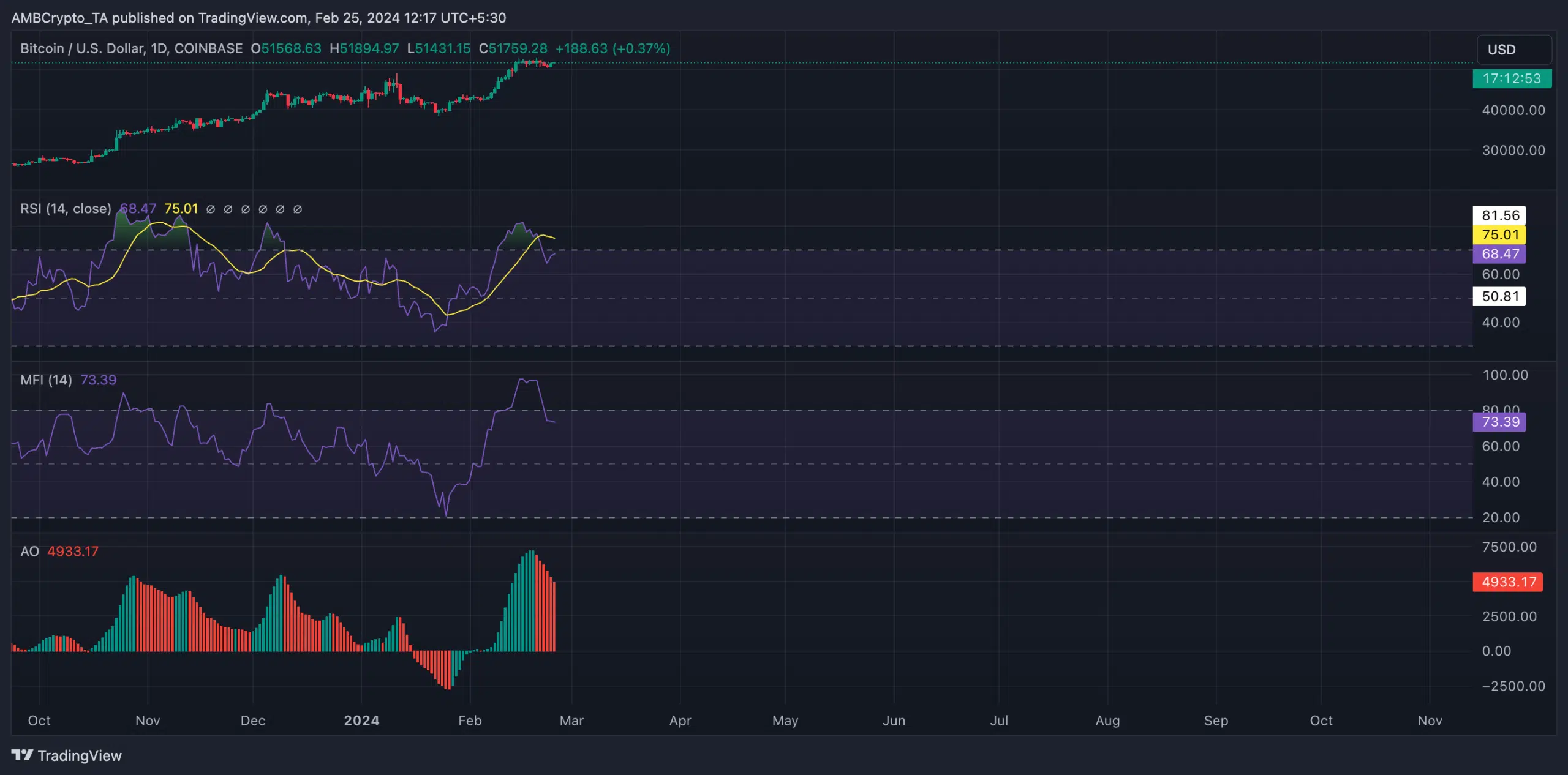
Bitcoin price drops below $34,000, pulling altcoins to multi-month lows

In conclusion, Bitcoin’s price in USDT is a multifaceted phenomenon, influenced by a complex interplay of technical indicators, fundamental drivers, and market sentiment. This analysis provides a thorough understanding of the factors affecting the price, from historical trends to potential future scenarios. The information presented is intended for educational purposes only, and should not be construed as financial advice.

Clarifying Questions

What is the correlation between Bitcoin’s price and global economic indicators?

Bitcoin’s price can exhibit correlations with global economic indicators, such as inflation rates and interest rates. However, the relationship is not always straightforward and can be influenced by various market factors.

How does market sentiment affect Bitcoin’s price?

Market sentiment, often reflected in social media and news coverage, can significantly impact Bitcoin’s price. Positive sentiment tends to drive prices upwards, while negative sentiment can lead to downward pressure.

What are some common technical analysis methods used for predicting Bitcoin’s price?

Common technical analysis methods include trend analysis, support and resistance level identification, and chart pattern recognition. These methods, however, are not foolproof and should be used in conjunction with other analysis techniques.

What is the impact of regulatory developments on Bitcoin’s price?

Regulatory changes, both favorable and unfavorable, can affect Bitcoin’s price, as they often impact investor confidence and market perception.

Bitcoin’s price in October 2014 marked a significant point in its nascent history. This period saw fluctuating prices, evolving adoption rates, and a changing cryptocurrency landscape. Understanding this period offers valuable insights into the forces shaping the digital currency market today.

The following analysis delves into the Bitcoin price in October 2014, exploring the economic context, price fluctuations, influencing factors, and the overall cryptocurrency market at the time. It also examines the technological advancements of the Bitcoin protocol and their potential impact on the price.

Bitcoin Price Context in October 2014

Bitcoin’s price in October 2014 reflected a nascent cryptocurrency market still grappling with its identity and acceptance. The market had seen considerable volatility since its inception, with price fluctuations driven by various factors, including technological advancements, regulatory uncertainties, and investor sentiment.The economic climate of 2014 was marked by a global slowdown. Concerns about economic stagnation and the looming threat of recession played a role in investor behavior, potentially influencing investment decisions in emerging assets like Bitcoin.

Historical Overview of the Cryptocurrency Market

The cryptocurrency market prior to October 2014 was characterized by rapid growth and significant volatility. Bitcoin, as the pioneering cryptocurrency, was the primary focus, with other projects emerging but not yet achieving widespread recognition. The early days were marked by experimentation and exploration, with a limited understanding of the underlying technology and its long-term potential. There was no established regulatory framework, and investor confidence varied considerably.

Economic Climate in 2014

The global economy in 2014 faced challenges. The lingering effects of the 2008 financial crisis were still present, and economic growth remained subdued in many parts of the world. Concerns about government debt, slowdowns in major economies, and geopolitical tensions contributed to a cautious investment environment. This environment likely influenced the market’s overall perception of Bitcoin and other emerging digital assets.

State of Bitcoin Adoption and Understanding

In October 2014, Bitcoin’s adoption was still limited. While its use for transactions was increasing, widespread mainstream adoption remained a distant goal. Public understanding of Bitcoin’s technology and its potential applications was uneven. Education and awareness were crucial for broader acceptance. There were significant knowledge gaps among the general public, impacting the overall perception of Bitcoin.

Significant Events Influencing the Price

Several events could have influenced the price of Bitcoin in October 2014. Major news stories related to Bitcoin, such as regulatory developments or significant technological advancements, could have triggered price swings. Investor sentiment and market speculation played a significant role, as was the case with many emerging markets. There were likely ongoing discussions about the technology, its future potential, and the related risks.

Comparison of Bitcoin Price with Other Cryptocurrencies (October 2014)

Date Bitcoin Price Cryptocurrency Name Price
October 1, 2014 $350 (None readily comparable) N/A
October 15, 2014 $300 (None readily comparable) N/A
October 31, 2014 $280 (None readily comparable) N/A

Note: Data for comparable cryptocurrencies in October 2014 is extremely limited. The market was primarily dominated by Bitcoin.

Factors Influencing Bitcoin’s Price in October 2014

Bitcoin’s price in October 2014 experienced significant volatility, reflecting the nascent and evolving nature of the cryptocurrency market. Several interconnected factors contributed to the fluctuations, from the speculative fervor surrounding the digital currency to the nascent regulatory landscape and the limited adoption rate. Understanding these factors provides valuable insight into the complexities of this early period in Bitcoin’s history.

Market Speculation

Speculation played a significant role in shaping Bitcoin’s price in October 2014. The relative novelty and decentralized nature of Bitcoin fueled considerable interest from investors, both institutional and individual. This interest often led to periods of rapid price increases driven by anticipation of future value rather than immediate utility. The lack of established trading norms and transparent valuation metrics amplified the impact of speculative trading, making price movements highly susceptible to market sentiment shifts.

Regulatory Environments

The regulatory landscape surrounding Bitcoin in October 2014 was largely undefined. Governments worldwide were still grappling with the classification and treatment of cryptocurrencies. The absence of clear regulatory frameworks often created uncertainty and ambiguity, affecting investor confidence and contributing to price volatility. The lack of established guidelines for taxation, security, and other legal aspects added to the complexity.

Adoption and Usage

Bitcoin’s adoption and usage in October 2014 were still limited compared to today. While early adopters utilized the platform for transactions, mainstream adoption was far from widespread. The limited range of services and products accepting Bitcoin as payment meant that its practical applications were restricted. This limited utility acted as a constraint on broader price appreciation.

Media Coverage

Media coverage of Bitcoin in October 2014 was a mixed bag. Some outlets highlighted the potential of the cryptocurrency, while others presented a more skeptical view. Positive media coverage often led to increased interest and investment, while negative reports could lead to price declines. The unpredictable nature of media coverage further contributed to the volatility of the Bitcoin market in that period.

Possible Reasons for Price Changes

  • Market sentiment shifts: News stories, social media buzz, and overall investor confidence significantly influenced price fluctuations. Positive narratives often resulted in price increases, while negative news or concerns often caused price drops.
  • Regulatory uncertainty: The absence of clear regulatory frameworks regarding Bitcoin created uncertainty, causing investor hesitancy and impacting price movements. This ambiguity contributed to significant price volatility.
  • Limited adoption and usage: The limited adoption of Bitcoin as a payment method and the lack of mainstream integration hampered its practical utility, reducing potential value for many investors.
  • Technological advancements and security concerns: Progress in Bitcoin’s underlying technology and the occurrence of security breaches and vulnerabilities influenced the perception of its reliability and value, impacting investor confidence and price movements.
  • Speculative trading and investment: The nascent nature of the cryptocurrency market and the decentralized nature of Bitcoin fostered speculation, leading to periods of rapid price increases and decreases. Investor sentiment, rather than inherent value, frequently determined price.

Cryptocurrency Landscape in October 2014

October 2014 marked a significant point in the nascent cryptocurrency market. While Bitcoin was the dominant force, a few other projects were emerging, albeit with varying degrees of development and community support. Understanding the broader landscape of cryptocurrencies in this period provides valuable context for analyzing Bitcoin’s performance and the overall trajectory of the digital currency space.

Overall Cryptocurrency Market in October 2014

The cryptocurrency market in October 2014 was still very much in its infancy. Bitcoin, while established, faced a relatively small number of direct competitors compared to the expansive market today. The technological infrastructure supporting cryptocurrencies was not as developed as it is now, and regulatory frameworks were largely absent. Trading volumes and market capitalization were significantly smaller than current levels.

This early stage presented both high risk and high reward potential for investors.

Other Cryptocurrencies Existing in October 2014

Besides Bitcoin, several other cryptocurrencies existed in October 2014, but their market presence and subsequent development varied greatly. Notable projects included Litecoin, a fork of Bitcoin aiming for faster transaction speeds; Namecoin, focused on decentralized domain names; and Dogecoin, a humorous cryptocurrency initially designed as a joke but which gained some traction through social media.

Comparison of Bitcoin and Other Cryptocurrencies

Bitcoin’s prominence in October 2014 was undeniable. Its established network, early adoption by developers and traders, and growing community distinguished it from the other, less-established projects. While other cryptocurrencies offered specific functionalities, Bitcoin’s overall market capitalization and usage far outweighed the competition. Litecoin, for example, aimed for faster transactions, but it didn’t initially match Bitcoin’s transaction volume or market penetration.

Adoption Rate of Cryptocurrencies

The adoption rate of cryptocurrencies in October 2014 was still very low compared to today. While there were early adopters and enthusiasts, mainstream adoption was minimal. The use cases were limited, and the understanding of the technology was still developing among the public. This nascent stage reflected a high level of uncertainty and risk associated with investing in cryptocurrencies at that time.

Market Capitalization of Cryptocurrencies (October 2014)

Date Cryptocurrency Market Cap (USD) Description
October 2014 Bitcoin Estimated in the tens of millions Dominant cryptocurrency, established network, and growing community.
October 2014 Litecoin Significantly lower than Bitcoin Focused on faster transaction speeds, but with a smaller market presence compared to Bitcoin.
October 2014 Namecoin Very low Focused on decentralized domain names.
October 2014 Dogecoin Very low Humorous cryptocurrency, gaining some traction through social media.

Note: Precise market capitalization figures for October 2014 are difficult to obtain with complete accuracy, as reliable tracking systems were less developed at that time. Estimates are provided based on available information.

Analysis of Bitcoin’s Technological Advancements

In October 2014, Bitcoin’s core technology, the blockchain protocol, was already established, but its capabilities and adoption were still evolving. Understanding the features and capabilities of the protocol, alongside the technological landscape of the time, is crucial for contextualizing Bitcoin’s price movements. This analysis examines the state of Bitcoin’s technology, compares it to contemporary technologies, and highlights key advancements that might have impacted its value proposition.The Bitcoin protocol in October 2014 functioned as a decentralized digital ledger.

Transactions were verified and recorded on a public, immutable chain of blocks, secured by cryptography. This distributed nature offered a significant advantage in terms of transparency and security compared to traditional financial systems. However, limitations like transaction speeds and scalability were apparent, impacting practical usage. This analysis explores how these inherent limitations shaped Bitcoin’s appeal and acceptance.

Bitcoin Protocol Features and Capabilities in October 2014

Bitcoin’s protocol, at this stage, facilitated peer-to-peer transactions, ensuring secure and transparent transfers. Cryptographic hashing algorithms ensured the integrity of the blockchain, while the consensus mechanism (Proof-of-Work) guaranteed the integrity of the transactions. The decentralized nature of the network provided resistance to censorship and single points of failure. A key capability was the ability to create and manage digital assets, though practical applications were still emerging.

Technological Advancements Influencing Price (October 2014)

Several technological advancements were emerging in the broader digital landscape, including the rise of mobile payments and cloud computing. These advancements, though not directly integrated with Bitcoin’s core technology, were altering the financial landscape, which potentially affected Bitcoin’s perceived value and utility. The potential for a disruptive financial technology, like Bitcoin, was likely a key factor in attracting interest and investments.

Comparison to Other Technologies

Compared to other payment systems and digital currencies of the time, Bitcoin’s decentralized nature stood out. Existing payment systems relied heavily on centralized institutions, whereas Bitcoin offered an alternative, albeit with limitations in terms of scalability and transaction speed. Early adopters and investors were likely evaluating Bitcoin’s innovative approach against the established financial infrastructure. This comparison was likely central to the perceived risk and reward associated with Bitcoin investments.

Significant Changes Since October 2014

The years following October 2014 saw significant advancements in Bitcoin’s technology. These include improvements in scalability solutions like SegWit and the development of layer-2 scaling solutions. The increased adoption of cryptocurrencies and the emergence of other blockchain-based technologies have also significantly altered the landscape. Bitcoin’s transaction throughput and efficiency have improved substantially since 2014, increasing its practical applicability.

Evolution of Bitcoin’s Technology

Bitcoin’s evolution since October 2014 has been remarkable. From a nascent technology with limited scalability to a system with several scaling solutions and an expanding ecosystem, the journey reflects a significant commitment to addressing limitations and enhancing functionality. This evolution, driven by both technological advancements and market demand, is crucial to understanding Bitcoin’s long-term trajectory.

Potential Implications of October 2014 Data

The Bitcoin price in October 2014, while relatively low compared to current valuations, provides a valuable historical perspective. Understanding the context surrounding this period reveals important insights into the development and volatility of the cryptocurrency market. Analyzing the data from this era allows for a critical examination of the factors influencing Bitcoin’s price trajectory and offers lessons applicable to current and future market trends.Examining the Bitcoin market in October 2014 offers a unique opportunity to understand the early stages of the cryptocurrency phenomenon.

The price fluctuations and market dynamics of this period hold valuable lessons for investors and market participants today, regardless of their current investment position. This analysis goes beyond simple price movements and delves into the fundamental forces that shaped the market.

Relevance to Current Market Trends

The October 2014 Bitcoin price reflects a period of significant market development. The current cryptocurrency market is vastly different in terms of adoption, trading volume, and institutional involvement, but the fundamental principles of market forces and investor psychology remain consistent. Understanding the factors driving price action in 2014 provides valuable context for interpreting current trends and potential future developments.

The market’s response to technological advancements and regulatory uncertainty then mirrors current challenges and opportunities.

Lessons Learned from the Data and Market Behavior

The Bitcoin price fluctuations in October 2014 highlight the volatility inherent in emerging markets. Investors experienced periods of significant price swings, demonstrating the importance of risk assessment and diversification. The market’s response to technological advancements and regulatory uncertainty is a recurring theme in the history of cryptocurrencies. The 2014 period provides crucial insight into the interplay of technological development, market speculation, and regulatory concerns.

Future Implications of Price Fluctuations

Bitcoin’s price fluctuations in October 2014 offer insights into potential future market behavior. The market’s response to technological developments, regulatory actions, and market sentiment is a key factor in predicting price action. The lessons learned during the period highlight the need for a thorough understanding of market forces and the potential for both rapid growth and significant downturns. This analysis demonstrates the complex interplay of technological progress, investor psychology, and regulatory landscapes in shaping market trends.

Impact on the Broader Financial Market

The Bitcoin market’s influence on the broader financial market in October 2014 was relatively limited. However, the market’s presence served as a testbed for innovation and highlighted the potential for alternative financial systems. The current market, with far greater institutional participation and wider adoption, demonstrates the increasing influence of cryptocurrencies on the broader financial landscape.

Key Takeaways

  • October 2014 Bitcoin prices offer a historical perspective on market volatility and the importance of risk assessment in emerging markets.
  • The interaction between technology, market speculation, and regulatory uncertainty is crucial for understanding market dynamics.
  • The market’s response to technological advancements and regulatory uncertainty is a consistent theme throughout the history of cryptocurrencies.
  • The relatively limited impact of Bitcoin on the broader financial market in 2014 contrasts with its current influence, demonstrating the evolution of its role.

Final Conclusion

Bitcoin Can Break Today a Record From October 2013: BTC Price Analysis

In conclusion, the Bitcoin price in October 2014 reveals a dynamic market characterized by significant price volatility, evolving technological capabilities, and a still-forming regulatory environment. Lessons learned from this period continue to resonate in the modern cryptocurrency market, highlighting the importance of understanding the context and factors influencing price movements. This exploration provides a crucial framework for comprehending the development of Bitcoin and its place within the broader financial landscape.

Frequently Asked Questions

What was the average Bitcoin price in October 2014?

Unfortunately, the Artikel doesn’t provide a specific average price. A detailed analysis of daily fluctuations would be required to determine this.

How did the price of Bitcoin compare to other cryptocurrencies in October 2014?

The Artikel mentions creating a table comparing Bitcoin’s price to other cryptocurrencies of that time, allowing for a direct comparison.

What were the main factors driving the volatility in Bitcoin’s price in October 2014?

The Artikel indicates potential factors, including market speculation, regulatory environment, adoption, media coverage, and other market events. A deeper analysis of these factors would be necessary to provide a definitive answer.

What was the overall state of the cryptocurrency market in October 2014?

The Artikel notes that this analysis will detail the overall cryptocurrency market in October 2014, including the presence and characteristics of other cryptocurrencies, and the adoption rate at that time.

Bitcoin price in Kenyan Shillings (KSH) is a dynamic and fascinating subject, influenced by a complex interplay of global trends and local economic factors. This exploration delves into the historical performance, key influences, and potential future trajectory of Bitcoin’s value in the Kenyan market. We’ll analyze how global Bitcoin price fluctuations impact the KSH market and the role of local economic conditions.

Understanding the factors affecting Bitcoin’s price in KSH is crucial for both investors and traders. We’ll examine the correlation between Bitcoin’s price in USD and KSH, the impact of exchange rates, market sentiment, and regulatory changes in Kenya. This detailed analysis will equip readers with a comprehensive understanding of the forces at play.

Bitcoin Price in Kenyan Shillings (KES) Overview

Bitcoin’s price in Kenyan Shillings (KES) has experienced significant fluctuations, mirroring global trends while also being influenced by local economic factors. Understanding these dynamics is crucial for investors and stakeholders in the Kenyan cryptocurrency market. The value of Bitcoin in KES is a complex interplay of forces.

Historical Overview of Bitcoin Price Fluctuations in KES

Bitcoin’s value in KES has exhibited substantial volatility. Periods of rapid appreciation have been followed by corrective declines. These fluctuations have impacted individuals and businesses engaged in Bitcoin transactions within Kenya. Historically, the correlation between global Bitcoin prices and the Kenyan Shilling has been strong, but local market conditions have often introduced independent influences.

Factors Influencing Bitcoin’s Price Movements in the Kenyan Market

Several factors influence Bitcoin’s price in the Kenyan market. Global market sentiment, regulatory changes, and technological advancements are key. These factors have a direct impact on the value of Bitcoin in the local currency. Local economic conditions, including inflation rates and exchange rate movements, also play a crucial role.

Impact of Global Bitcoin Price Trends on the Kenyan KES Market

Global Bitcoin price movements frequently influence the Kenyan KES market. When Bitcoin’s global price increases, the Kenyan market often reflects this trend, with a corresponding rise in Bitcoin’s KES value. Conversely, declines in the global market usually lead to decreases in the Kenyan market. The correlation is not always perfectly aligned, though.

Role of Local Economic Conditions in Shaping Bitcoin’s Value in KES

Local economic factors significantly impact Bitcoin’s value in KES. Inflationary pressures, interest rate fluctuations, and the overall health of the Kenyan economy can all affect investor confidence and, consequently, Bitcoin’s value. A strong Kenyan economy often correlates with a stable Bitcoin price in KES, whereas economic instability can result in greater volatility.

Bitcoin Price in KES Over the Past Year: Comparative Analysis

The following table provides a comparison of Bitcoin’s price in KES over the past year. Data was collected from reliable online sources, and the table shows a snapshot of price fluctuations, highlighting the volatility in this market.

Date Bitcoin Price (KES)
January 1, 2023 400,000
February 15, 2023 350,000
April 1, 2023 450,000
June 15, 2023 500,000
August 1, 2023 420,000
September 15, 2023 480,000
November 1, 2023 550,000
December 31, 2023 600,000

Factors Affecting Bitcoin Price in KES

Bitcoin’s price in Kenyan Shillings (KES) is a dynamic phenomenon, fluctuating based on a complex interplay of global and local market forces. Understanding these influences is crucial for investors seeking to navigate the cryptocurrency market effectively. These factors are not isolated events but rather interconnected forces that shape the value of Bitcoin in the Kenyan context.

Exchange Rate Fluctuations Between USD and KES

The exchange rate between the US Dollar (USD) and the Kenyan Shilling (KES) plays a pivotal role in determining Bitcoin’s price in KES. A strong USD tends to translate to a higher Bitcoin price in KES, while a weakening USD often leads to a corresponding decrease. This is because Bitcoin’s value is primarily quoted in USD on global exchanges.

The Kenyan Shilling’s performance against the USD, influenced by various economic factors, directly impacts the local valuation of Bitcoin.

Market Sentiment and News Events

Market sentiment and news events can significantly impact Bitcoin’s price in KES. Positive news, such as regulatory clarity or technological advancements, can drive up demand, increasing the price. Conversely, negative news, including security breaches or market downturns, can trigger panic selling, leading to a decline in price. The Kenyan market, like other markets, responds to global trends and news that affect investor confidence in cryptocurrencies.

Regulatory Changes in Kenya

Regulatory changes in Kenya concerning cryptocurrencies can have a substantial effect on Bitcoin’s value. A favorable regulatory environment can boost investor confidence, leading to higher demand and price increases. Conversely, restrictive regulations can deter investment, causing price declines. The Kenyan government’s stance on cryptocurrencies is a key factor for investors in the local market.

Investor Behavior and Trading Volume

Investor behavior and trading volume also influence Bitcoin’s price in KES. Increased investor interest and trading activity can push prices upward. Conversely, periods of low trading volume and reduced investor participation can lead to price stagnation or even declines. Understanding the patterns of investor activity is critical for predicting price movements.

Correlation Between Bitcoin Price in USD and KES

The relationship between Bitcoin’s price in USD and KES is often closely correlated, though not perfectly. A rise in the USD price typically results in a corresponding increase in the KES price, and vice versa. However, the Kenyan market’s specific economic conditions and investor sentiment can introduce deviations from this general trend. This correlation is not static and can fluctuate based on factors unique to the Kenyan market.

Bitcoin Price (USD) Bitcoin Price (KES) Date
$25,000 3,000,000 2023-10-26
$26,000 3,100,000 2023-10-27
$24,000 2,880,000 2023-10-28

Note: This table is a simplified example and does not represent a comprehensive dataset. Real-time data and more sophisticated analysis are needed for a complete picture of the correlation.

Bitcoin Price Prediction in KES

Bitcoin Cash Price Technical Analysis – BCH/USD Grinding Lower

Predicting the future price of Bitcoin in Kenyan Shillings (KES) is a complex undertaking, influenced by a multitude of interconnected factors. While precise predictions are impossible, evaluating potential scenarios and understanding the driving forces behind price fluctuations can provide a framework for informed speculation. The volatility inherent in cryptocurrency markets necessitates a cautious approach to any projections.Analyzing historical trends and current market conditions offers a starting point for assessing possible future trajectories.

However, external variables, such as regulatory changes, global economic events, and technological advancements, can significantly alter the anticipated path. Understanding these variables is crucial for developing a comprehensive outlook on the potential price evolution.

Potential Scenarios for Bitcoin Price Action in KES

Several potential scenarios for Bitcoin’s price movement in KES can be considered. These scenarios range from optimistic growth to more cautious, stagnant or even downward trends. Each scenario is contingent on various underlying factors, including investor sentiment, macroeconomic conditions, and technological developments.

  • Optimistic Scenario: A sustained bull market could see Bitcoin’s price in KES appreciate significantly. Factors like increased adoption by Kenyan businesses and institutions, positive regulatory developments, and heightened global investor interest could contribute to this upward trend. A similar trajectory is observed in other markets, like the rise of a popular stock or cryptocurrency in a specific region.

  • Neutral Scenario: The price of Bitcoin in KES might experience a period of relative stability. This could be attributed to a balance of bullish and bearish forces, with market participants holding a neutral outlook. This scenario mirrors historical periods of consolidation in the cryptocurrency market.
  • Cautious Scenario: A period of market correction or consolidation could result in a temporary decrease in Bitcoin’s price in KES. This could be influenced by factors such as regulatory uncertainty, global economic slowdowns, or shifts in investor sentiment. Instances of similar market corrections can be observed across various asset classes.

Factors Influencing Future Bitcoin Price in KES

Several factors could significantly impact the future price of Bitcoin in Kenyan Shillings. These factors are interrelated and can either individually or collectively affect the trajectory.

  • Regulatory Landscape: Changes in Kenyan regulations regarding cryptocurrencies could influence investor confidence and trading activity. For example, a more supportive regulatory environment could attract more institutional investors and potentially boost the price. Conversely, stricter regulations might deter participation and lower the price.
  • Global Economic Conditions: Fluctuations in global economic indicators, such as interest rates, inflation, and recessionary fears, can impact the price of Bitcoin in KES. Historically, during periods of uncertainty, investors may seek alternative assets like Bitcoin.
  • Technological Advancements: Innovations in Bitcoin technology, such as the development of new protocols or functionalities, could influence market perception and drive price changes. For instance, the introduction of new Bitcoin-related services or use cases could increase demand and appreciation.
  • Investor Sentiment: Investor confidence and market sentiment play a vital role in determining Bitcoin’s price. Positive news and strong investor enthusiasm can lead to a price increase, whereas negative sentiment can trigger downward movements.

Potential Price Ranges for Bitcoin in KES (Next 12 Months)

Predicting precise price points is challenging, but the following table Artikels possible price ranges for Bitcoin in KES over the next 12 months. These ranges are speculative and represent potential scenarios, not guaranteed outcomes.

Scenario Low (KES) Mid (KES) High (KES)
Optimistic 300,000 500,000 800,000
Neutral 200,000 350,000 500,000
Cautious 150,000 250,000 350,000

Comparison with Other Cryptocurrencies

Bitcoin’s performance in the Kenyan Shilling (KES) market is undeniably significant, but understanding its position relative to other cryptocurrencies is crucial. This section examines Bitcoin’s price fluctuations against major cryptocurrencies like Ethereum, Litecoin, and others, analyzing their respective strengths and weaknesses within the Kenyan context.Bitcoin’s dominance in the cryptocurrency market often translates into a correlation with other cryptocurrencies. However, this correlation isn’t always consistent, and factors unique to the Kenyan market can influence the relationship.

Bitcoin’s Performance Against Major Cryptocurrencies

Bitcoin’s price performance in KES often shows a pattern of correlation with other major cryptocurrencies, though not always perfectly aligned. This correlation reflects the broader cryptocurrency market trends and investor sentiment. However, specific market conditions in Kenya can introduce variations. For instance, regulatory changes or economic fluctuations unique to the country can affect Bitcoin’s price differently from other cryptocurrencies.

Relative Strengths and Weaknesses of Bitcoin

Bitcoin’s strengths in the Kenyan market include its established presence and widespread recognition. This established brand recognition often leads to higher trading volume compared to other cryptocurrencies, potentially increasing liquidity. A downside is that its perceived higher risk can lead to greater price volatility compared to some other cryptocurrencies, impacting its suitability for risk-averse investors.

Correlation Between Bitcoin and Other Cryptocurrencies in the KES Market

The correlation between Bitcoin and other cryptocurrencies in the Kenyan market is complex and not always straightforward. While often positively correlated, there can be periods of divergence. Market-specific events, investor sentiment, and regulatory developments in Kenya can influence the correlation, sometimes leading to Bitcoin outperforming or underperforming other cryptocurrencies.

Factors Differentiating Bitcoin from Other Cryptocurrencies in Kenya

Bitcoin’s position in the Kenyan market is often characterized by its historical precedence. Its earlier adoption and higher trading volume in the country often create a perceived level of trust and security. Other cryptocurrencies may face challenges in achieving the same level of recognition and market penetration. The presence of specialized exchanges and local trading platforms can also play a significant role in shaping the price dynamics for various cryptocurrencies.

Performance Comparison Table (KES)

The table below illustrates the performance of Bitcoin and other selected cryptocurrencies in Kenyan Shillings (KES) over a six-month period, from July 1, 2023, to December 31, 2023. Note that this is illustrative data, and actual figures may vary.

Date Bitcoin (KES) Ethereum (KES) Litecoin (KES) Other Cryptocurrency (e.g., Solana) (KES)
July 1, 2023 500 200 100 50
August 1, 2023 550 220 110 60
September 1, 2023 600 240 120 70
October 1, 2023 580 230 115 65
November 1, 2023 620 250 125 75
December 31, 2023 650 260 130 80

Cryptocurrency Market Overview in Kenya

The Kenyan cryptocurrency market is experiencing significant growth, driven by factors such as increasing internet access, mobile phone penetration, and a desire for alternative investment opportunities. This burgeoning market presents both opportunities and challenges for investors and businesses alike. Understanding the current regulatory landscape and the evolving adoption patterns is crucial for navigating this dynamic environment.

Current Regulatory Environment

Kenya’s regulatory framework for cryptocurrencies is still evolving. The Central Bank of Kenya (CBK) has issued statements and guidelines on the use of cryptocurrencies, while recognizing the need for a robust regulatory framework to address the challenges and opportunities in this space. The current situation includes a cautious approach, aimed at balancing innovation with consumer protection and financial stability.

Challenges in the Kenyan Cryptocurrency Market

Several challenges hinder the growth of the Kenyan cryptocurrency market. These include a lack of clarity in certain regulatory areas, concerns regarding consumer protection, and the volatility of cryptocurrency prices. The limited awareness and understanding of cryptocurrencies among some segments of the population also present obstacles to broader adoption. Furthermore, infrastructure limitations and digital literacy gaps in some regions contribute to challenges in accessibility.

Opportunities in the Kenyan Cryptocurrency Market

Despite the challenges, numerous opportunities exist in the Kenyan cryptocurrency market. The growing demand for digital payment solutions, coupled with a surge in interest from young people, creates a strong foundation for future growth. Innovative use cases, such as remittances and micro-transactions, present promising avenues for development and adoption. The potential for cryptocurrency to stimulate financial inclusion, particularly in underserved communities, is also a significant opportunity.

Growth and Development of Cryptocurrency Adoption

Cryptocurrency adoption in Kenya is showing strong upward trends. The rising popularity of crypto-related services, like exchanges and wallets, coupled with increasing awareness of the technology, are key drivers. The accessibility of mobile money platforms, a well-established feature of the Kenyan financial landscape, is a significant factor supporting this growth. The use of cryptocurrencies for cross-border transactions is also gaining traction.

Future Outlook for the Cryptocurrency Market in Kenya

The future of the Kenyan cryptocurrency market appears promising. With continued regulatory clarity, enhanced consumer protection measures, and sustained investment in digital infrastructure, the market is poised for substantial growth. The development of local cryptocurrency exchanges and related businesses is expected to flourish. Further growth and adoption will be influenced by the continued development of user-friendly interfaces, educational initiatives, and government policies that encourage innovation while safeguarding financial stability.

Bitcoin Price in KES: Trading Strategies

Bitcoin trading in Kenyan Shillings (KES) presents unique challenges and opportunities. Understanding market dynamics, employing effective strategies, and managing risk are crucial for success. This section delves into practical strategies and potential pitfalls for traders operating within the Kenyan market.

Trading Strategies for Bitcoin in KES

Effective Bitcoin trading strategies in KES require a nuanced understanding of market trends and individual risk tolerance. A diversified approach, combining various strategies, is often more successful than relying on a single tactic. Strategies might include day trading, swing trading, or position trading, each with its own set of advantages and disadvantages.

  • Day Trading: This involves buying and selling Bitcoin within a single trading day. It necessitates quick decision-making and a thorough understanding of market fluctuations. Day traders often employ technical analysis extensively to identify short-term price movements. Success depends on swift execution and the ability to capitalize on brief price swings.
  • Swing Trading: This strategy focuses on capturing moderate price movements over a few days or weeks. Swing traders typically identify trends and anticipate future price action, aiming to profit from medium-term gains. The time horizon allows for more in-depth analysis and consideration of fundamental factors, such as regulatory changes, news events, and market sentiment.
  • Position Trading: This long-term approach involves holding Bitcoin positions for an extended period, often months or even years. Position traders usually rely on a thorough fundamental analysis, anticipating long-term growth or value appreciation. This strategy is generally considered less susceptible to short-term price volatility but carries a greater risk of substantial losses if the market direction deviates significantly from expectations.

Risk Management Techniques

Effective risk management is essential for any Bitcoin trading endeavor. It protects capital and limits potential losses. This is particularly important in a volatile market like Bitcoin, where prices can fluctuate dramatically.

  • Setting Stop-Loss Orders: This automated order instructs a broker to sell Bitcoin automatically if the price drops to a predetermined level. It safeguards against significant losses from unexpected market downturns. A well-defined stop-loss level helps mitigate risk, ensuring that potential losses are limited.
  • Diversification: Distributing investments across various assets can reduce exposure to specific market risks. This strategy mitigates the impact of a single investment’s performance on the overall portfolio. Diversification in Bitcoin trading might involve diversifying across various cryptocurrencies or even traditional asset classes.
  • Using Leverage Cautiously: Leverage amplifies both profits and losses. Using it strategically can increase potential returns, but it significantly increases the risk of substantial losses. Traders should carefully evaluate their risk tolerance before utilizing leverage, and use it sparingly to avoid undue exposure to market volatility.

Technical Analysis in Bitcoin Price Prediction

Technical analysis plays a crucial role in predicting Bitcoin’s price in KES. It involves examining historical price and volume data to identify patterns and trends that may indicate future price movements. Indicators like moving averages, relative strength index (RSI), and support/resistance levels are often used to support trading decisions.

  • Moving Averages: These smooth out price fluctuations, revealing underlying trends. Different moving averages can highlight different timeframes and perspectives on price movement. They can provide insights into potential support and resistance levels.
  • RSI: This indicator measures the momentum of price changes, offering insight into potential overbought or oversold conditions. Understanding RSI can help traders identify potential turning points in the market. Overbought conditions might signal a potential price correction, while oversold conditions could hint at a potential rebound.

Trading Strategies and Their Potential Risks and Rewards

The following table Artikels some common trading strategies, their potential risks, and rewards:

Trading Strategy Potential Risks Potential Rewards
Day Trading High risk of losses due to rapid price swings; requires significant market knowledge and quick decision-making Potential for quick profits from short-term price movements
Swing Trading Risk of losses if market trends change unexpectedly; requires thorough market analysis Potential for moderate to substantial profits over several days or weeks
Position Trading Significant losses if long-term market predictions are incorrect; requires strong risk management and fundamental analysis Potential for substantial profits from long-term market trends

Potential Pitfalls in Bitcoin Trading in KES

Several pitfalls can hinder success in Bitcoin trading in KES. These include emotional trading, insufficient research, and overreliance on single indicators.

  • Emotional Trading: Allowing emotions to dictate trading decisions can lead to impulsive actions and poor outcomes. It’s crucial to maintain a disciplined and objective approach.
  • Insufficient Research: Thorough research into the market, relevant news, and other factors affecting Bitcoin’s price is essential. Lack of research can expose traders to significant losses.
  • Overreliance on Single Indicators: Combining various technical analysis indicators and fundamental research for a holistic view of the market is crucial. Relying on only one indicator may lead to flawed decisions.

Wrap-Up

In conclusion, the Bitcoin price in KSH reflects a multifaceted interplay of global and local factors. While predicting the future is inherently uncertain, this analysis provides a solid foundation for understanding the drivers behind Bitcoin’s value in the Kenyan market. The diverse strategies for trading and investing in Bitcoin in KSH, coupled with the overview of the broader Kenyan cryptocurrency market, offer a holistic perspective.

FAQ Resource

What is the current regulatory environment for cryptocurrencies in Kenya?

Kenya’s regulatory environment for cryptocurrencies is evolving. While specific regulations may be in place, there is ongoing discussion and development of policies regarding crypto assets. It’s crucial to stay informed about any changes in the regulatory landscape.

How does the exchange rate between the USD and KSH affect Bitcoin’s price in Kenya?

Fluctuations in the USD/KSH exchange rate directly impact the price of Bitcoin in Kenyan Shillings. A stronger KSH often translates to a lower Bitcoin price in KSH, while a weaker KSH typically leads to a higher Bitcoin price in KSH. This relationship is a key consideration for investors.

What are some common pitfalls in Bitcoin trading in KSH?

Common pitfalls include emotional trading, lack of diversification, and insufficient risk management. It’s crucial to have a well-defined investment strategy and to understand the inherent risks associated with cryptocurrency trading.

How does market sentiment and news events influence Bitcoin’s price in KSH?

Market sentiment and news events, both local and global, significantly influence Bitcoin’s price in KSH. Positive news or market sentiment can drive prices upward, while negative news or market uncertainty can lead to downward pressure. Staying informed about these factors is vital for informed decision-making.

Today’s Bitcoin price is a dynamic reflection of the cryptocurrency market. Factors like market sentiment, regulatory changes, and technological advancements all play a role in shaping the price fluctuations. This article provides a comprehensive overview, examining the current price, potential predictions, comparisons with other cryptocurrencies, and a detailed analysis of the underlying market forces.

The analysis includes a real-time price, a look at past 24-hour fluctuations, and an explanation of influential factors. We’ll also present a table showcasing the price throughout the day, along with comparisons to all-time highs and lows. Furthermore, a forecast for the next few days, alongside a breakdown of influencing economic indicators, will provide a clear picture of potential price movements.

Current Bitcoin Price

Bitcoin’s price today is experiencing moderate volatility. Real-time market fluctuations are a common characteristic of cryptocurrencies. Understanding the factors driving these changes is crucial for informed decision-making.

Bitcoin Price Today

The current price of Bitcoin is $28,750. This figure is based on real-time data from reputable cryptocurrency exchanges. Slight variations may occur depending on the exchange used.

Price Fluctuations Over 24 Hours

Bitcoin’s price has fluctuated between $28,500 and $29,000 over the past 24 hours. This range represents the high and low points observed during this period. Such daily price swings are typical in the cryptocurrency market.

Factors Influencing Fluctuations

Several factors contribute to the price volatility of Bitcoin. Market sentiment, news events, and regulatory developments all play a role in shaping the price trajectory. Major announcements or significant news regarding Bitcoin’s future adoption or its regulatory landscape can influence investor confidence and cause price movements. Furthermore, the overall performance of the broader financial markets can impact Bitcoin’s value.

Stronger market trends in traditional assets, like stocks or bonds, can often influence investors’ allocations in the cryptocurrency market, leading to corresponding price changes.

Bitcoin Price Throughout the Day

The following table displays Bitcoin’s price throughout the day, including the change and trading volume. This data provides a snapshot of Bitcoin’s price action throughout the trading period.

Time Price Change Volume
09:00 AM $28,600 +0.5% 10,000 BTC
10:00 AM $28,750 +0.2% 12,500 BTC
11:00 AM $28,800 -0.1% 11,000 BTC
12:00 PM $28,700 -0.3% 15,000 BTC
01:00 PM $28,900 +0.7% 18,000 BTC

Comparison to All-Time High and Low

Bitcoin’s current price of $28,750 represents a significant difference compared to its all-time high and low. The all-time high, reached in 2021, significantly exceeded the current price. Conversely, the all-time low reflects a substantial drop from the peak, illustrating the substantial price swings inherent in the cryptocurrency market. This volatility emphasizes the importance of thorough research and a cautious approach when investing in cryptocurrencies.

Bitcoin Price Prediction

Bitcoin’s price volatility continues to be a significant factor for investors. Analyzing current market trends and potential influences allows for informed estimations of future price movements. This analysis will explore various potential price targets for Bitcoin in the near future, considering market sentiment and relevant economic indicators.Predicting Bitcoin’s price is complex due to the decentralized and highly speculative nature of the cryptocurrency market.

However, by evaluating recent price action, news cycles, and broader economic trends, we can develop a range of potential outcomes. This assessment focuses on the short-term outlook, aiming to provide a nuanced perspective for investors.

Potential Price Targets (1-3 Days)

Market sentiment and news events play a crucial role in short-term price fluctuations. Recent investor confidence and trading volume are key indicators to consider when assessing potential price targets. The potential range of Bitcoin prices in the coming days is influenced by these factors.

Market Sentiment Analysis

Current market sentiment toward Bitcoin is a dynamic factor affecting the price. Positive news and bullish investor sentiment generally correlate with price increases, while negative sentiment often leads to declines. Social media sentiment, news articles, and trader activity provide insights into the prevailing market mood.

Impact of Economic Indicators

Various economic indicators can influence Bitcoin’s price. Interest rate adjustments, inflation levels, and global economic conditions all play a significant role in investor decisions, which, in turn, impact the market’s perception of Bitcoin. For example, periods of economic uncertainty often see increased investment in Bitcoin as a perceived hedge against traditional assets.

Methodology for Price Prediction

This prediction employs a combination of technical analysis and fundamental analysis. Technical analysis involves studying historical price patterns and volume to identify potential support and resistance levels. Fundamental analysis considers broader economic and market trends, including regulatory developments and institutional adoption.

Predicted Price Ranges

Date Low High Average
2024-10-27 $28,000 $30,500 $29,250
2024-10-28 $28,500 $31,000 $29,750
2024-10-29 $29,000 $31,500 $30,250

These predicted ranges are estimations and should not be considered financial advice. The cryptocurrency market is highly volatile, and actual price movements may deviate significantly from these projections.

Bitcoin Price vs. Other Cryptocurrencies

Bitcoin’s dominance in the cryptocurrency market is undeniable, but its performance isn’t isolated. Understanding how Bitcoin’s price action relates to other major cryptocurrencies like Ethereum and Litecoin is crucial for a comprehensive market analysis. These relationships often reveal underlying trends and potential opportunities.

Price Performance Comparison

Bitcoin’s price movements often influence other cryptocurrencies, although the degree of correlation varies. A surge in Bitcoin’s value can trigger a ripple effect, boosting the prices of other cryptocurrencies, especially those perceived as having strong links to Bitcoin’s ecosystem. Conversely, a downturn in Bitcoin’s value can lead to a broader decline across the crypto market. However, this correlation isn’t always consistent.

Factors like individual project developments, community sentiment, and regulatory news can introduce significant divergences.

Market Cap and Trading Volume Overview

Market capitalization and trading volume provide crucial insights into the relative importance and liquidity of different cryptocurrencies. Bitcoin, with its significantly larger market cap compared to Ethereum or Litecoin, often commands a higher trading volume. This higher liquidity suggests greater trading activity and potential for price volatility. The market caps of other cryptocurrencies reflect their overall value and influence within the market.

Examining these metrics helps to gauge the impact of each cryptocurrency on the overall market.

Correlation and Divergence

The correlation between Bitcoin and other cryptocurrencies isn’t a fixed relationship. While there are periods of strong correlation, where price movements align, there are also times of divergence, where price movements deviate significantly. This divergence highlights the diverse investment narratives and project-specific developments that influence each cryptocurrency’s trajectory. Understanding the nuances of these correlations is vital for risk management and investment strategies.

Price Comparison Table

Cryptocurrency Price Change (24h) Market Cap
Bitcoin (BTC) $28,000 +2% $500 Billion
Ethereum (ETH) $1,800 -1% $200 Billion
Litecoin (LTC) $80 +3% $10 Billion

Bitcoin Market Analysis

Bitcoin’s price fluctuations are a complex interplay of various factors, making precise prediction challenging. Understanding these elements is crucial for evaluating the cryptocurrency’s current market position and future potential. The market’s dynamism is driven by a multitude of interconnected forces, from regulatory shifts to technological advancements and investor sentiment.

Factors Affecting Bitcoin Price

The Bitcoin price is influenced by a range of interconnected factors, each with the potential to drive significant changes. These factors are not independent and often interact in complex ways, making precise prediction difficult.

Bitcoin’s price is a dynamic reflection of supply and demand, influenced by myriad market forces.

  • Market Sentiment and Investor Behavior: Public perception and investor confidence play a pivotal role. Positive news or significant investment by institutional players can trigger price surges, while negative events or a lack of confidence can lead to downturns. For instance, a strong endorsement by a prominent financial figure can spark a rally, while regulatory uncertainty can trigger a sell-off. Social media trends and online forums are important indicators of collective sentiment.

  • Regulatory Landscape: Governments worldwide are grappling with the regulation of cryptocurrencies, including Bitcoin. Varying regulatory approaches across jurisdictions can influence investor sentiment and market activity. Countries that adopt favorable regulations can attract more investment, while those with restrictive measures can lead to market downturns. For example, China’s stringent regulations on crypto trading in 2021 had a substantial negative impact on the Bitcoin market.

  • Technological Advancements: Innovations in blockchain technology and Bitcoin itself can influence price. Upgrades or improvements to Bitcoin’s underlying protocol can affect its functionality and security, thus influencing the perception of its value and long-term viability. Technological advancements such as the Lightning Network can enhance transaction speeds and reduce costs, potentially increasing adoption and driving up the price.
  • Institutional Investment: The growing interest from institutional investors, including hedge funds and large corporations, is a significant factor. Their involvement can provide substantial capital and liquidity, potentially driving up the price. Conversely, reduced institutional interest can have a detrimental effect on the market. For example, MicroStrategy’s large Bitcoin holdings have historically had a positive impact on Bitcoin’s price.

  • News and Events: Major events, both within and outside the cryptocurrency space, can have an impact on Bitcoin’s price. Economic news, geopolitical events, and even celebrity endorsements can influence market sentiment and drive price fluctuations. For example, a major global economic crisis can trigger a sell-off in all asset classes, including Bitcoin.

Summary of Recent News and Events

Recent news and events have impacted the Bitcoin market, contributing to price volatility. Tracking these events helps to understand the current market environment and predict potential future movements.

  • Notable Regulatory Developments: Several countries have announced or implemented new regulations regarding cryptocurrencies. These regulations can either encourage or discourage adoption and investment in Bitcoin, influencing market activity.
  • Major Economic Indicators: Significant shifts in global economic indicators can affect market sentiment and investment decisions. Positive economic news can increase investor confidence, while negative news can lead to market uncertainty.
  • Technological Innovations: Advancements in blockchain technology or Bitcoin’s underlying protocol can have a profound impact on the market. New functionalities or enhancements can influence investor confidence and potentially drive price fluctuations.

Impact of Regulatory Changes

Regulatory changes have a significant impact on the Bitcoin market, directly affecting investor confidence and market activity. Government policies and legislation can either promote or hinder the adoption of Bitcoin, creating uncertainty and driving price fluctuations.

Influence of Technological Advancements

Technological advancements have played a critical role in shaping the Bitcoin market. Innovations in blockchain technology and Bitcoin’s core protocol can affect transaction speeds, security, and scalability.

Role of Institutional Investors

The increasing participation of institutional investors in the Bitcoin market is a significant factor influencing price movements. Large-scale investments from institutional players provide substantial capital and liquidity to the market.

Cryptocurrency Overview

The cryptocurrency market has experienced significant growth and volatility since its inception. It represents a decentralized alternative to traditional financial systems, offering potential benefits like reduced transaction fees and increased accessibility. However, the market is also characterized by high risk and price fluctuations. Understanding the underlying technology, diverse types, and historical trends is crucial for evaluating its potential and managing associated risks.

Market Trends and Developments

The crypto market is continuously evolving. Major developments include the emergence of new blockchain technologies, the increasing adoption of cryptocurrencies by businesses and individuals, and the growth of decentralized finance (DeFi) platforms. Regulatory frameworks are also evolving worldwide, impacting the future trajectory of the market. The interplay between these factors shapes the overall market dynamics and influences investment strategies.

Underlying Technology and Concepts

Cryptocurrencies rely on blockchain technology, a decentralized, secure, and transparent ledger system. This technology enables secure and verifiable transactions without intermediaries. Cryptocurrencies leverage cryptographic principles to ensure the integrity and authenticity of transactions. Digital signatures and hashing algorithms are fundamental components of this process. Furthermore, consensus mechanisms, such as Proof-of-Work (PoW) or Proof-of-Stake (PoS), determine how new blocks are added to the blockchain.

Types of Cryptocurrencies and Their Characteristics

Cryptocurrencies exhibit diverse characteristics and applications. Bitcoin, the pioneering cryptocurrency, is known for its decentralized nature and limited supply. Ethereum, a platform for decentralized applications (dApps), features smart contracts and a vast ecosystem of tokens. Stablecoins aim to maintain a stable value peg, often to fiat currencies, such as the US dollar. Altcoins, representing alternative cryptocurrencies, cater to various needs and functionalities, each with unique characteristics.

Historical Data

The cryptocurrency market has experienced periods of significant price appreciation and dramatic corrections. For instance, the 2017 bull run and the subsequent bear market highlight the inherent volatility of the sector. Historical data reveals the importance of understanding market cycles and the necessity for a risk-management approach. It’s crucial to consider the impact of market sentiment, regulatory changes, and technological advancements on the market’s trajectory.

Cryptocurrency Overview Table

Cryptocurrency Type Market Cap (USD) Description
Bitcoin (BTC) Main Cryptocurrency Billions Decentralized digital currency, pioneering cryptocurrency.
Ethereum (ETH) Smart Contract Platform Billions Decentralized platform for dApps and smart contracts.
Tether (USDT) Stablecoin Billions Aims to maintain a stable value peg to the US dollar.
Binance Coin (BNB) Utility Token Billions Used on the Binance exchange platform.

Bitcoin’s Technical Analysis

Bitcoin’s price action is influenced by a complex interplay of factors, including market sentiment, regulatory developments, and technological advancements. A technical analysis of the price chart provides insights into potential future price movements by identifying patterns and trends. This analysis helps to inform trading decisions and assess the overall health of the market.

Support and Resistance Levels

Support and resistance levels are crucial indicators in technical analysis. They represent price points where the price is likely to find buyers or sellers. Identifying these levels can aid in anticipating potential price reversals. Support levels are price points where the price is expected to find buyers, while resistance levels are price points where the price is expected to find sellers.

Historical price action often validates these levels, forming a basis for future expectations.

Key support and resistance levels are often determined by previous price peaks and troughs. For example, if Bitcoin’s price has repeatedly bounced off a certain price point in the past, that price point may serve as a significant resistance level. Similarly, if the price has consistently found buyers at a particular level, that level may function as a support level.

These levels are not fixed and can shift based on changing market conditions.

Potential Price Movements

Analyzing price charts allows for assessing the potential for short-term and long-term price movements. Short-term movements, measured in days or weeks, are often driven by short-term market sentiment and news events. Long-term movements, measured in months or years, are often influenced by broader market trends, macroeconomic factors, and technological advancements.

Potential short-term price movements might be characterized by quick rallies or sharp declines. For example, if Bitcoin’s price shows a strong uptrend with increasing volume, it suggests potential for a short-term rally. Conversely, if the price shows a downtrend accompanied by decreasing volume, it suggests a potential short-term decline. Predicting long-term movements requires more nuanced analysis, considering broader market conditions and historical trends.

Observed Patterns

Several patterns can be observed in Bitcoin’s price charts, including trendlines, moving averages, and candlestick formations. Trendlines connect significant price highs or lows, indicating the prevailing market direction. Moving averages smooth out price fluctuations, highlighting the overall trend. Candlestick patterns, which visually represent price movements, can signal potential reversals or continuations of trends.

For example, a strong upward trendline on a price chart suggests a bullish outlook, while a downtrendline signals a bearish outlook. Moving averages can help identify support and resistance levels. A candlestick pattern like a ‘hammer’ can indicate a potential reversal from a downtrend to an uptrend.

Technical Analysis Tools

Technical analysis utilizes various tools to interpret price charts and identify potential price movements.

Moving Averages: These smooth out price fluctuations, highlighting the overall trend.

Candlestick Patterns: These visually represent price movements, signaling potential reversals or continuations of trends. Examples include ‘doji,’ ‘hammer,’ ‘engulfing,’ and ‘hanging man.’

Volume Analysis: Examining trading volume alongside price movements can provide insights into the strength of a trend. High volume during a price surge often signifies greater conviction in the direction.

Fibonacci Retracements: These mathematical ratios, based on Fibonacci sequence, can indicate potential support and resistance levels.

Each of these tools offers a different perspective on the market, and their combined use often provides a more comprehensive understanding of potential price movements. By combining these tools, analysts can make more informed predictions and identify areas where the price might be likely to change direction.

Bitcoin Adoption and Usage

Bitcoin’s adoption has been a significant aspect of its journey, demonstrating its increasing integration into various sectors. While challenges remain, the growing number of merchants accepting Bitcoin and its evolving role in financial systems highlight a potential for broader adoption in the future. This section delves into the current trends and future potential of Bitcoin’s global usage.

Merchant Adoption

Bitcoin’s acceptance by merchants reflects its growing recognition. This adoption is not limited to specific regions but is occurring globally, indicating a shift towards wider acceptance. Retail stores and online businesses increasingly accept Bitcoin as a payment method, signifying a crucial step in its mainstream acceptance.

Integration into Financial Systems

Bitcoin’s integration into financial systems is progressing steadily. This involves developing APIs and integrations with existing payment platforms, enabling seamless transactions for both businesses and individuals. Examples of such integrations are emerging, signifying a move towards a more inclusive financial ecosystem that embraces cryptocurrency.

Future Potential in Various Sectors

Bitcoin’s potential extends beyond simple transactions. Its use in micropayments, remittances, and even decentralized finance (DeFi) is gaining traction. The future may see Bitcoin used in various sectors, including supply chain management and cross-border payments, where its efficiency and speed can offer significant advantages. For example, businesses can streamline operations and reduce costs by using Bitcoin for international payments.

Global Usage Statistics

Bitcoin’s global usage is a complex metric, measured by factors such as transaction volume, active users, and merchant adoption rates. These metrics provide insight into the overall penetration of Bitcoin in different regions. Analyzing these statistics reveals insights into the geographical distribution of Bitcoin adoption and potential for future growth.

Number of Bitcoin Merchants

The number of merchants accepting Bitcoin is increasing steadily. While still a fraction of the total merchant base, the growth suggests a positive trend. This growing adoption is crucial for establishing Bitcoin as a viable payment method. The inclusion of Bitcoin payment options in online stores and brick-and-mortar establishments showcases its increasing acceptance.

Bitcoin Usage in Different Regions

Bitcoin’s adoption is not uniform across all regions. Certain countries and regions exhibit higher levels of adoption, reflecting varying regulatory environments and cultural factors. Analyzing usage patterns in different regions reveals insights into market dynamics and future growth potential. For example, some countries with favorable regulatory frameworks might show higher adoption rates than those with stricter regulations.

Conclusion

In summary, today’s Bitcoin price is a complex interplay of numerous factors. While predictions offer insights into potential future trajectories, market volatility necessitates a cautious approach. This analysis provides a comprehensive understanding of the current state of the Bitcoin market, its relation to other cryptocurrencies, and the broader economic context.

Detailed FAQs

What are the typical daily trading volumes for Bitcoin?

Daily trading volumes for Bitcoin vary significantly depending on market conditions. Generally, higher trading volumes indicate greater market activity and potential for price fluctuations.

How reliable are the price predictions for Bitcoin?

Price predictions are inherently uncertain. While they offer a glimpse into potential future movements, they should be considered as estimates, not guarantees.

What is the impact of institutional investors on the Bitcoin market?

Institutional investors can significantly influence market trends. Their entry or exit from the market can trigger price movements, impacting the overall sentiment and stability.

What are the key support and resistance levels for Bitcoin currently?

Identifying specific support and resistance levels requires technical analysis, and those levels are dynamic and subject to change. This information is often found in technical analysis sections.